Fabric
How it folds matters as much as how it looks.
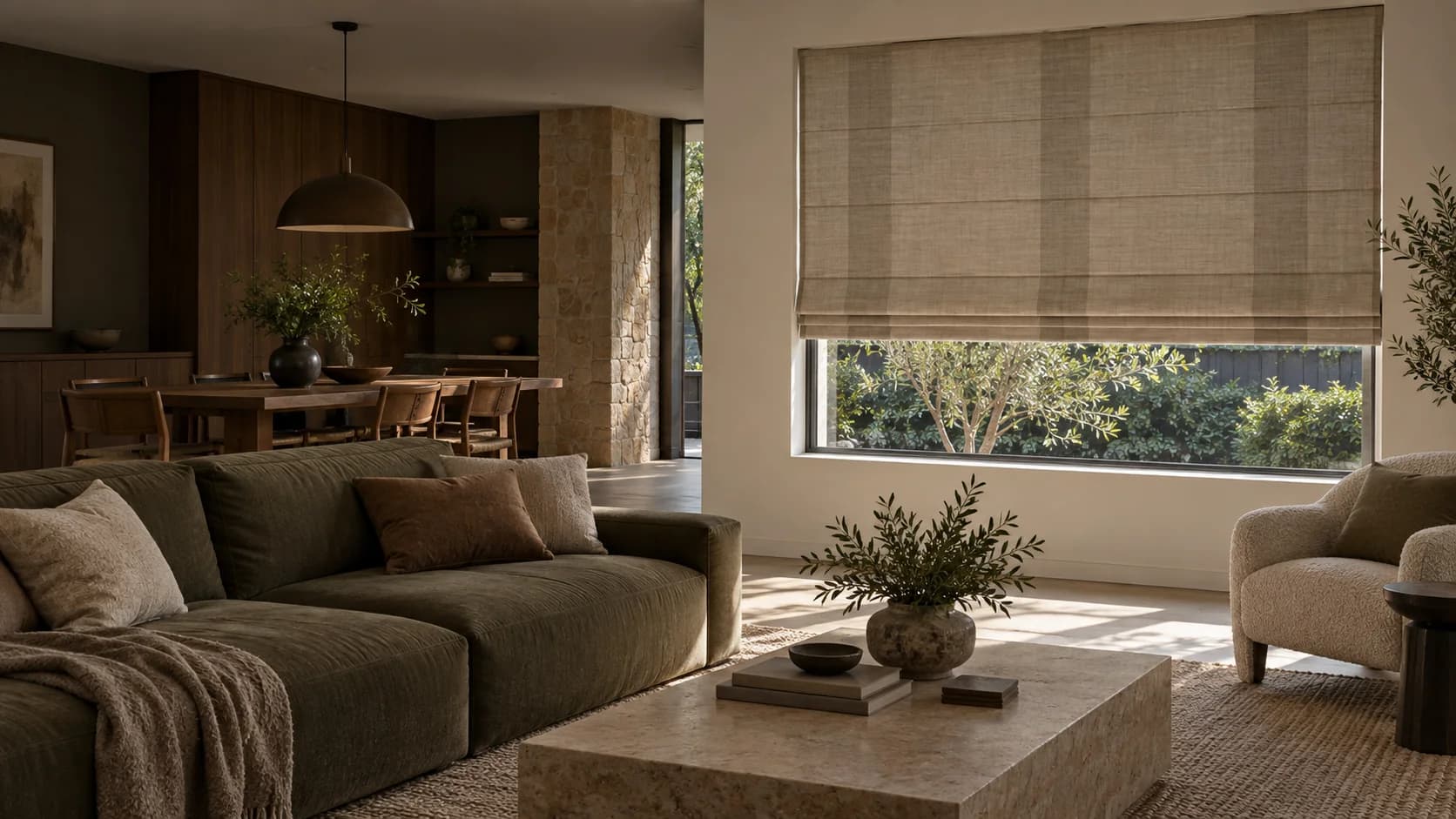
Roman Blinds by CCBD · Sydney
A Roman blind brings fabric to the window in measured folds. The fabric and lining need to work together so those folds form evenly and the blind raises reliably.
We check the pattern placement, raised stack and fitting position against your window before settling on the construction and operating system.
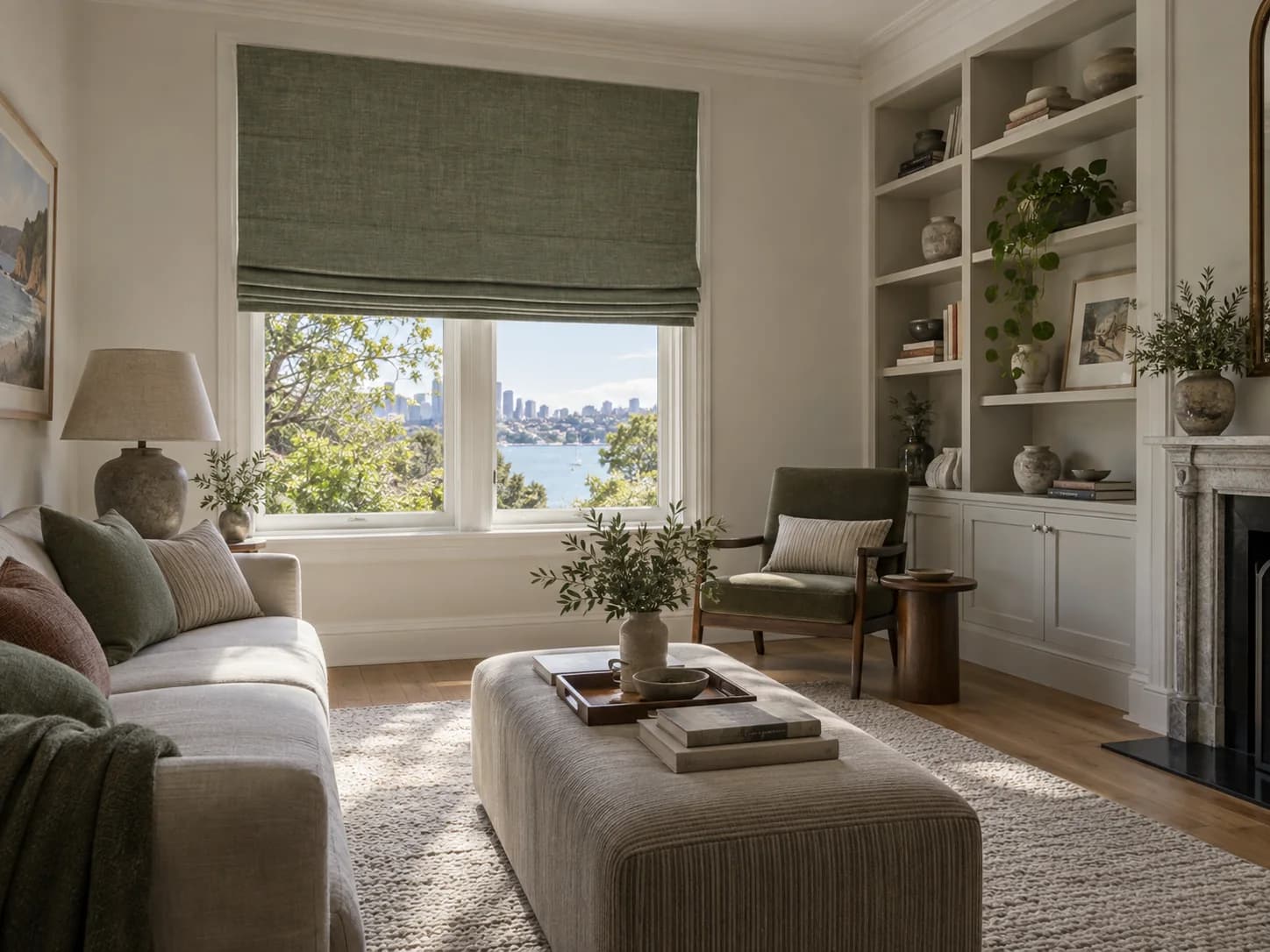
Why Roman Blinds
Roman blinds bring fabric into the room without the visual volume of a full curtain. They can sit quietly within the architecture or become a deliberate design feature through texture, colour, pattern and proportion.
They are particularly useful where wall space is limited, furniture sits close to the window, or the room calls for a more tailored treatment than a full curtain.
Roman Styles
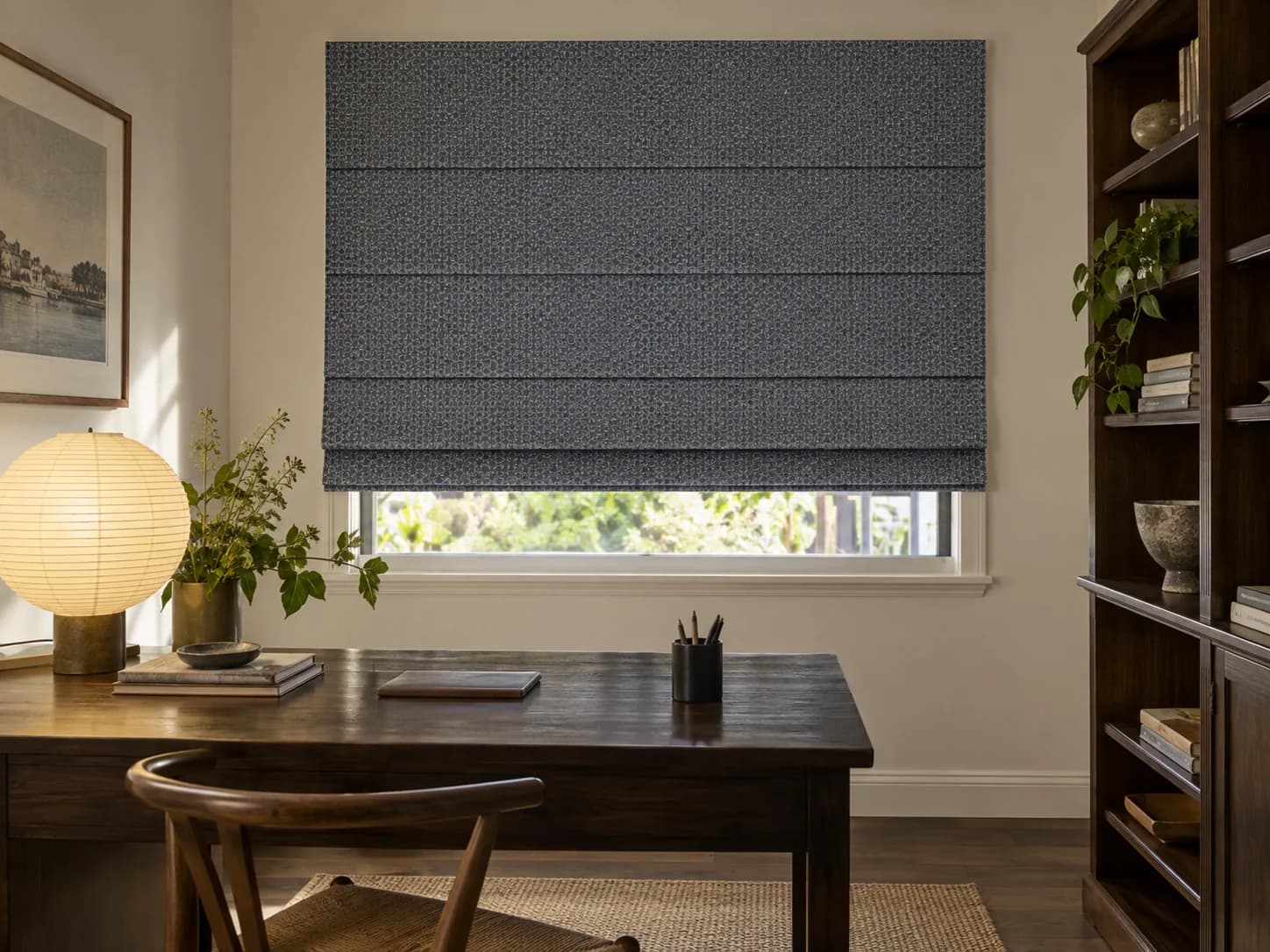
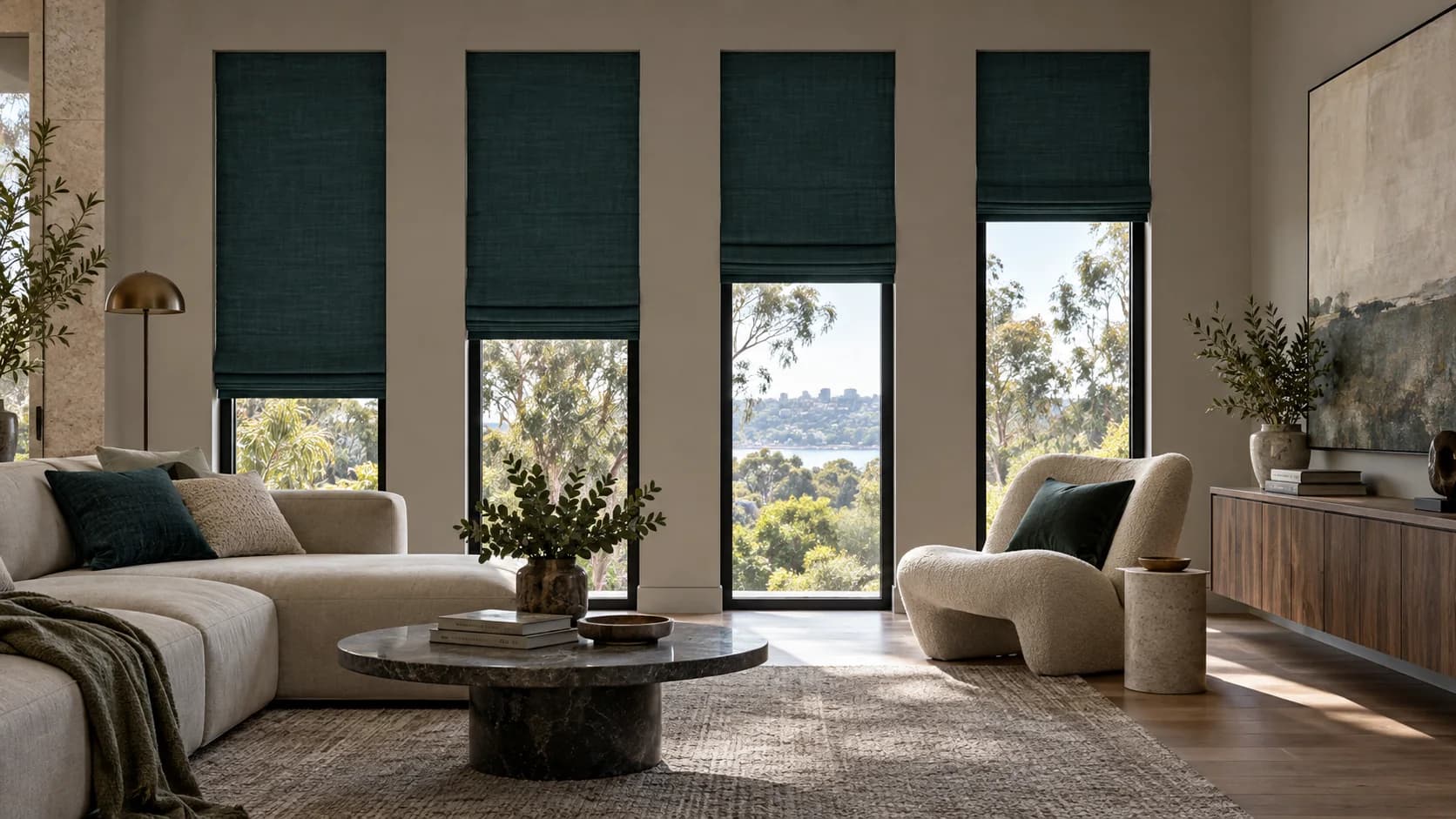
Clean, structured folds for a tailored architectural finish.
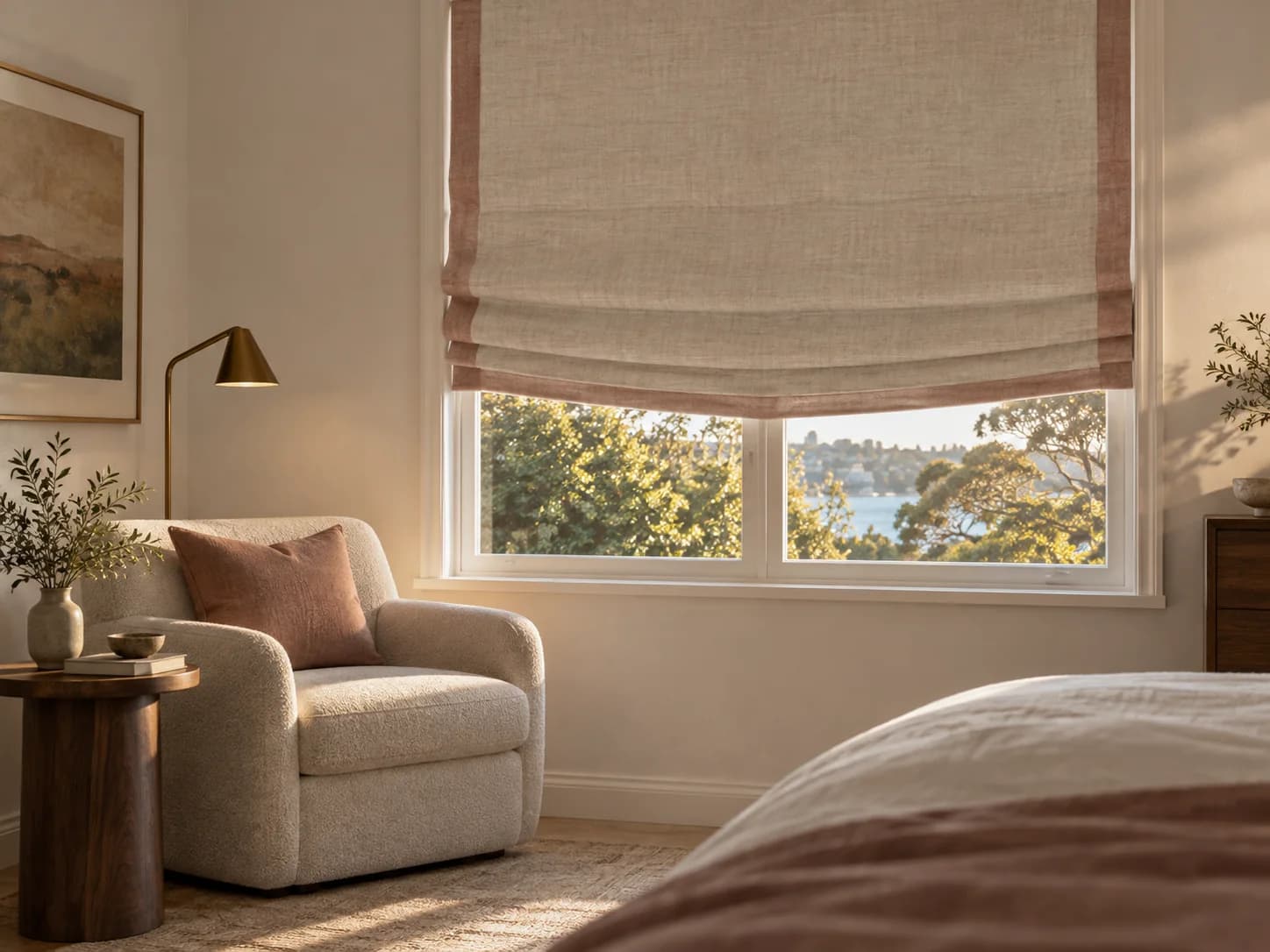
A gentler fall where the fabric and room call for something less formal.
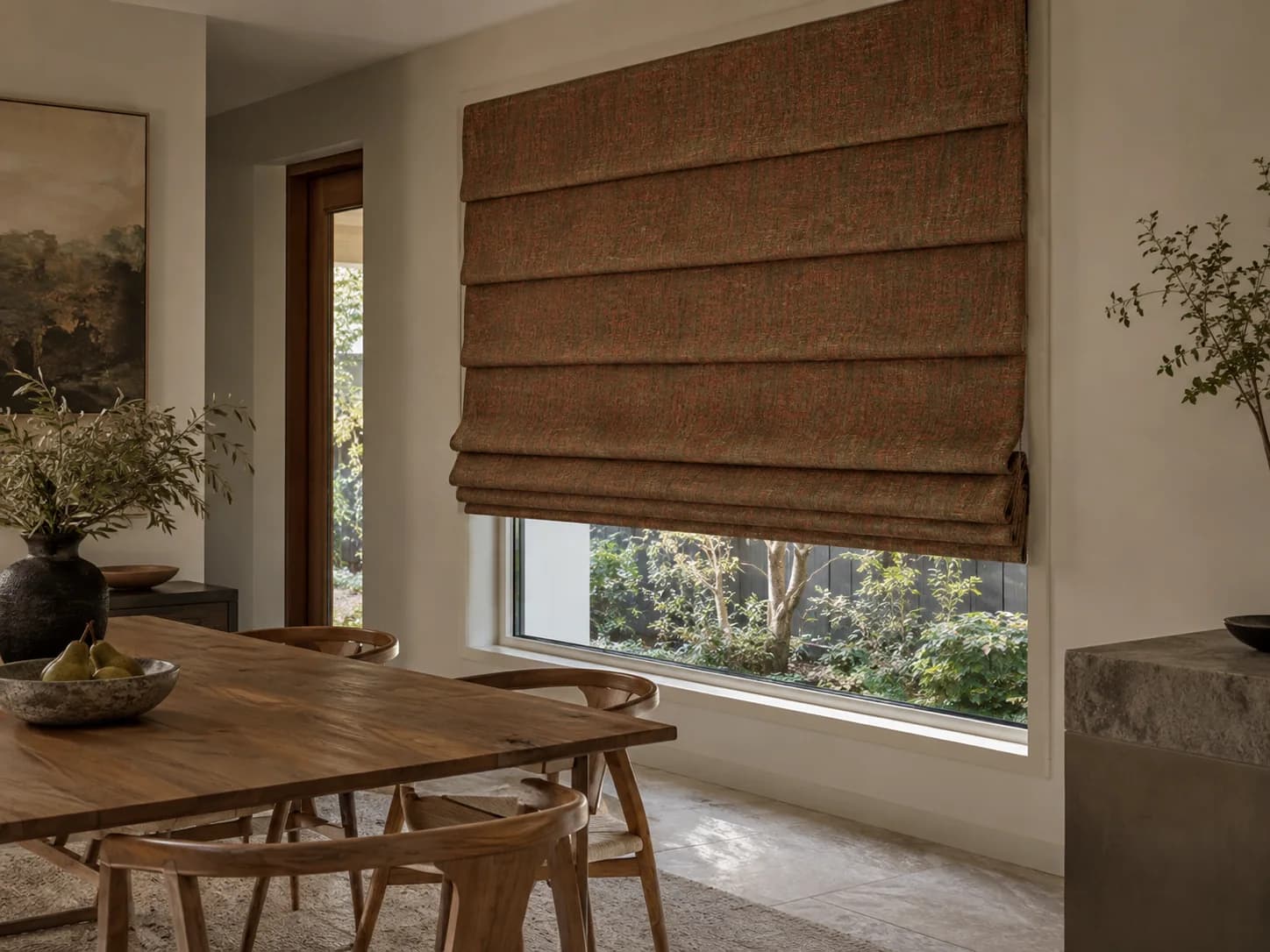
A more layered expression with visible fold depth across the face of the blind.
Operation option
An operation option for selected Roman constructions—not a fourth decorative style.
Why CCBD Romans
A Roman blind is designed before it is made.
How it folds matters as much as how it looks.
Fold depth is considered in relation to the window.
Pattern placement is planned across the finished blind.
Face fabric, lining and support structure need to move together.
The headrail is specified around the finished blind—not chosen in isolation.
The Roman is measured for the actual opening, not an idealised rectangle.
Sydney · Established 2003
Experience is useful because awkward conditions can be found before the blind is made—not discovered after installation.
Fabrics that look beautiful on a hanger but become unstable, bulky or poorly balanced as a moving blind.
Narrow reveals that leave too little depth for the headrail, handle clearance and raised stack.
Patterns whose centre line, repeat and seam position must be settled before the first cut.
Older timber openings that are visibly out of square even when the first measurement appears straightforward.
Large modern windows where finished weight, fixing and daily operation change the design entirely.
Fabric
Weight, weave, stability, texture and pattern all influence how a Roman blind folds and settles. A fabric that works beautifully as a curtain does not automatically make a good Roman blind.
CCBD considers the fabric together with the lining, finished dimensions and fold construction before recommending the specification.
Explore Roman Blind Fabrics →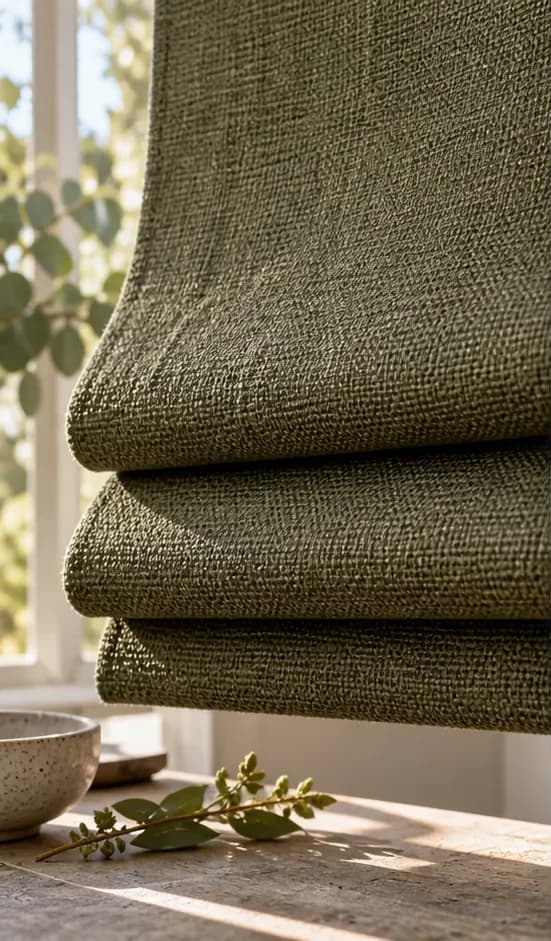
Linen Roman Blinds for Sydney Homes
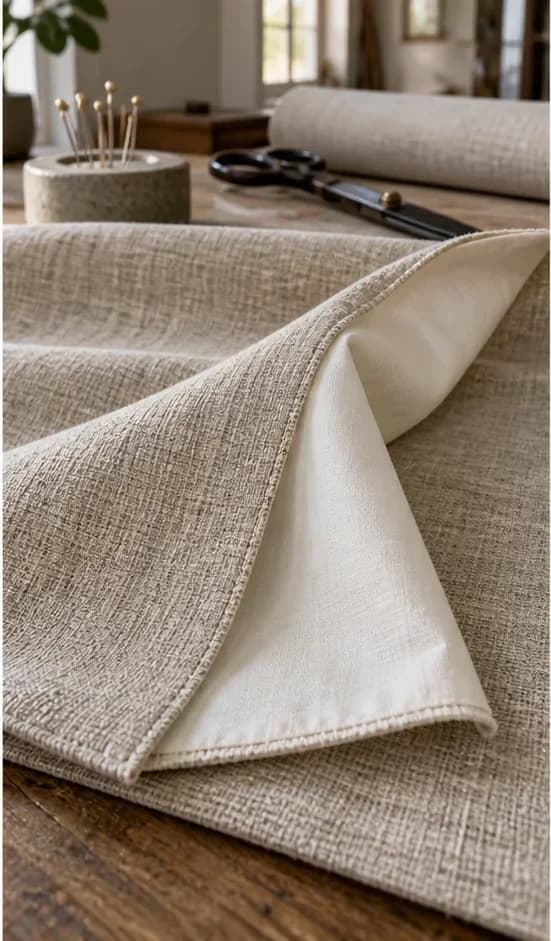
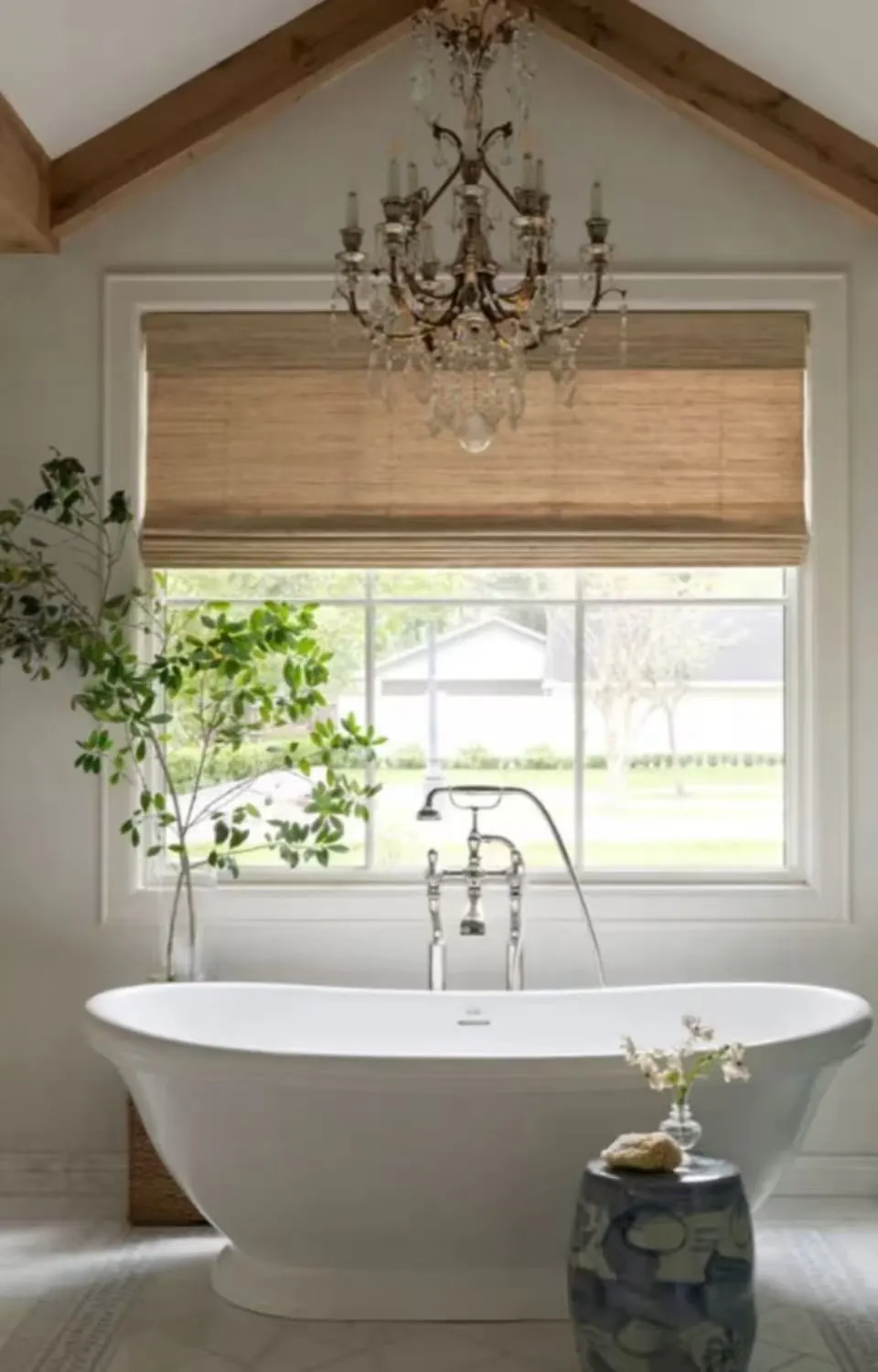
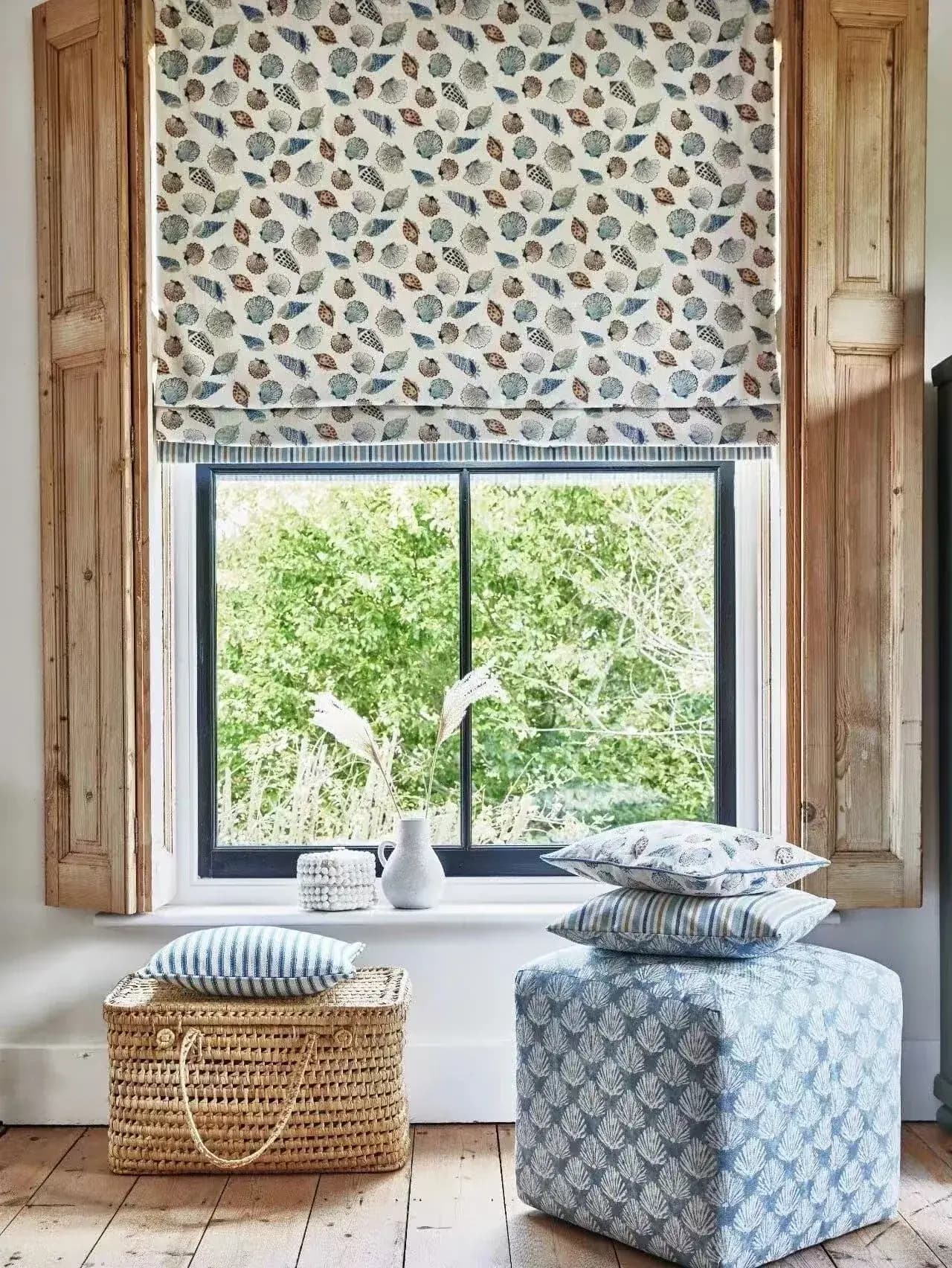
Linen has the natural texture and relaxed character that can suit a Roman blind particularly well. But not every linen behaves the same way. Weight, weave, stability and the way the cloth settles into each fold all influence the finished result.
CCBD designs custom linen Roman blinds for Sydney homes with the complete treatment in mind—fabric, lining, window proportions, fold construction and operation considered together.
Explore Linen Roman Blinds →More controlled and consistent where a cleaner tailored finish is preferred.
Natural texture, movement and subtle irregularity belong to the material’s character.
For rooms where the Roman is intended to contribute more visibly to the interior.
Professional detail
A linen that looks beautiful on a sample hanger may behave quite differently across a finished Roman. We consider how the cloth folds, whether it holds its shape, how the weave responds to daylight and how it behaves with the selected lining before deciding whether it is right for the window.
Linen texture works naturally with timber, stone and quieter coastal palettes.
A stable linen blend can give an architectural room a cleaner, controlled fold.
Texture and subtle colour give the Roman presence without overwhelming the room.
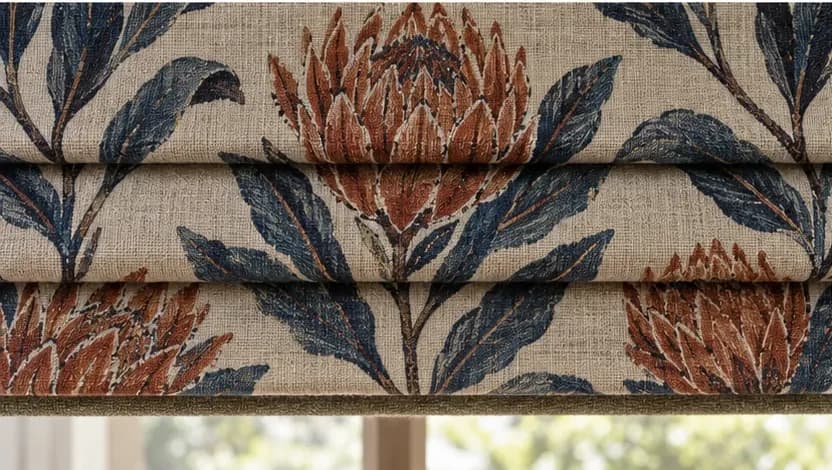
Pattern can take a decorative role when repeat, placement and fold position are planned before cutting.
Proportion
Width and drop are only the starting point. Fold depth, stack height, recess depth, mullions, surrounding architecture and the scale of the fabric all influence how the finished Roman sits on the window.
We design the fold to belong to the window — not simply to the mechanism.Explore Proportion & Fitting →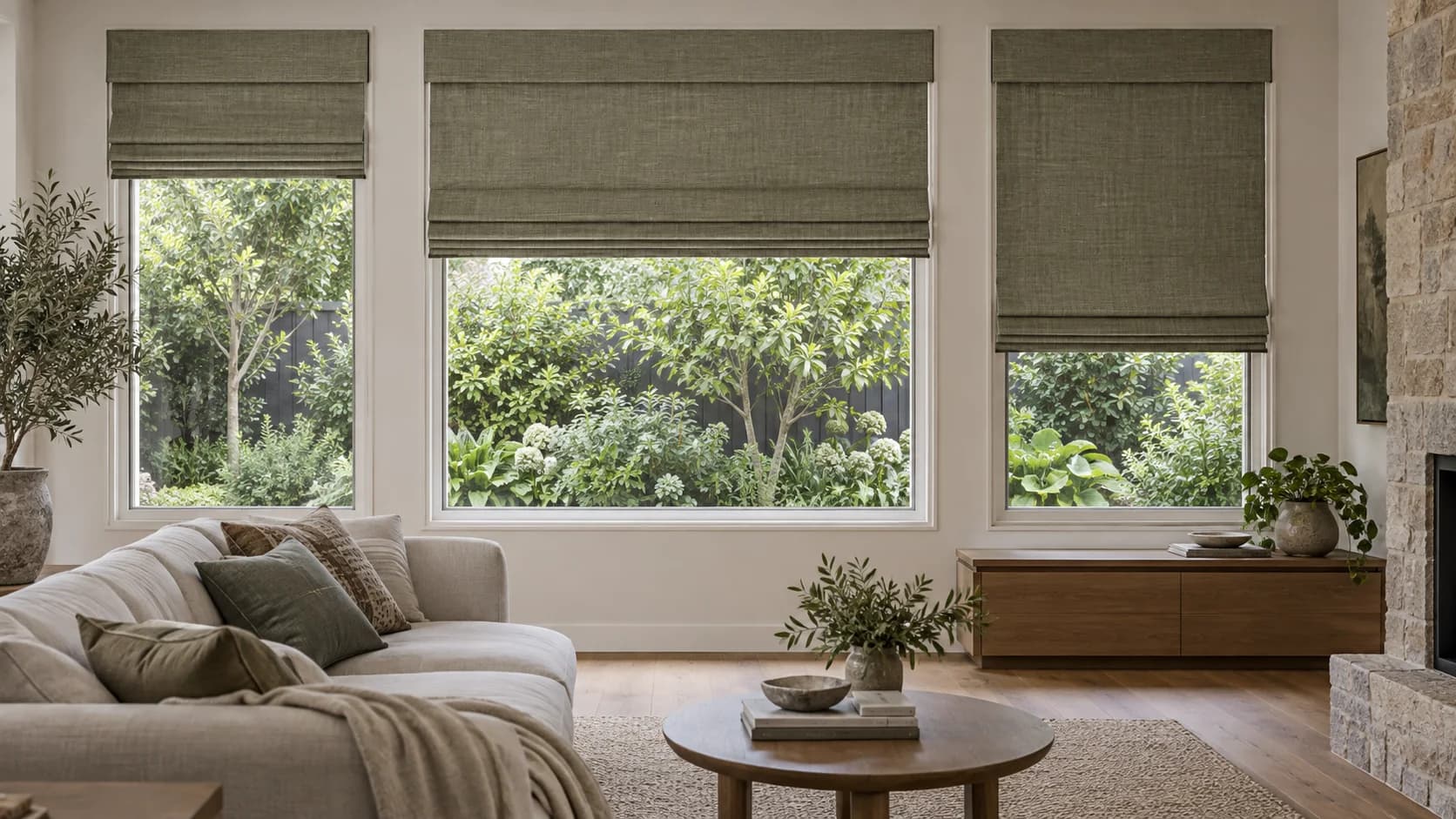
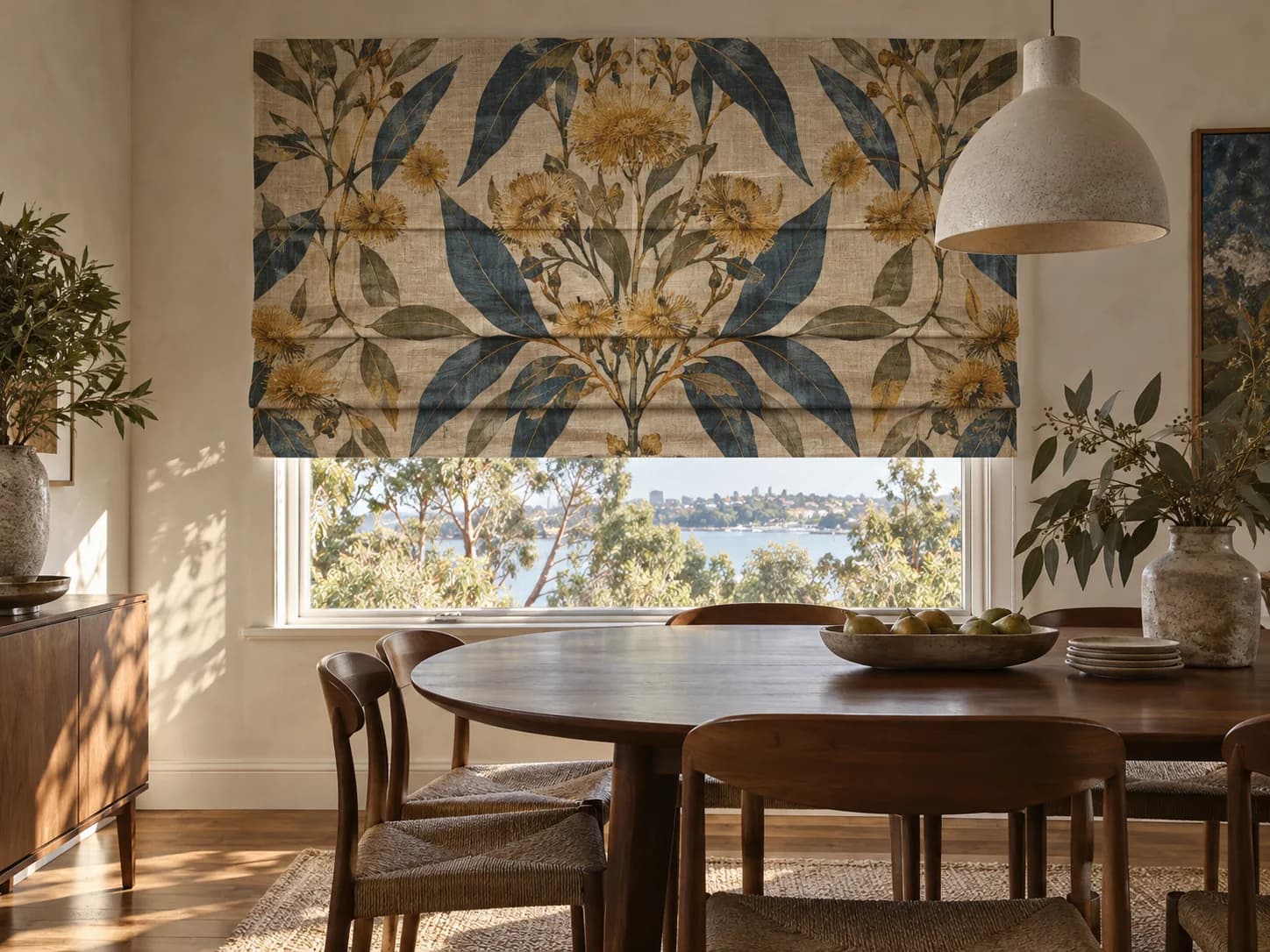
Pattern & Placement
On patterned fabrics, the centre line, repeat and the position of the folds can materially change the finished appearance. This becomes even more important where several Roman blinds sit within the same room.
These decisions should be resolved before cutting, not corrected afterwards.
Light & Privacy
A Roman blind can be lined for privacy, stronger light control and room darkening. The finished result, however, depends on more than the fabric alone — fitting position, side gaps and the way light travels around the blind also matter.
Explore Blockout Roman Advice →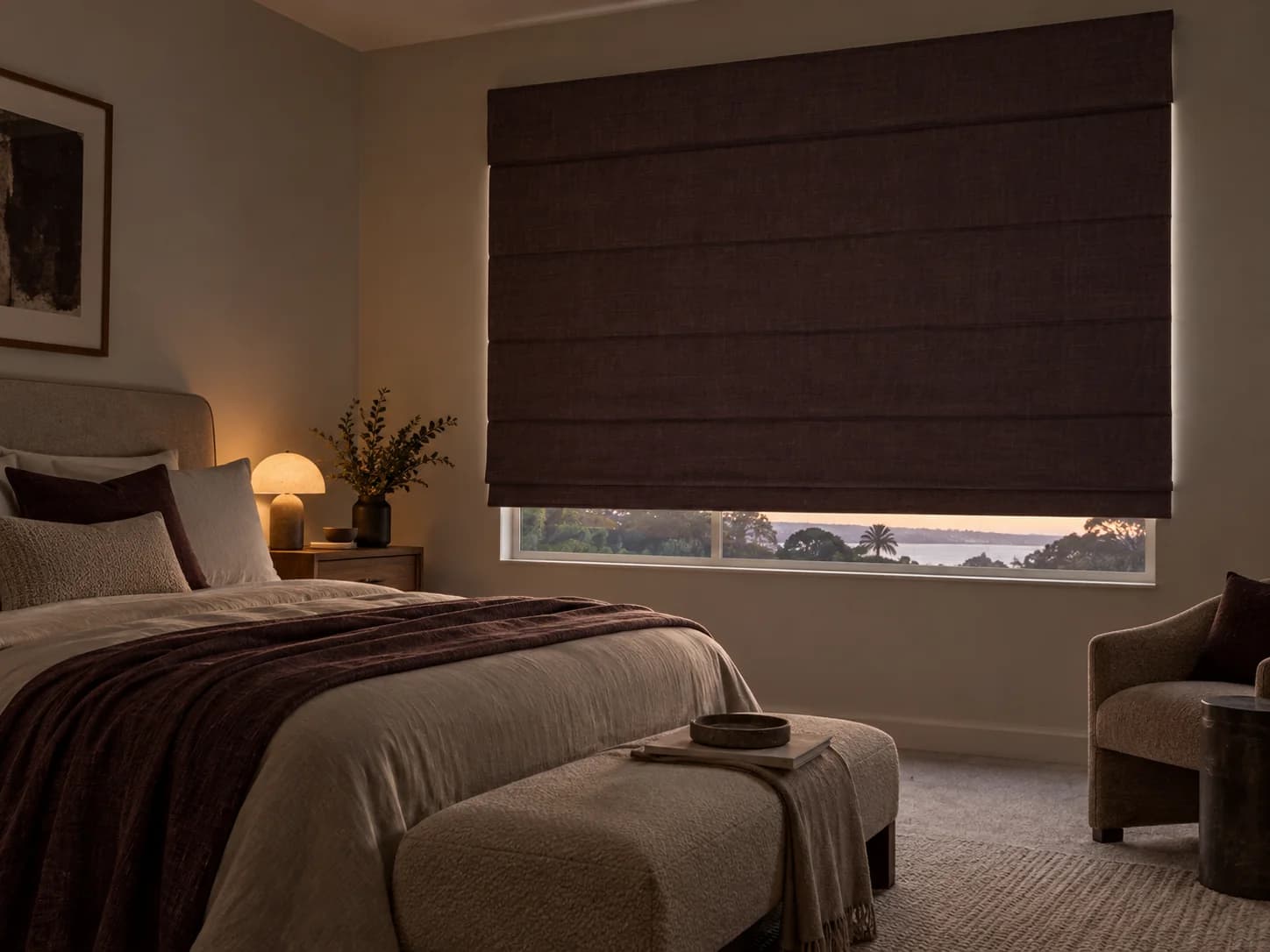
Motorised Romans
Motorisation can be useful for large, high or frequently operated Roman blinds. The headrail, blind weight, power provision and control method should be considered as part of the design rather than added after the blind has been specified.
Explore Motorised Roman Blinds →Professional Judgement
Very wide openings, frequently used sliding doors, limited stacking space or some high-use situations may be better resolved with curtains, roller blinds or another treatment.
Our role is not to put a Roman blind on every window. It is to decide where one genuinely works best.Sydney windows
These are design prompts, not rules. The same Roman style can behave very differently when the reveal, daylight, furniture and scale of glazing change.
Respect architraves, bay geometry and decorative detail; use pattern and a Classic fold where they genuinely strengthen the room.
Review strong daylight, privacy and natural-fibre movement before selecting a softer, textile-led treatment.
Larger glazing can suit clean Classic Romans or motorisation, provided stack, load and alignment are resolved first.
Limited projection, nearby furniture, privacy and access often matter more than the style name.
Classic, Relaxed or Waterfall folds can work with layered textiles when the room has enough scale for their depth.
Made to specification
A well-made Roman is the result of several small decisions being right. The making brief records the fabric direction, pattern position, lining, fold spacing, finished size and operating system before the blind is assembled. Established production steps keep the work moving without treating a custom blind as a rushed product.
The usable width, weave direction, pattern repeat and visible variation are checked before cutting. Pattern centring and any seams belong to the cutting plan, not the final adjustment.
Face fabric, lining, supports, lift points and bottom weight have to move as one assembly. The lowered face, part-raised folds and full stack are checked rather than judging the blind in one position.
Mounting height, level, projection, control position and final adjustment determine how the blind sits against the real architecture. Sydney openings rarely behave like an ideal showroom rectangle.
Understanding value
A Roman is priced as a completed window treatment. Sensible value comes from choosing the right level of fabric, lining, construction and operation for the room—not from removing the details that make the blind work.
Fabric price is only one part of the decision. Usable width, repeat, centring and any joins affect both material quantity and cutting time.
A lining may be selected for privacy, body or room darkening. It also changes the weight and thickness that must return through every fold.
Blind width, drop, fold arrangement and finished stack determine the making method and the demands placed on the lifting system.
Manual and motorised systems carry different loads and need different access, controls and servicing. The system is selected after the blind is resolved.
The quote should state measurement and installation inclusions, particularly where access, fixing or surrounding joinery changes the work on site.
Roman Blind Advice
Roman blinds look simple, but fabric, proportion, lining, fitting and operation can change the finished result substantially. Start with the question that matters to your window.
Your Next Step
Share photographs, plans or approximate dimensions and tell us how you want the room to work. We’ll help consider the fabric, light, privacy, proportion and operation before recommending the Roman blind that suits the window.
Arrange an in-home measure and quote.
Talk with us about fabrics, styles, light, privacy and planning your window furnishings.