What a useful project story should show.
The finished room is only part of the story. A meaningful case study explains the original problem, the physical constraints and the reason for each fabric and hardware choice. It shows an open treatment as well as a closed one, and includes details that reveal scale and installation.
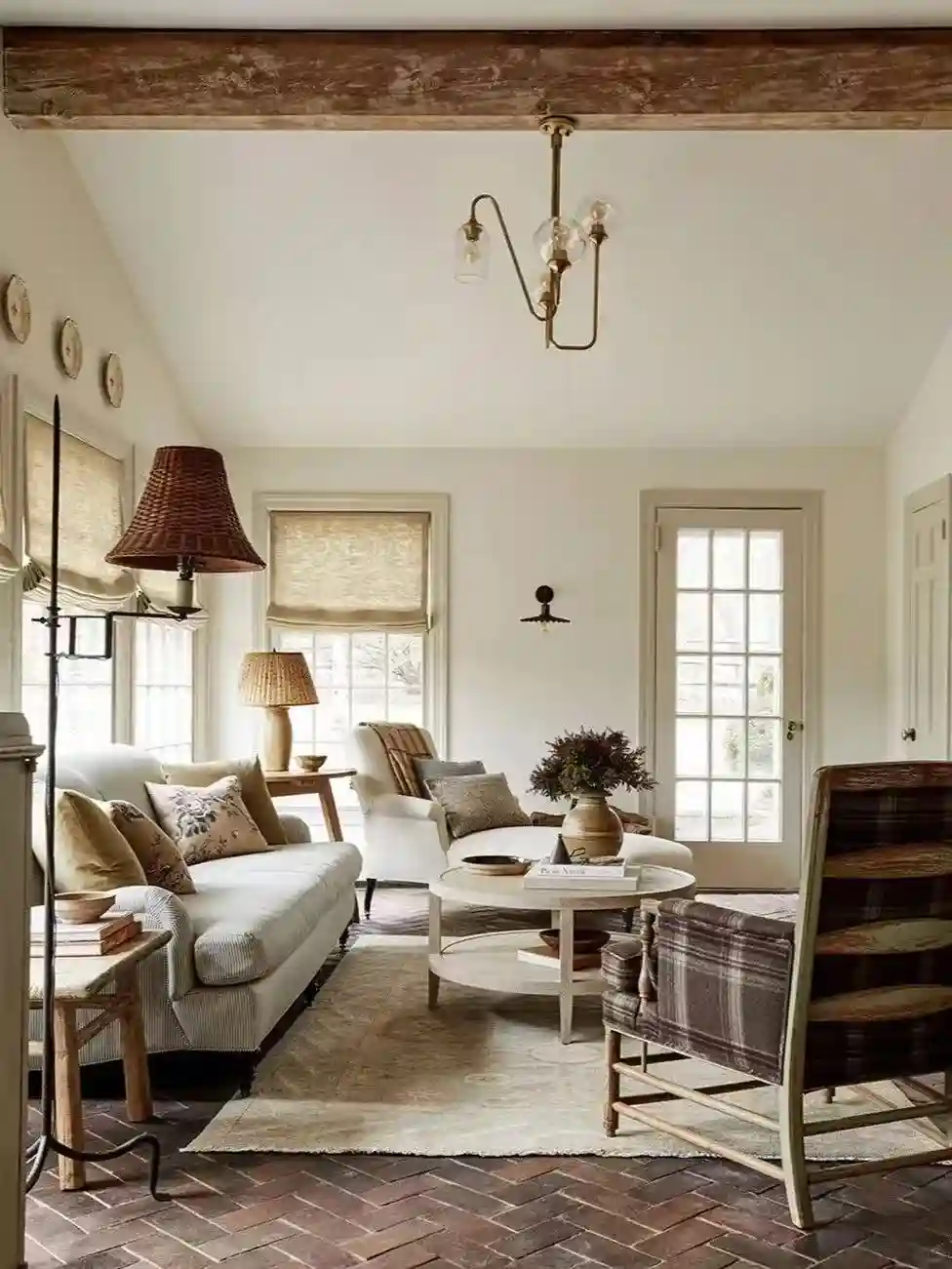
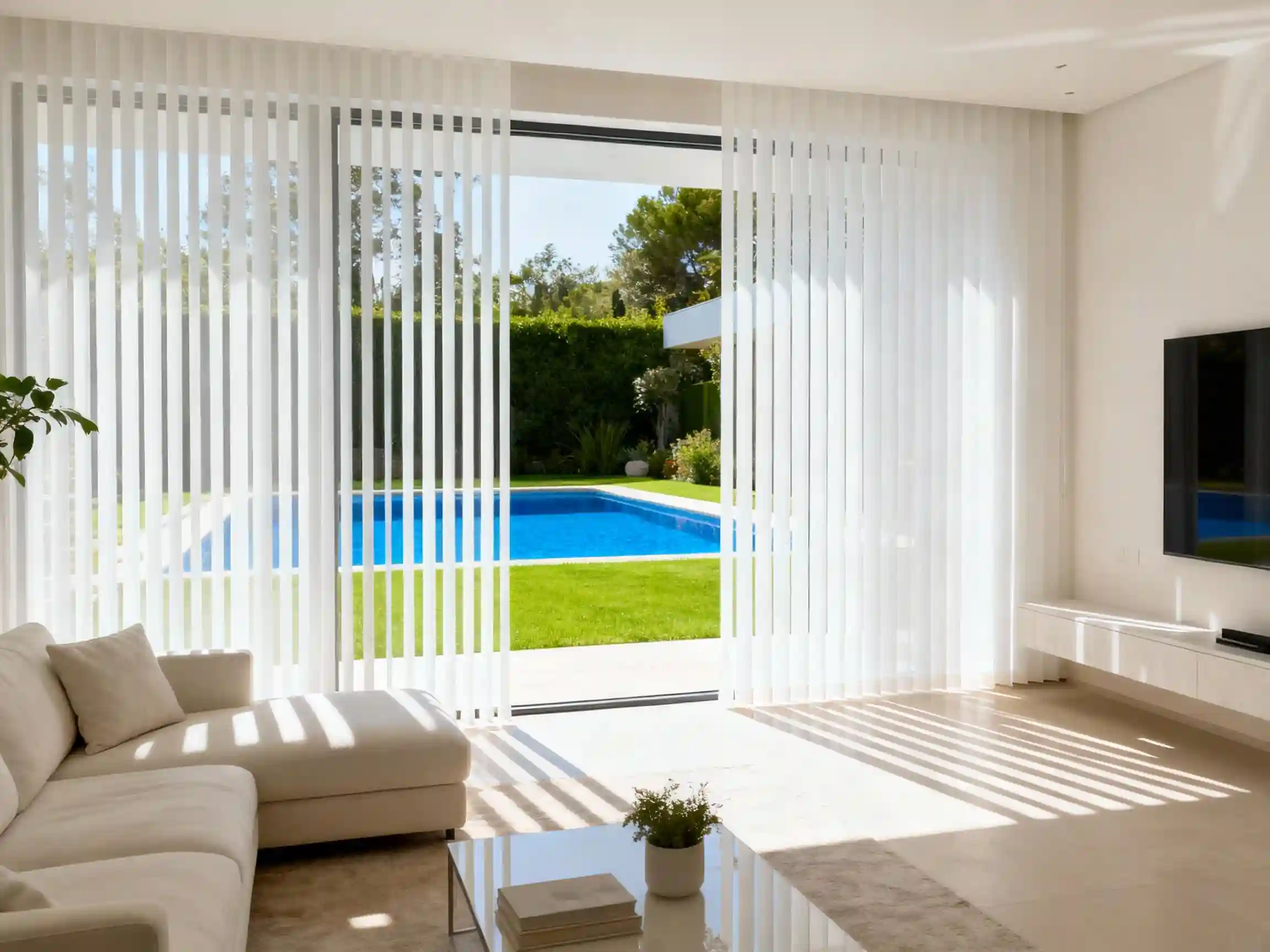
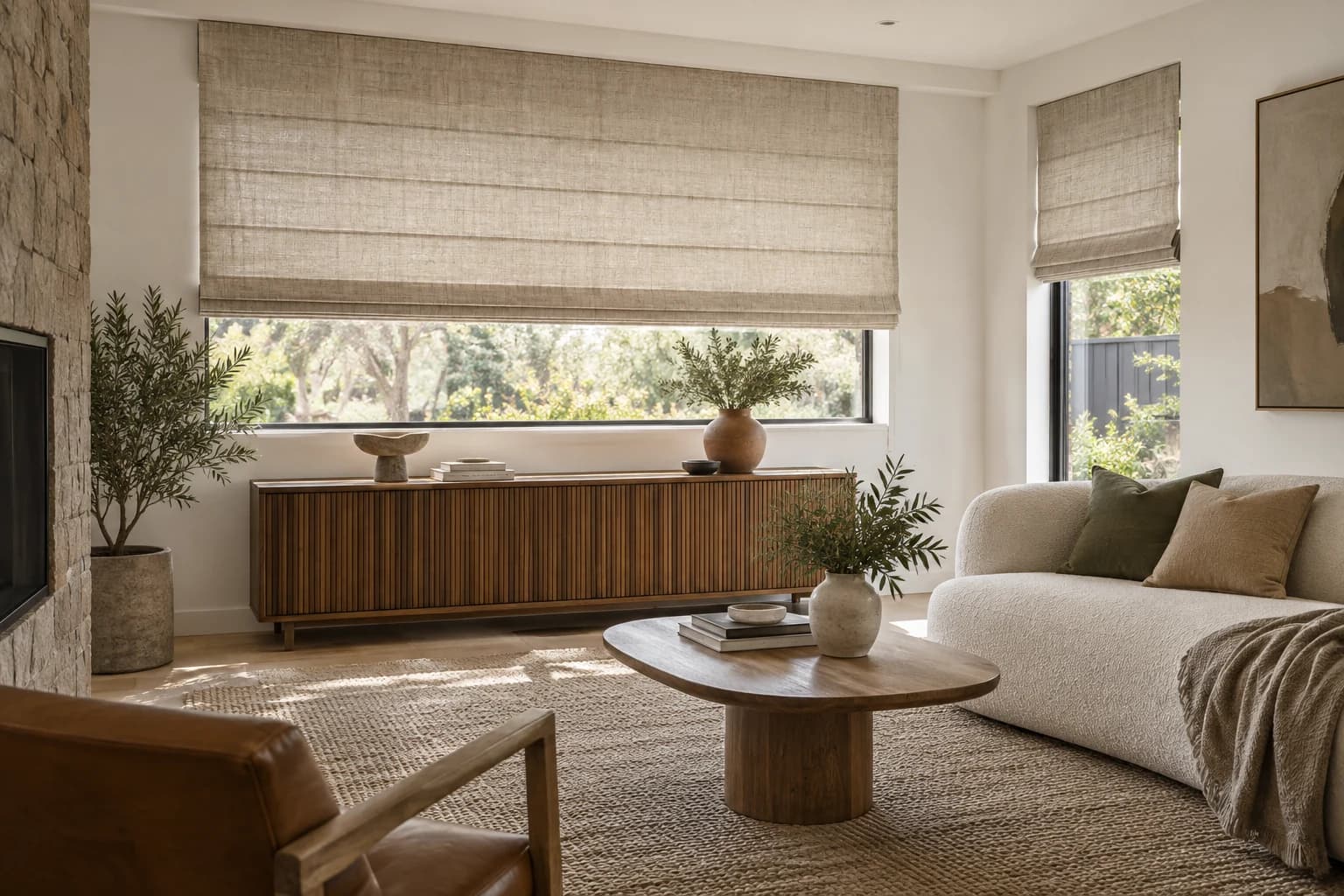
For future CCBD project features, approved photography will be paired with the confirmed product, fabric, lining and control schedule. We do not attach invented clients, suburbs, results or testimonials to reference images.
The most useful record also explains the decisions that are easy to miss in a finished photograph: heading and fullness, track position, curtain returns, Roman fold depth, raised stack, pattern placement, floor clearance and the way controls are reached. Where motorisation or acoustic performance is part of the brief, the relevant hardware, commissioning notes and verified technical evidence should be identified rather than implied.
Build your own project brief.
| Bring | Why it helps |
|---|---|
| A room view and close-up of each window | Shows furnishings, cornices, handles and installation constraints. |
| Daylight and evening photographs | Reveals the difference between glare and night-time privacy. |
| Plans or a window schedule | Keeps discussions about multiple openings organised. |
| A few reference images with notes | Identifies the qualities you want without assuming the exact treatment will fit. |
- Bring
- A room view and close-up of each window
- Why it helps
- Shows furnishings, cornices, handles and installation constraints.
- Bring
- Daylight and evening photographs
- Why it helps
- Reveals the difference between glare and night-time privacy.
- Bring
- Plans or a window schedule
- Why it helps
- Keeps discussions about multiple openings organised.
- Bring
- A few reference images with notes
- Why it helps
- Identifies the qualities you want without assuming the exact treatment will fit.