Fabric & Lining
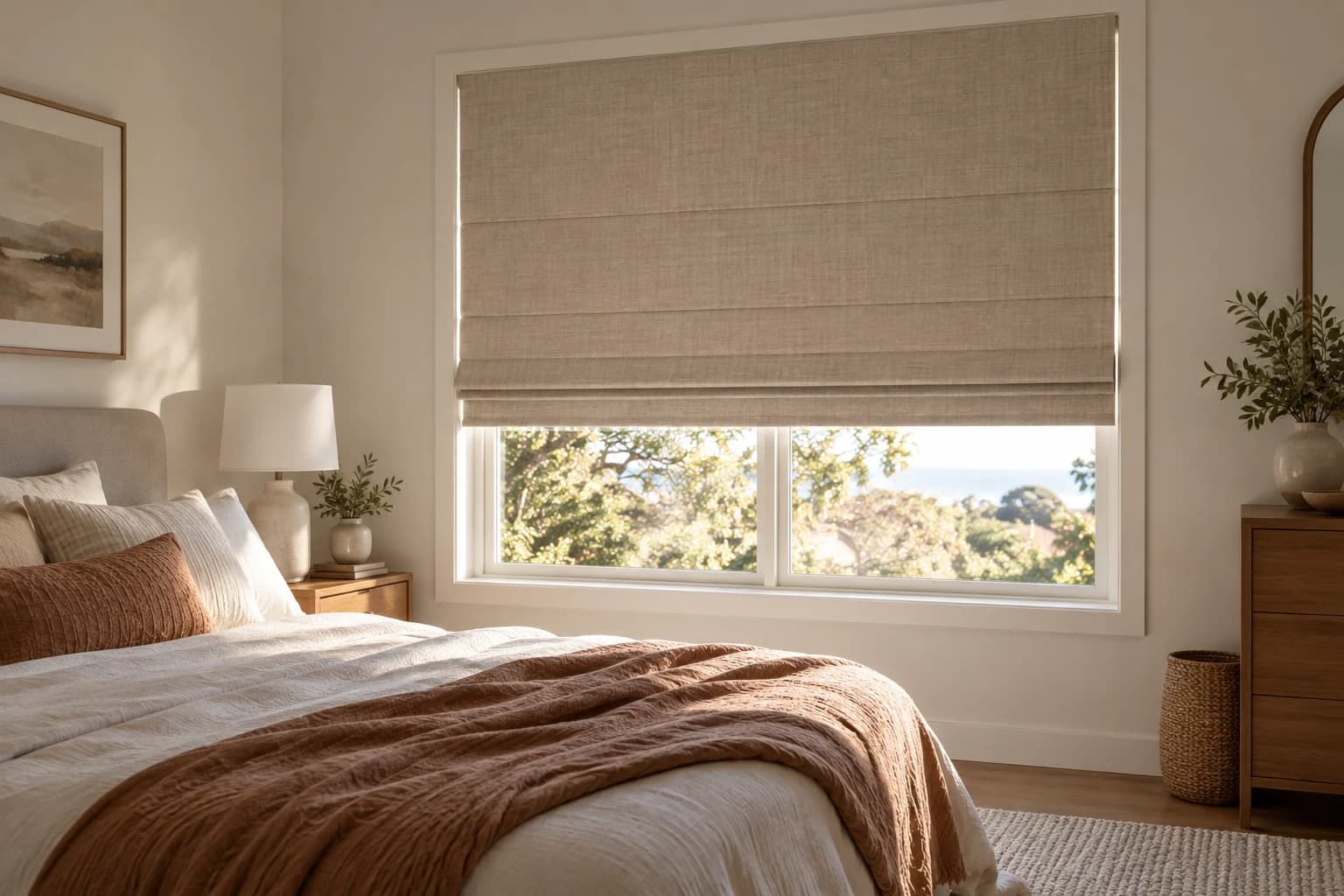
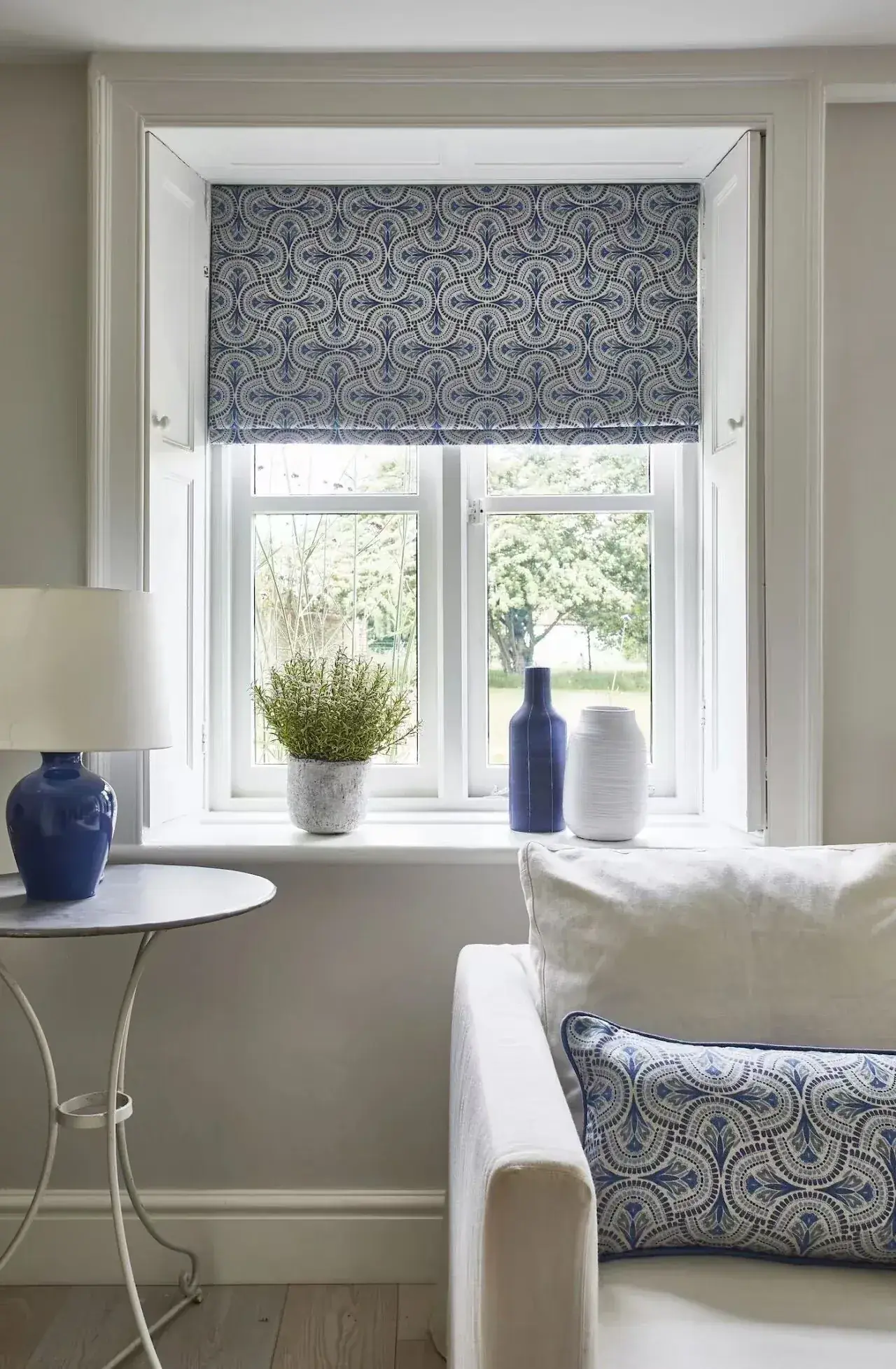
How the fabric falls, filters light and works with its lining affects both appearance and performance.
Curtains by CCBD
Fabric, lining and heading affect how a curtain falls and filters light. We consider them alongside the track position and window proportions before making the curtain.
CCBD has been designing, specifying and installing custom curtains for Sydney homes since 2003.
Curtains in the room
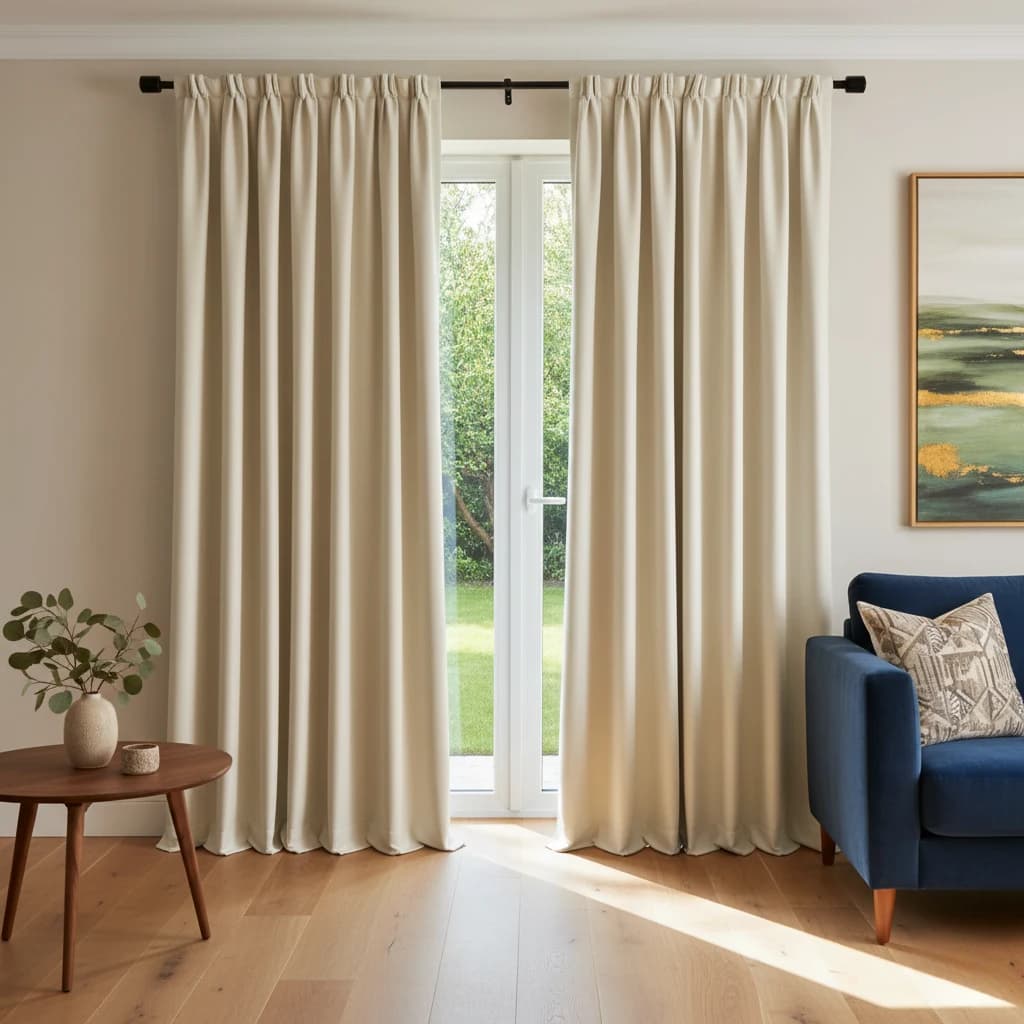
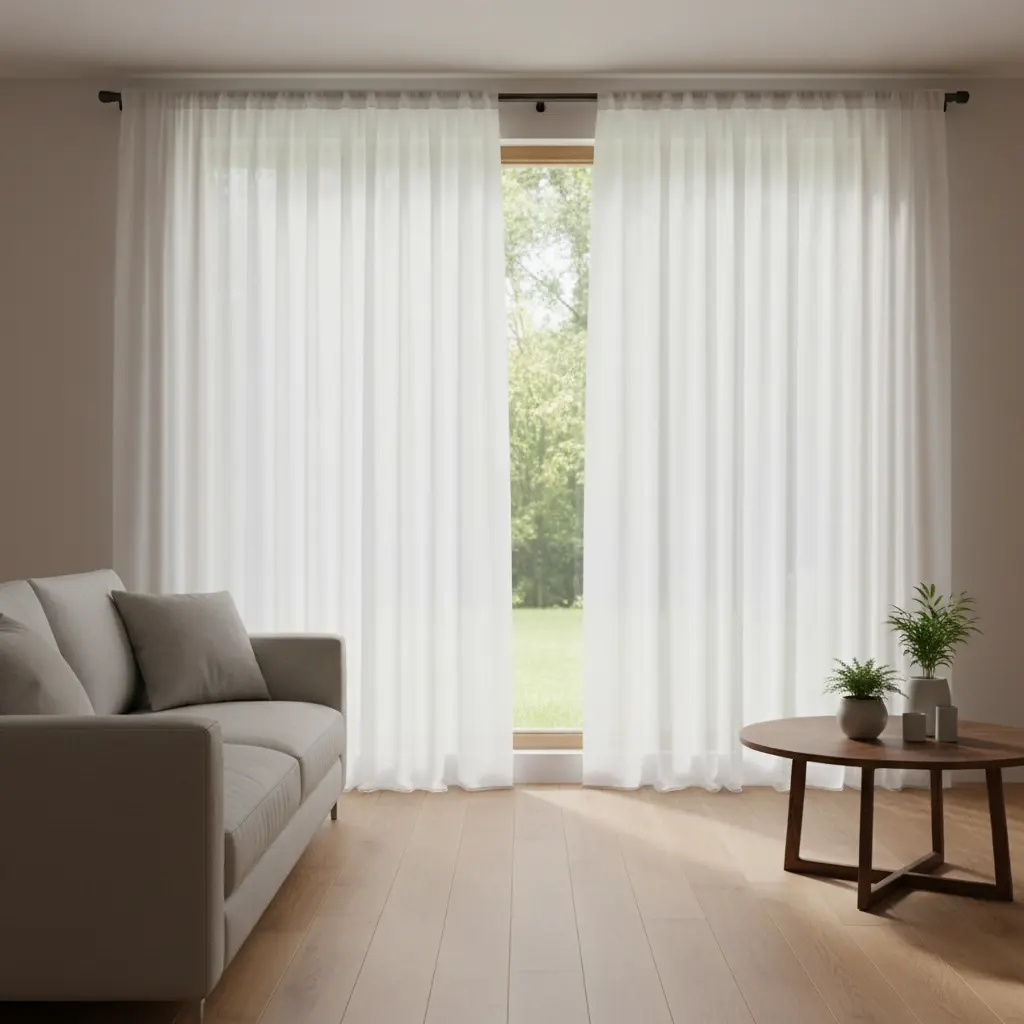
Light, privacy, architecture and the way a room is used should be understood before the curtain is specified. A sheer may soften daylight beautifully in one room, while another needs lining, stronger solar protection or layered treatments.

What makes a curtain work
How the fabric falls, filters light and works with its lining affects both appearance and performance.
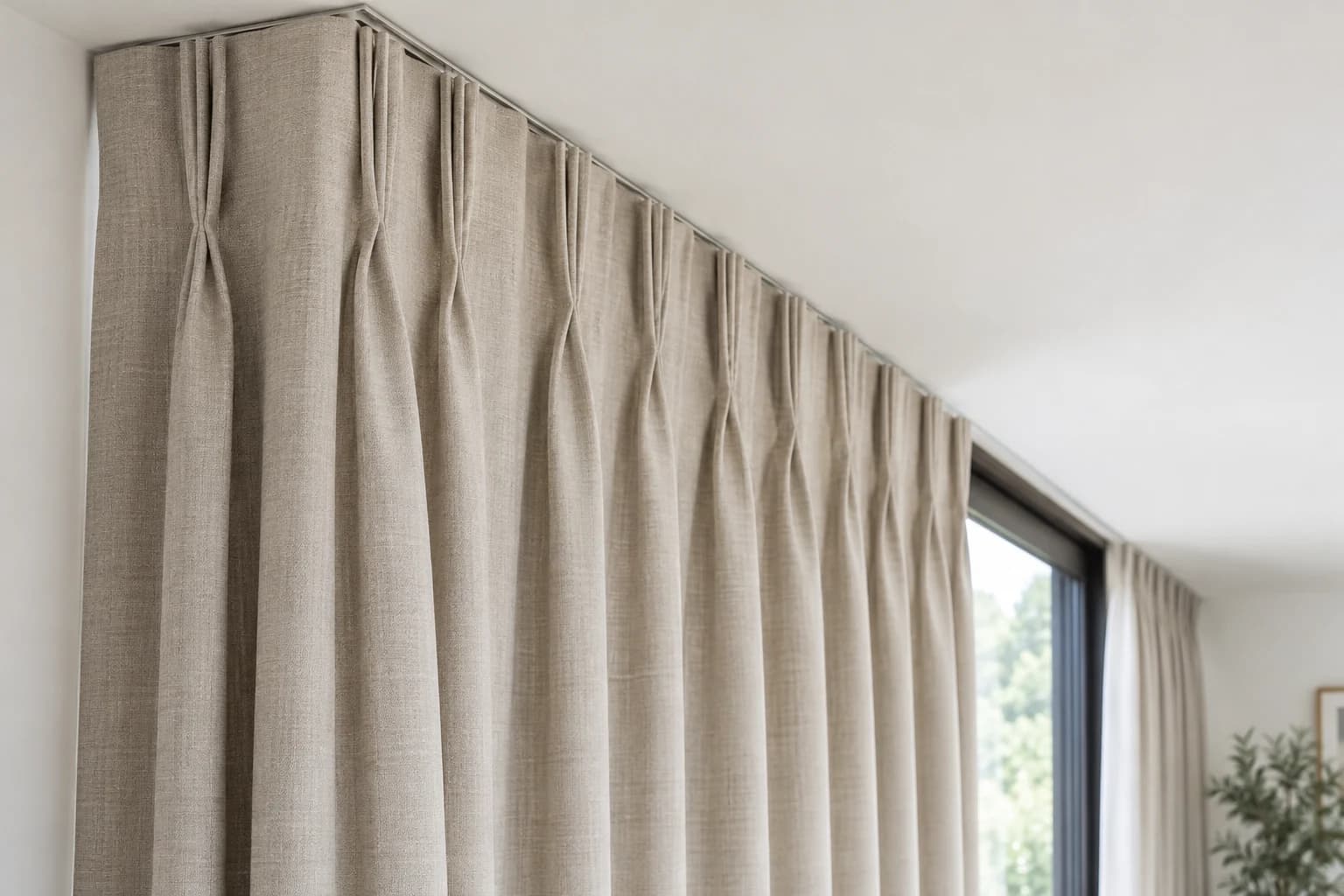
The heading determines how the curtain forms; fullness determines whether the finished treatment feels generous or under-resolved.
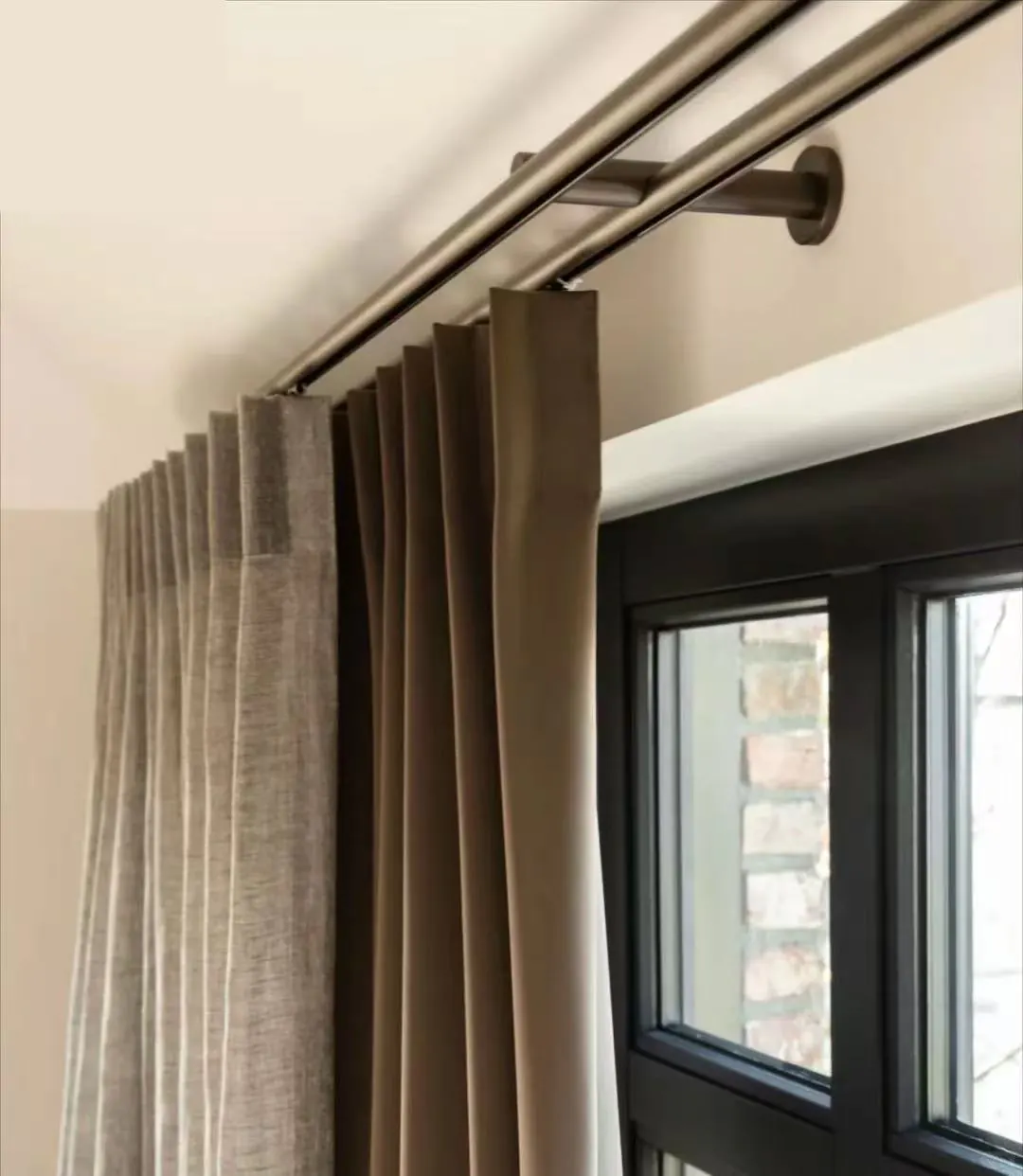
Track position and stack-back influence the architecture of the window and how much of the view remains open.
Length, returns, overlap and floor clearance are resolved for the individual window and room.
Curtain options
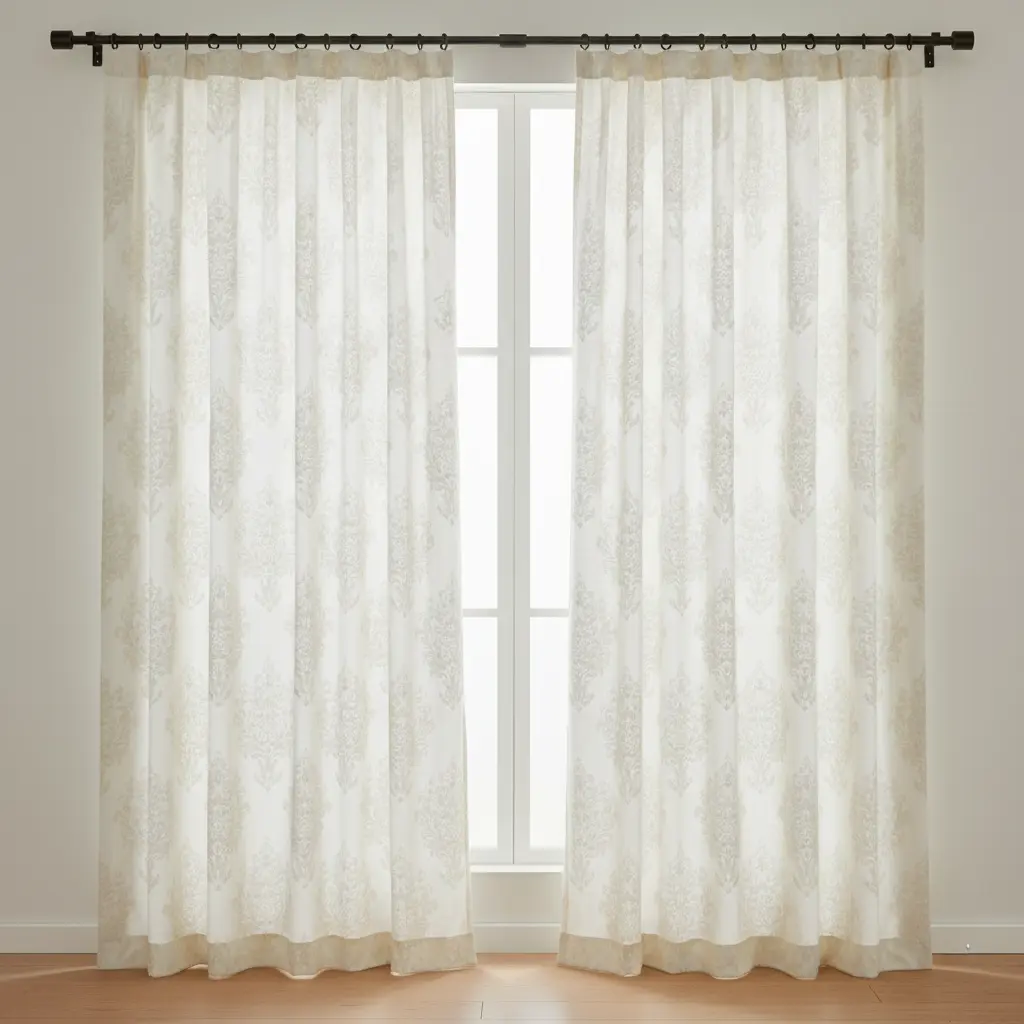
Soft daylight and privacy without closing the room away.
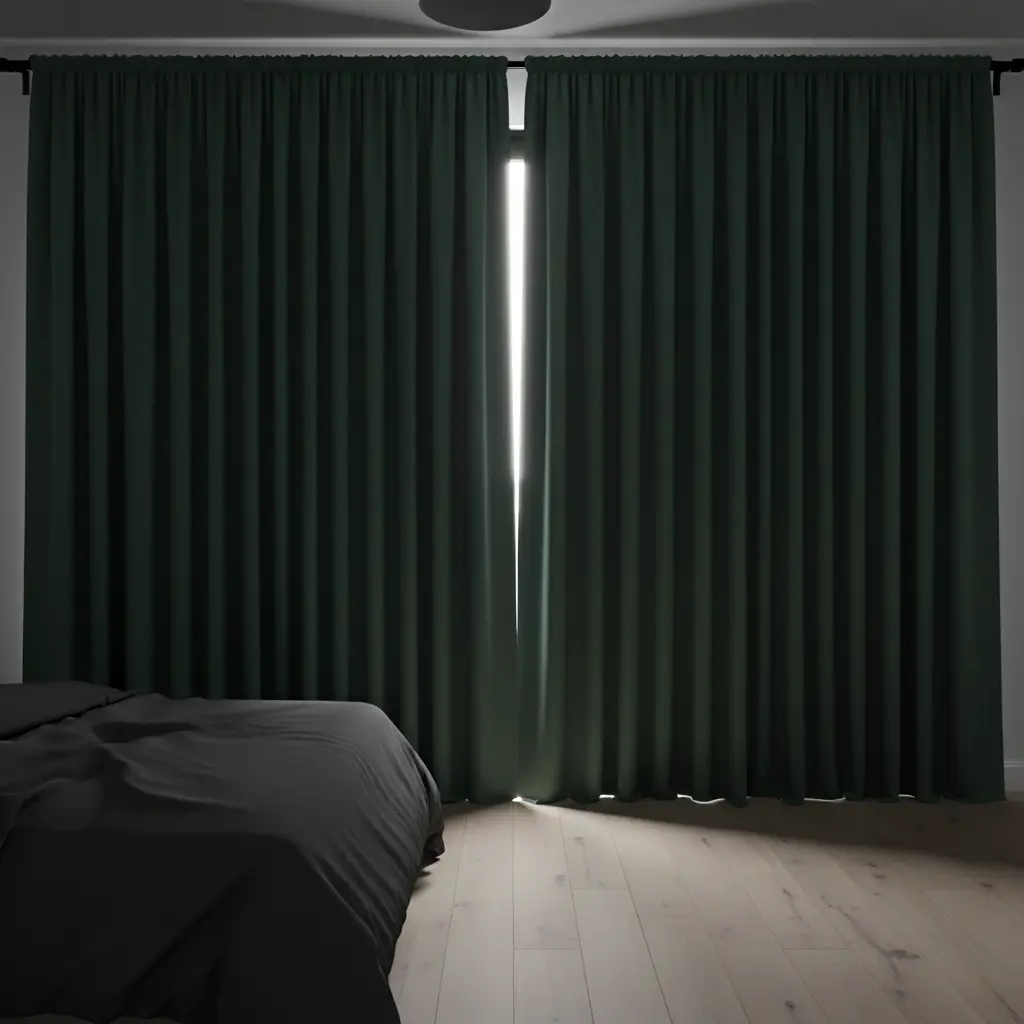
Greater light control, privacy and a more substantial layered treatment.
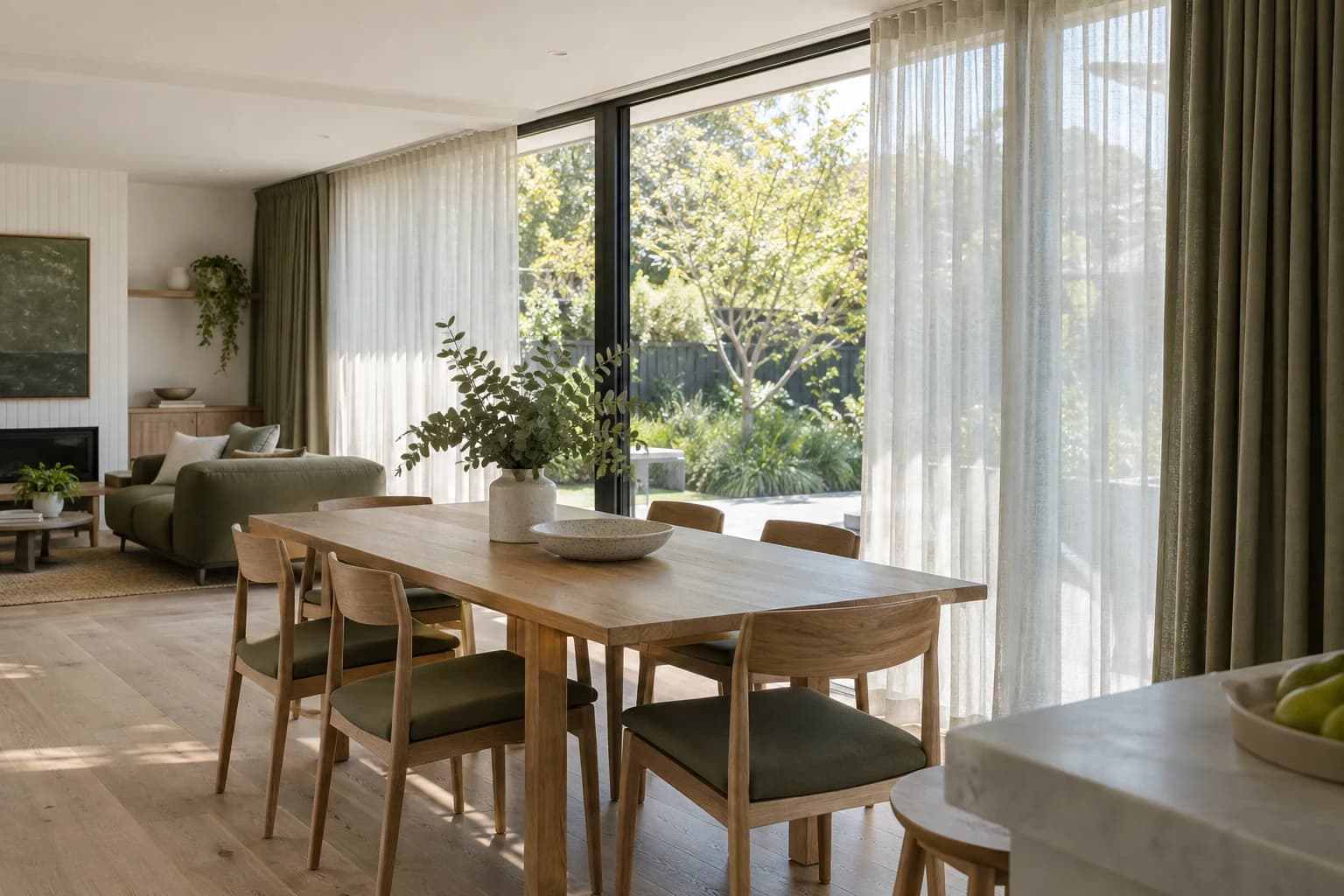
Sheer and lined curtains combined for flexible light, privacy and finish.
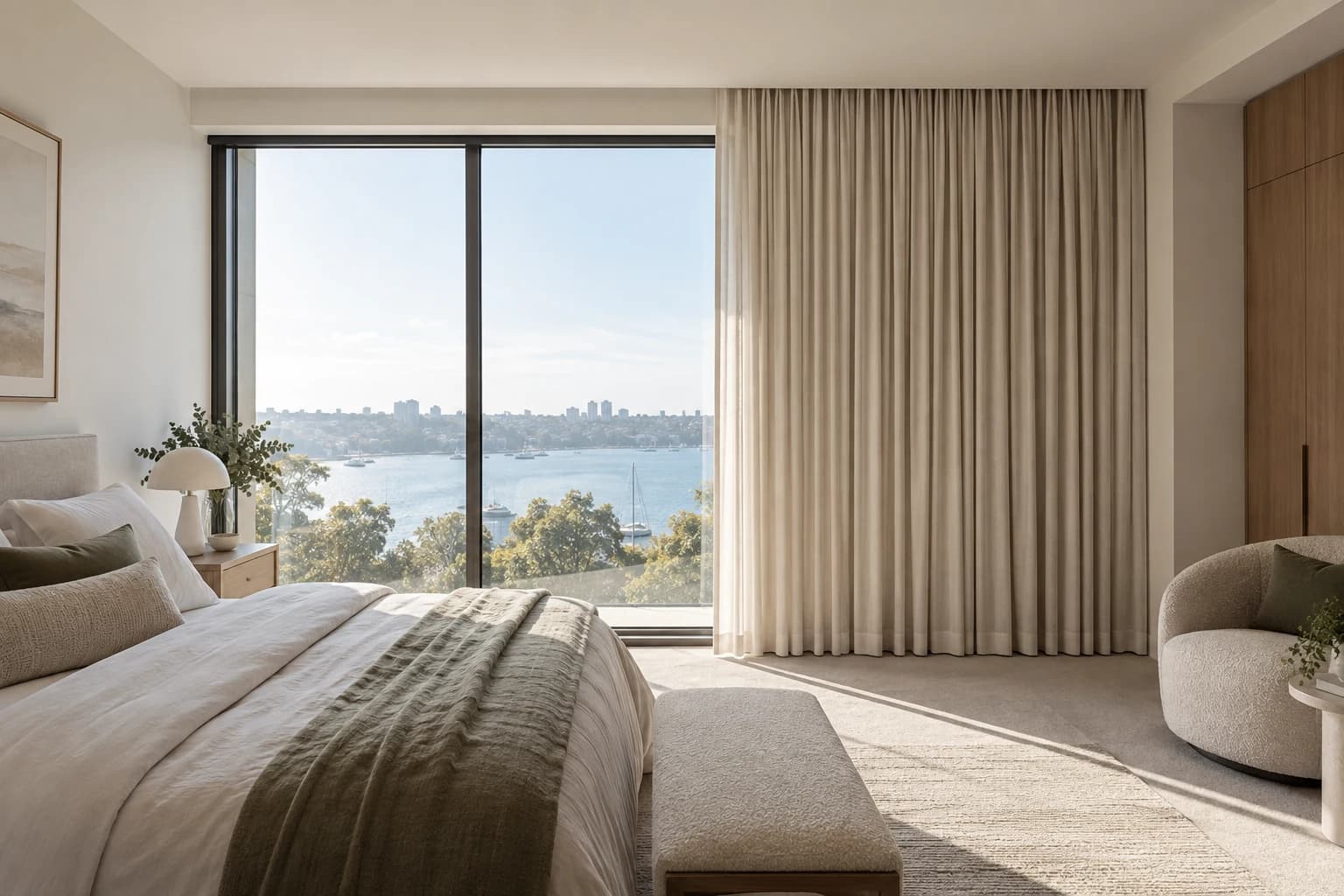
Motorisation considered as part of the track and curtain specification.

S-Fold Curtains by CCBD
S-fold has become a natural choice for contemporary Sydney interiors. Its continuous wave gives a curtain softness without decorative fuss, making it particularly suited to large windows, full-height glazing and open-plan rooms.
What looks simple depends on getting several things right: the fabric, fullness, wave spacing, track position, finished drop and the space allowed for the curtain to stack.
The visual rhythm
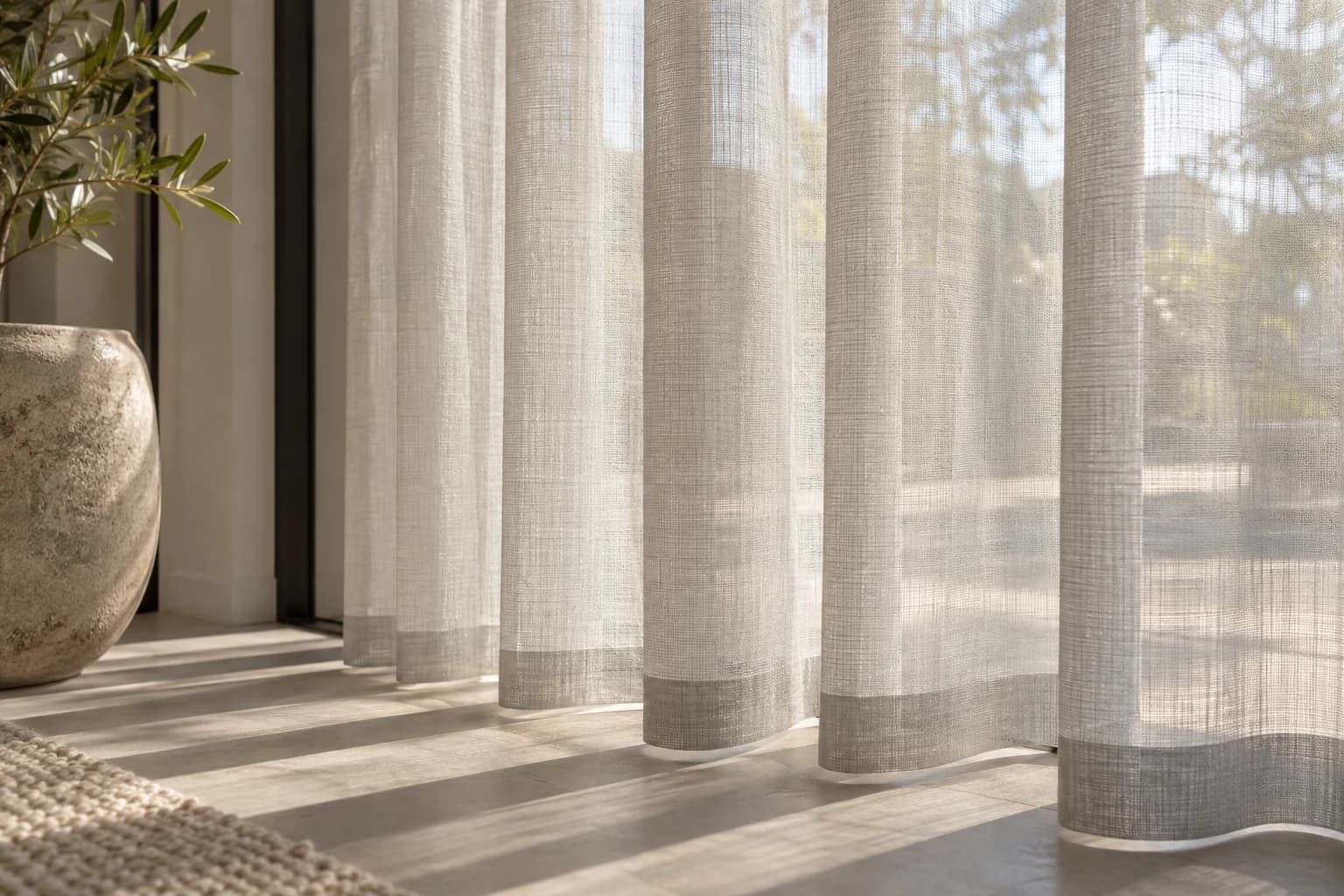
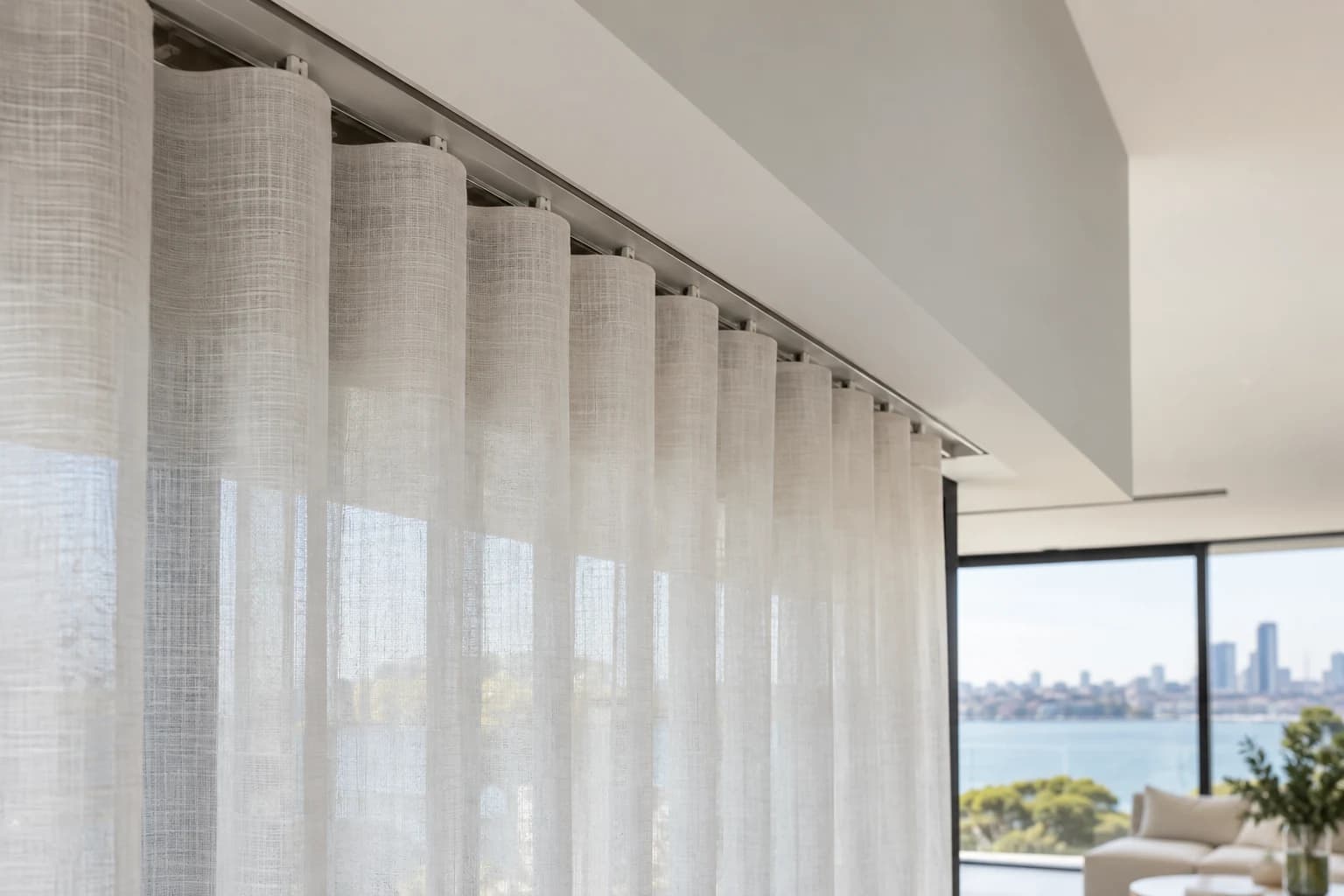
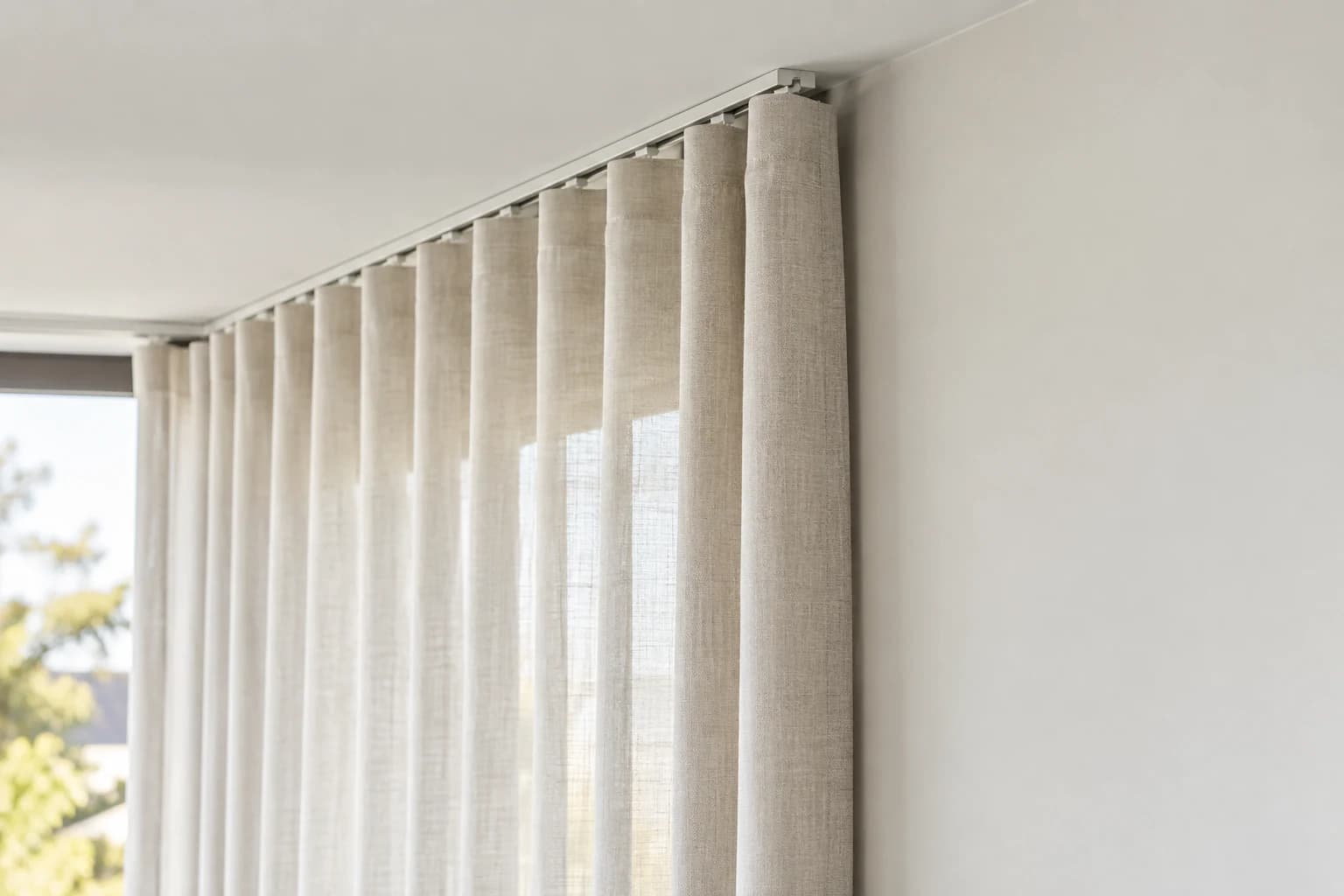
The curtain falls in a calm, repeating rhythm rather than a series of formal pleats.

Particularly effective across wide openings, sliding doors and full-height glazing.
Light passing through a sheer makes the shape and texture of the fold part of the room.
20+ Years of Curtain Making
S-fold has very little decoration to disguise the making. The eye reads the curtain as one continuous surface, so cutting, seams, heading, side hems and finished length all need to work together.
With more than 20 years in custom window furnishings, CCBD approaches an S-fold as a made-to-measure textile product—not simply fabric attached to a track.

Tailored Construction
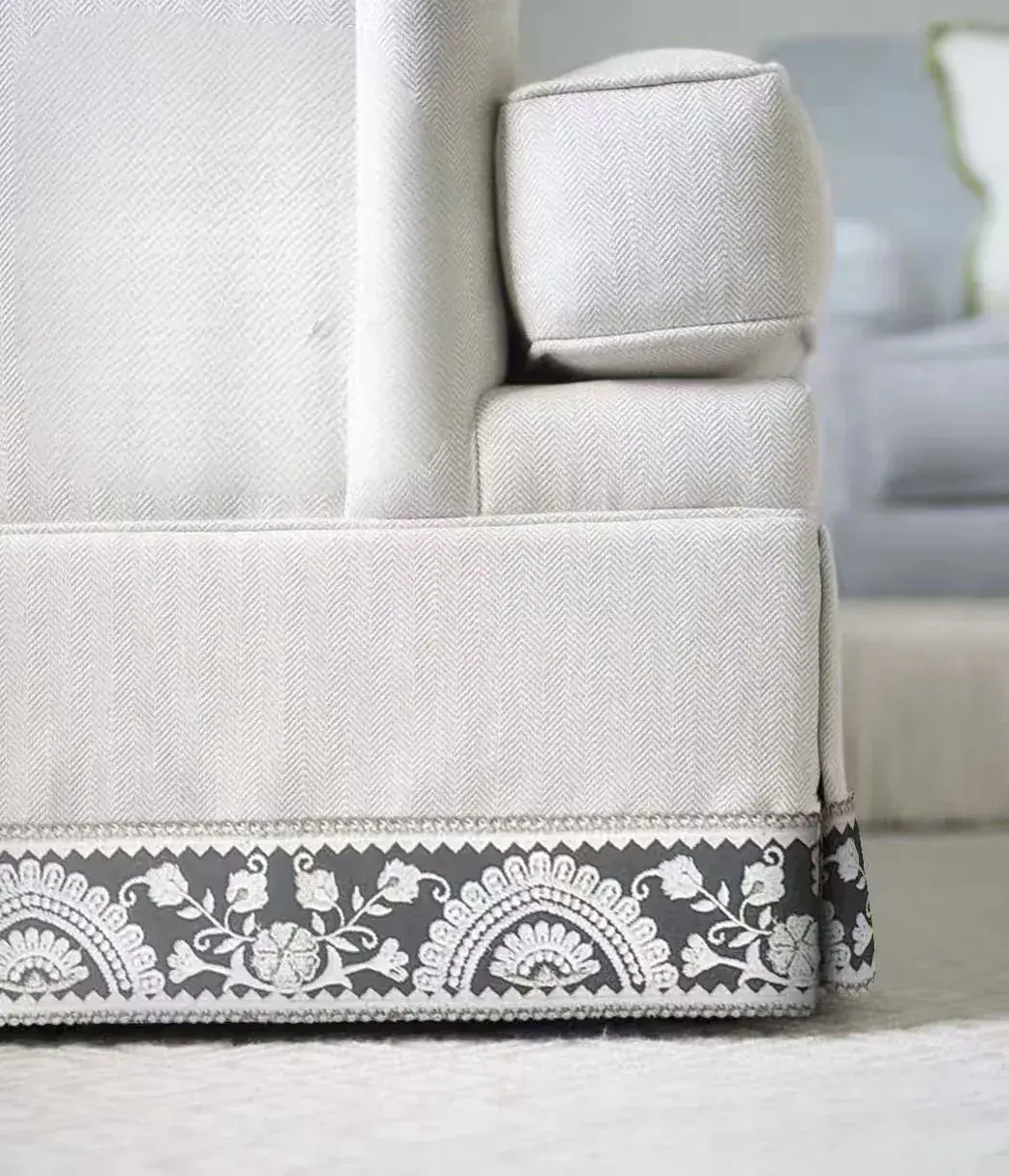
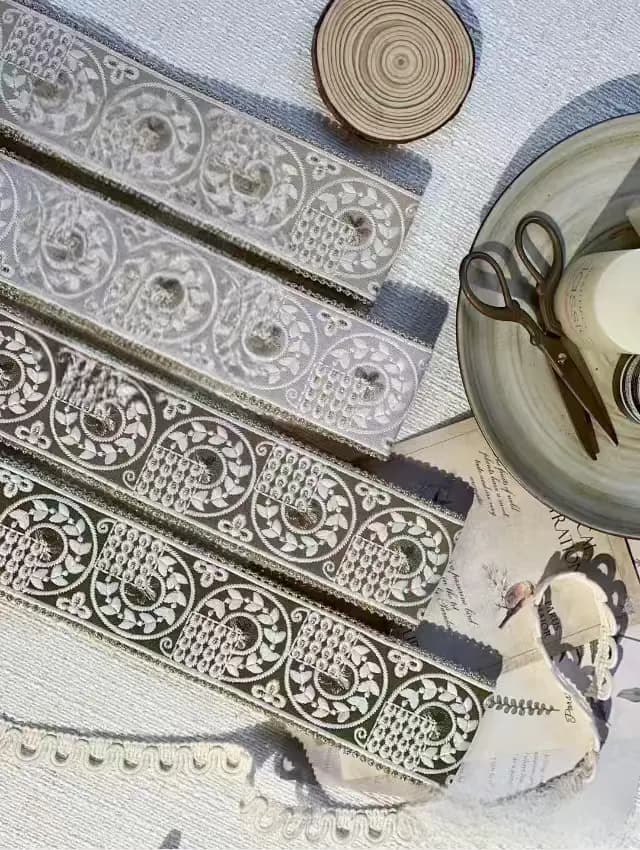
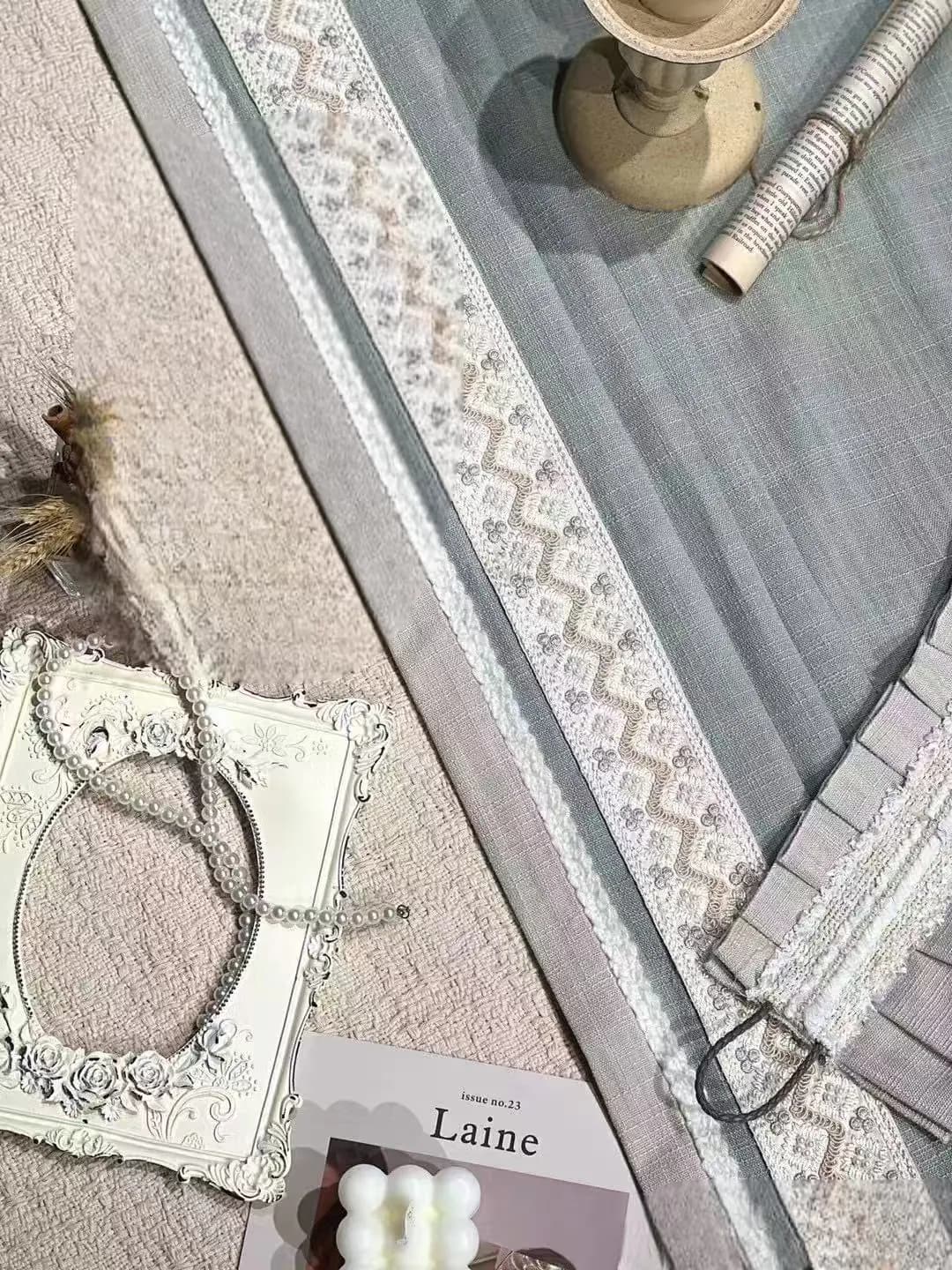
The behaviour of the finished curtain begins at the cutting table. Fabric direction, joins, pattern placement, heading, side hems and bottom finish are considered together so the curtain hangs as one balanced piece.
This becomes especially important with wide S-fold curtains, where small inconsistencies can repeat across the entire window.
Shape & Finishing
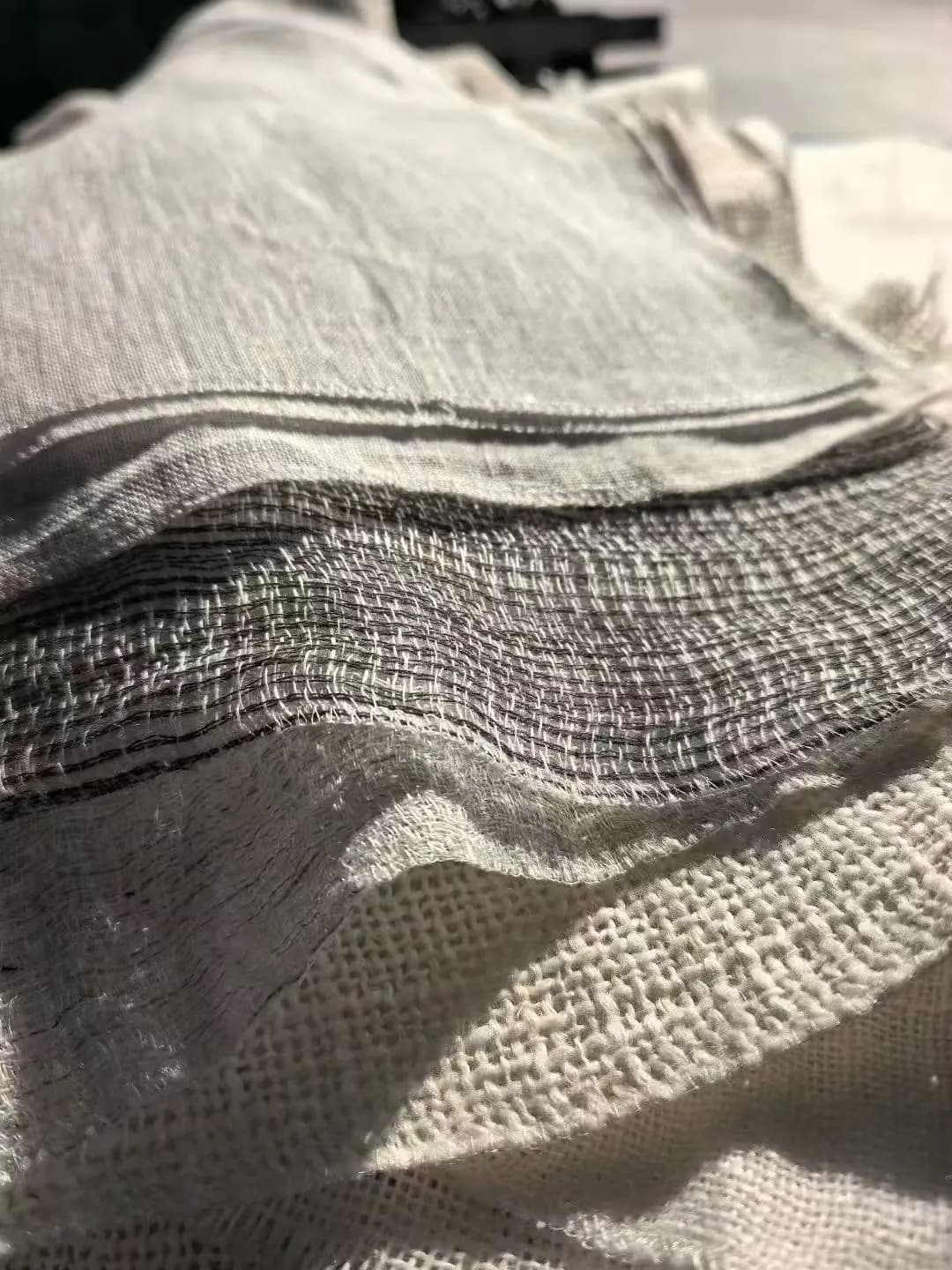
For suitable fabrics, controlled heat-setting can help establish a cleaner, more consistent S-fold from heading to hem and improve the way the curtain returns to its intended shape after opening and closing.
Not every fabric should be treated in the same way. Fibre content, weave, coating, texture and the fabric supplier’s care requirements are considered before heat-setting is used.
Fabric behaviour
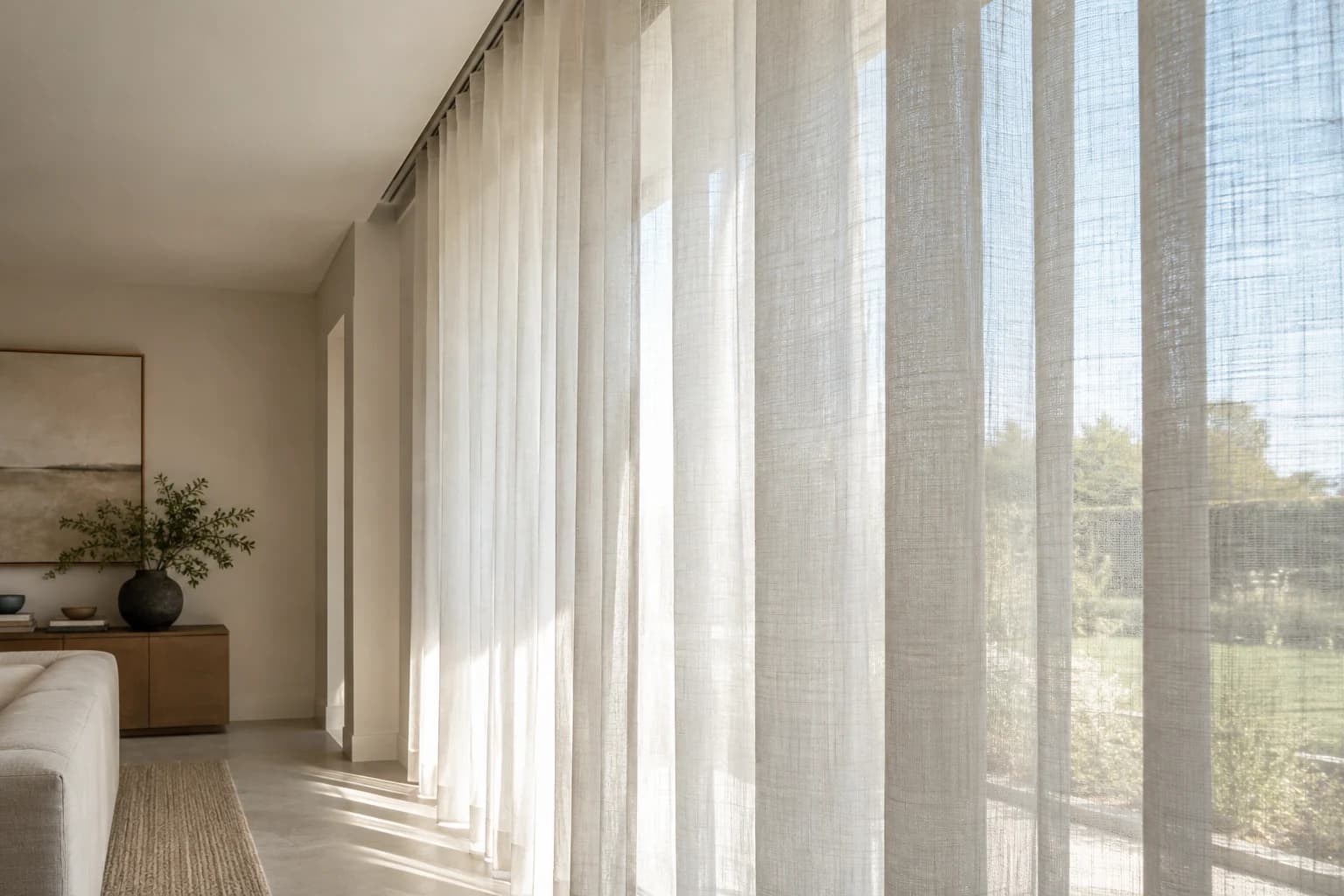

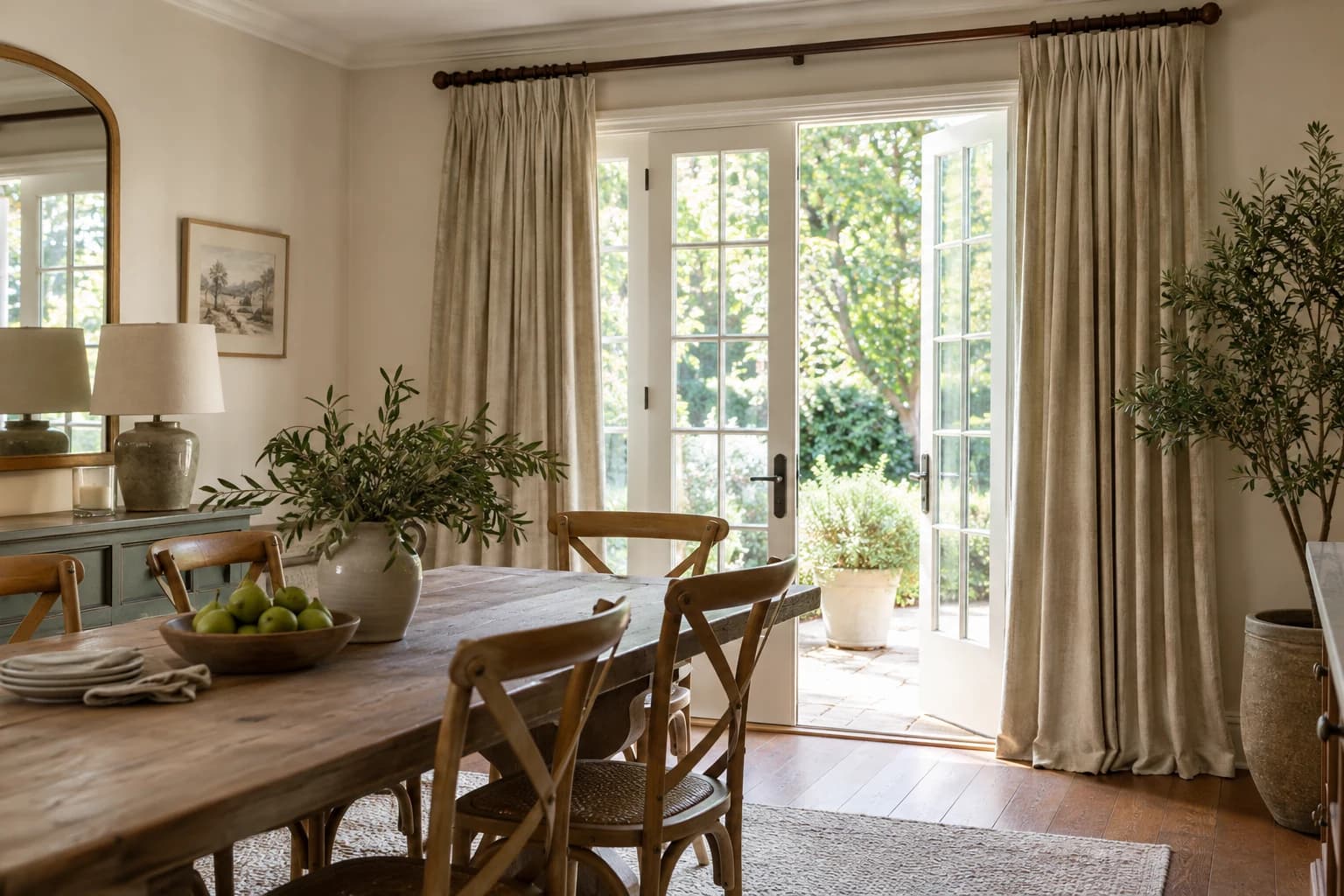
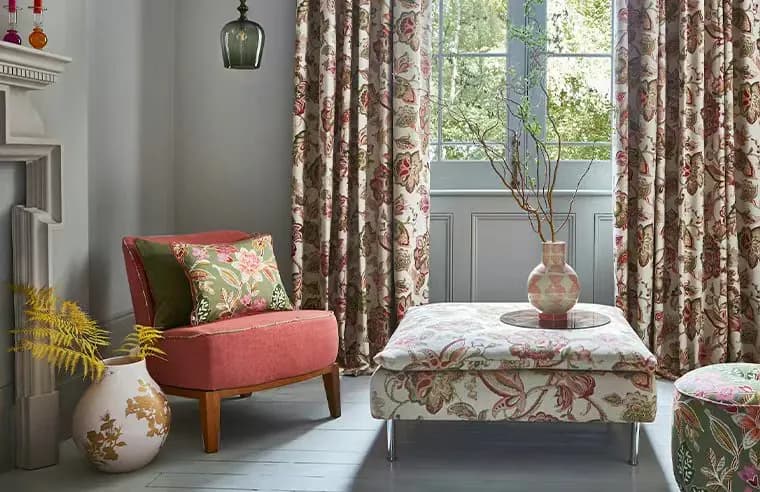
A fine sheer may form a light, precise wave. A textured linen-look fabric can produce something softer and more relaxed. A heavier decorative fabric changes the depth, stack and movement again.
We select the construction around the fabric rather than forcing every fabric into the same formula.At home in Sydney

Clean architecture and full-height windows.
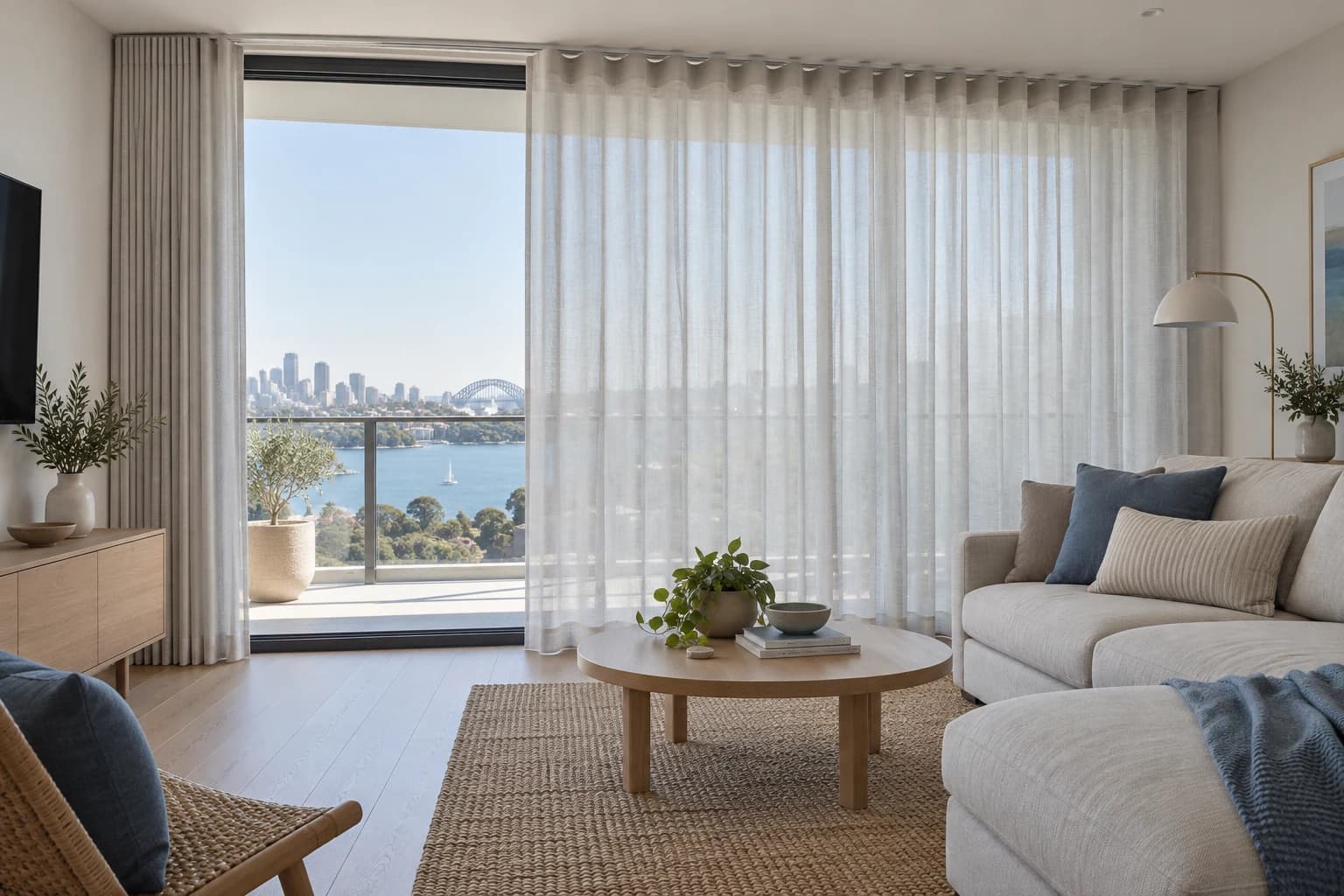
Softens large areas of glass without visually crowding the room.
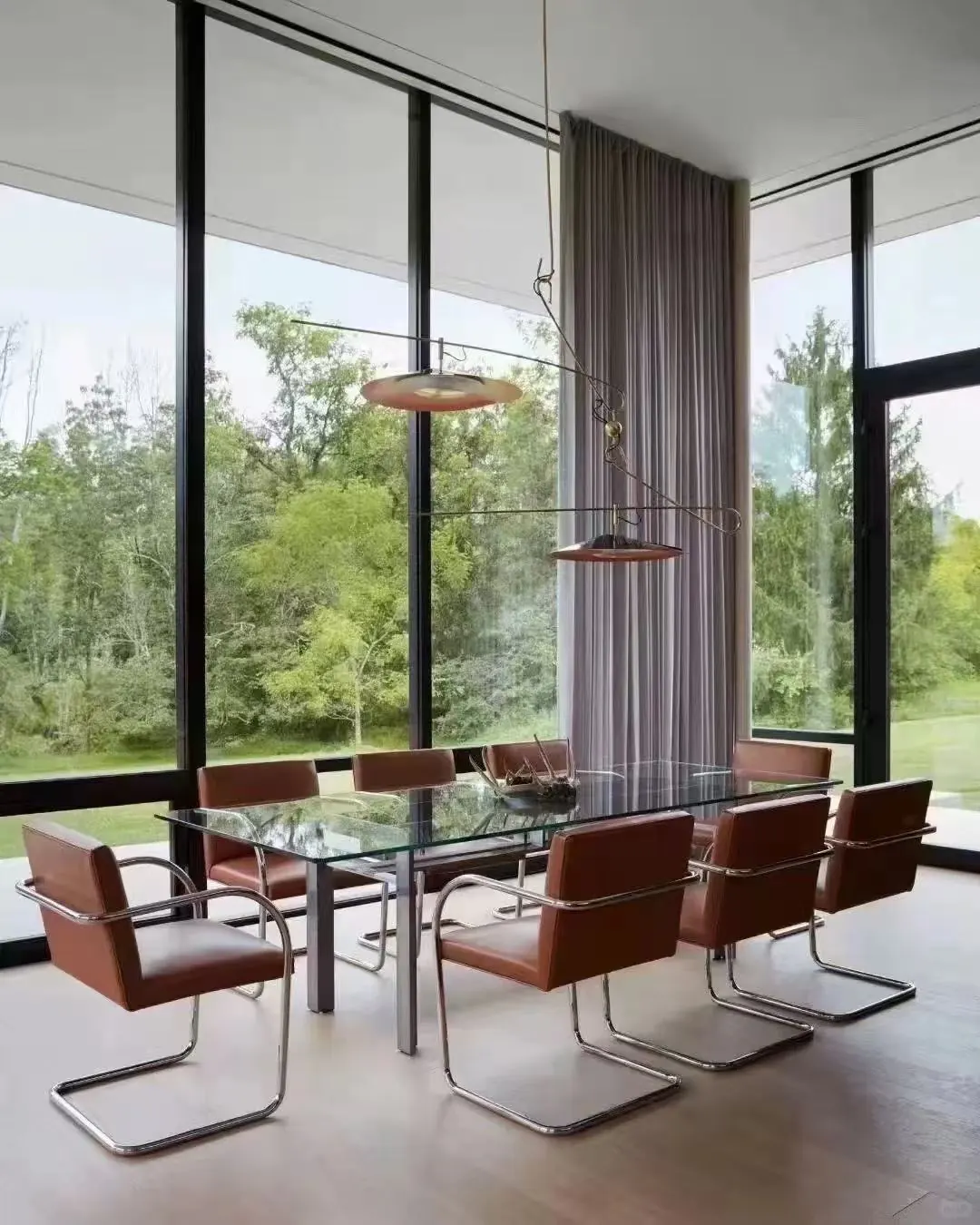
Allows a long curtain run to become part of the architecture.

Beautiful as a sheer layer, or combined with a separate room-darkening treatment where required.

Measurement & Installation
Track position, projection, stack-back and finished drop determine how the curtain relates to the window long after installation day.
We resolve these details during measure and specification—not after the curtain has been made.
Questions & answers
It depends on the fabric, floor and way the room is used. A precise clearance is practical beside doors and on frequently cleaned floors. A soft break can suit a more relaxed decorative curtain, but it is a deliberate finish that needs more care—not a substitute for accurate measurement.
Not in every room. A double treatment is useful when you want filtered daylight and daytime screening from the sheer, then stronger privacy or room darkening from the lined curtain. The track space, total stack and the order of the layers should be planned together.
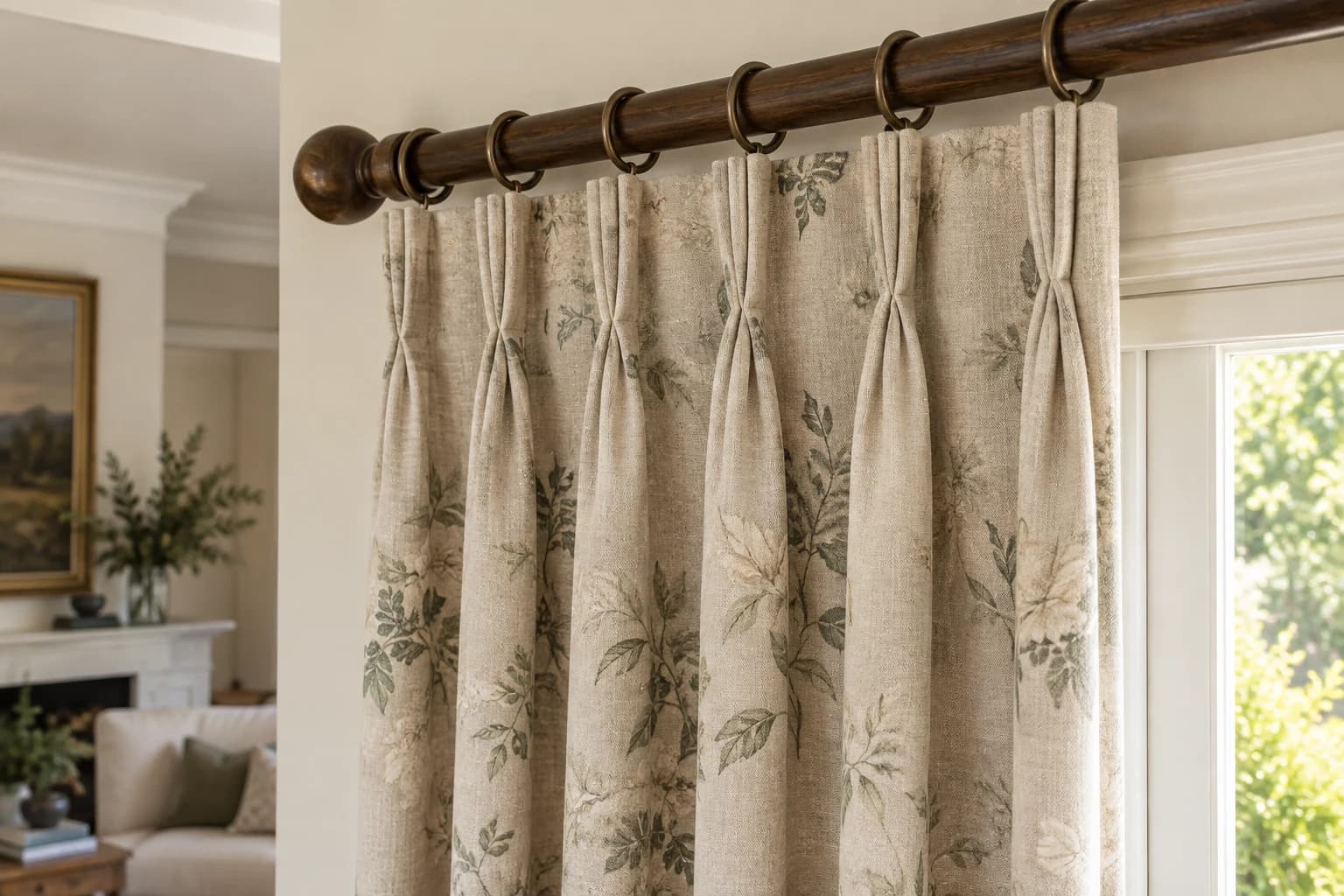
S-fold creates a calm, continuous rhythm and works well across contemporary glazing. Pinch pleats give a more tailored top and suit both classic and formal rooms. Fabric behaviour, available stack space, track type and the surrounding architecture should guide the choice.
Possibly, after the curtain weight, heading, track position and fixing conditions are assessed. Some existing curtains can work with a compatible motorised track; others need changes to the heading or hardware. Access to power or a suitable charging arrangement must also be resolved.
Continue exploring
Your next step
Share room photographs, approximate dimensions or plans, and tell us what you would like to change. We’ll help work through the light, privacy, fabric and practical requirements before recommending the right treatment.
Arrange an in-home measure and quote.
Talk with us about fabrics, styles, light, privacy and planning your window furnishings.