How dark will the bedroom become?
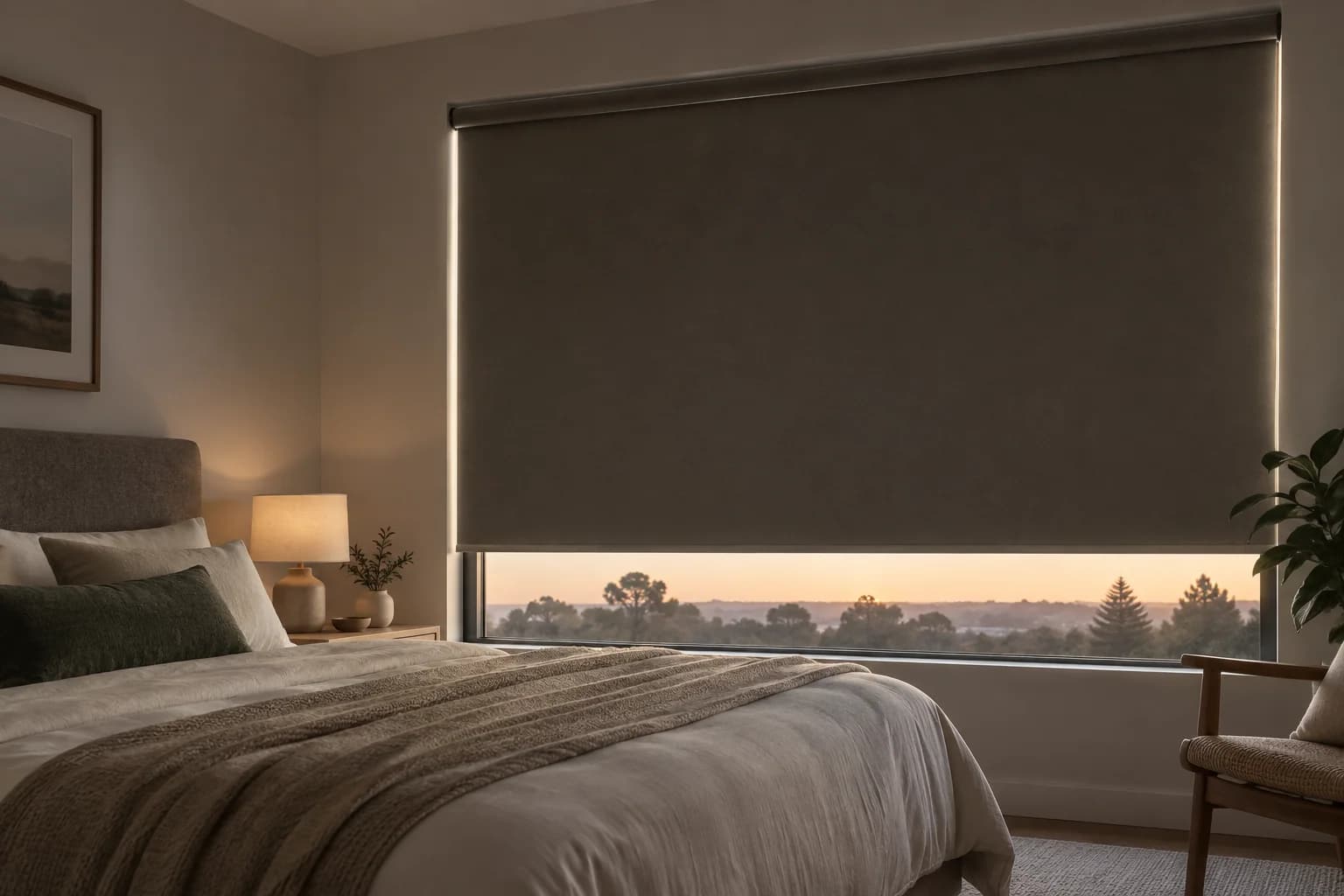
That depends on the perimeter as much as the cloth. A standard roller leaves designed clearances around its moving fabric.
Blockout Blinds · Sydney
Control the light paths, not only the fabric.
Blockout describes what the fabric does: it prevents light passing through the cloth. The darkness of the completed room depends on the whole opening—side gaps, top and bottom clearances, fitting position, joins and any additional layer.
Blockout cloth controls transmission. The window controls the remaining light paths.
Start with the decision
That depends on the perimeter as much as the cloth. A standard roller leaves designed clearances around its moving fabric.
The bracket and control width exceeds the fabric width, creating side clearances—especially in a recess fit.
Only when the darkness target justifies more perimeter control. The opening, ventilation and service access still matter.
A shift-worker room under bright sun usually needs a more deliberate fitting and layering strategy than normal night privacy.
Different rooms · different thresholds
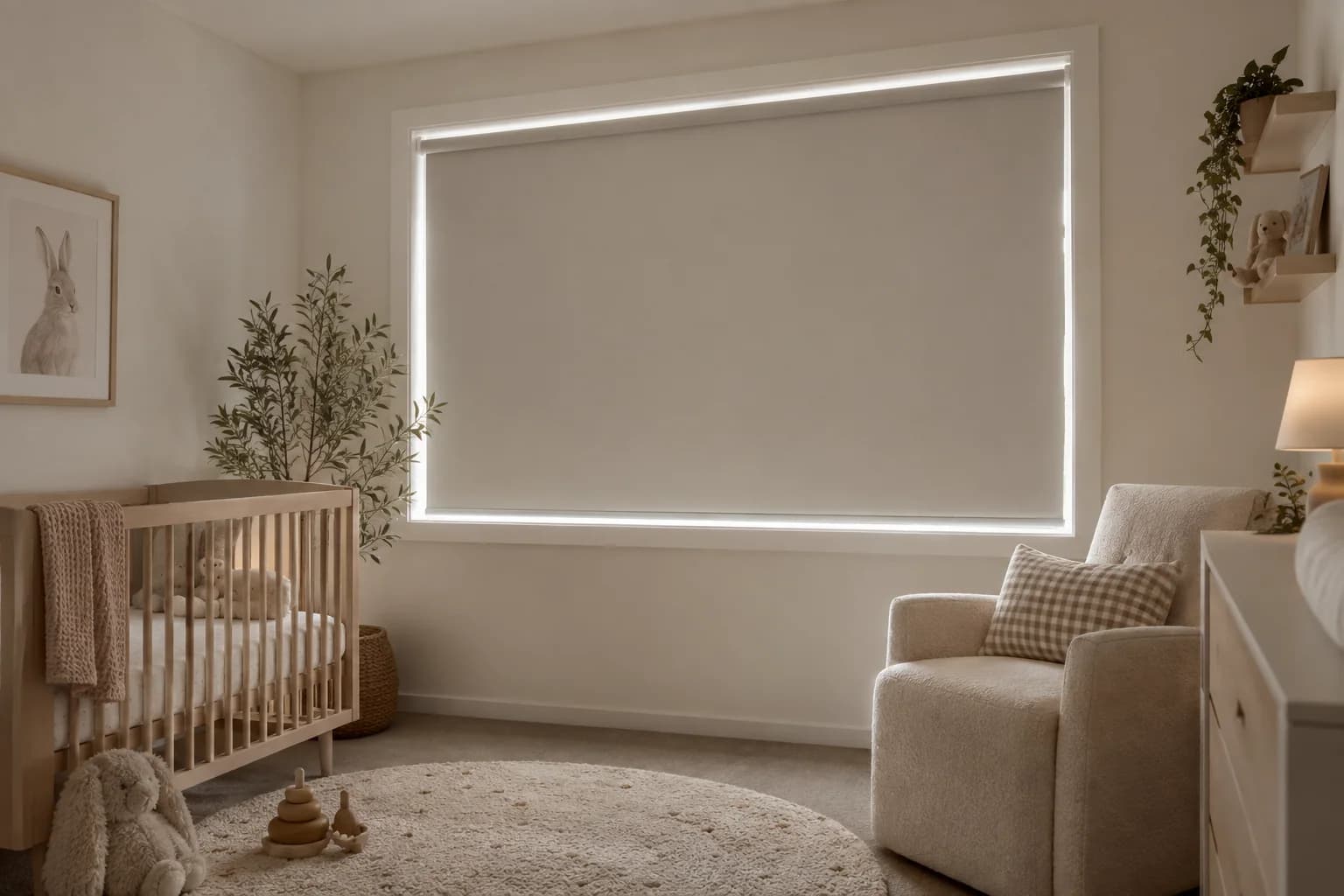
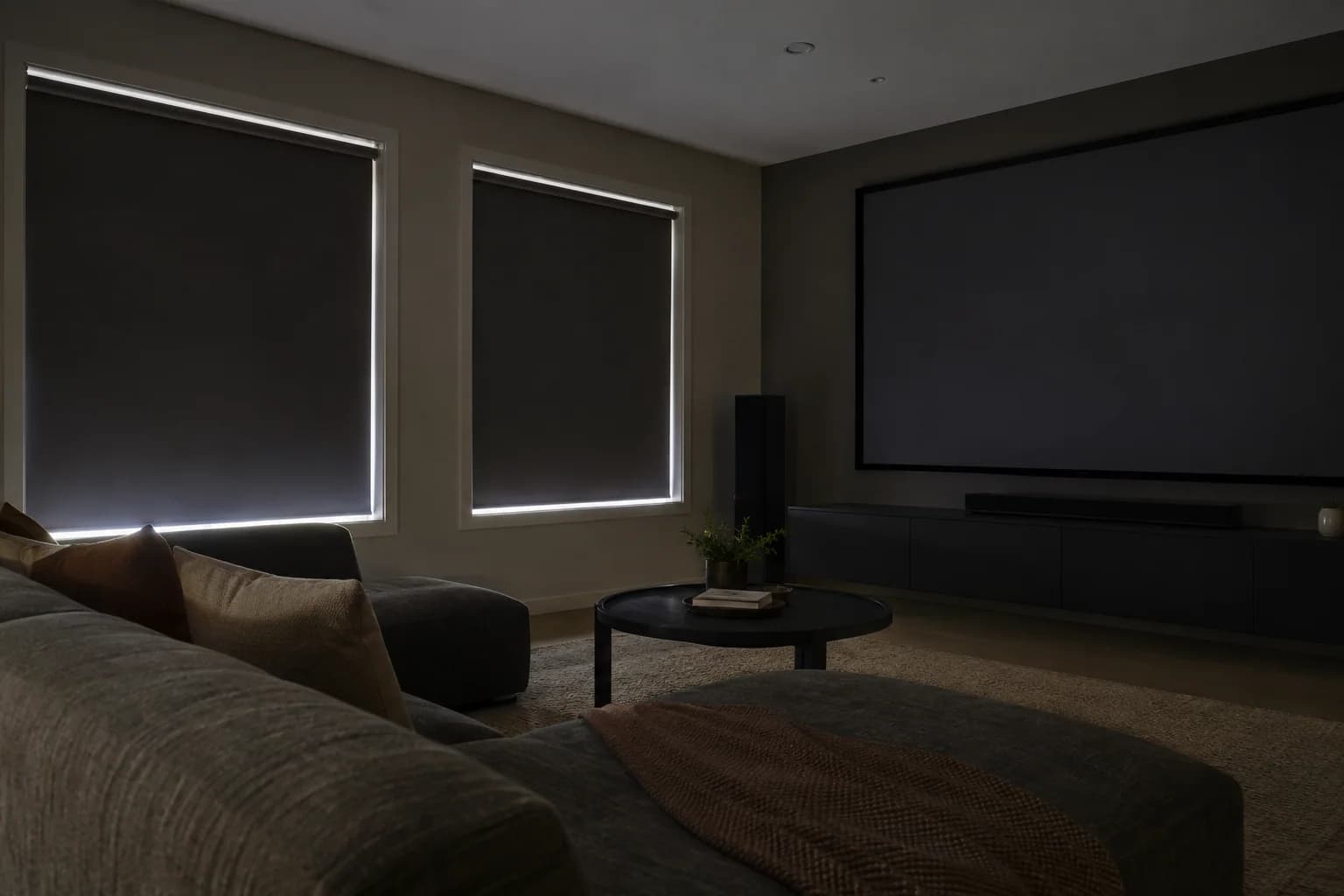
Review sunrise direction, bed position and whether a small perimeter glow is acceptable.
The brighter the day outside, the more clearly unsealed paths read around a standard blind.
A stronger perimeter strategy or an additional curtain layer may be more appropriate than changing fabric colour.
Screen position, glazing orientation and door light all influence the result.
The installed result
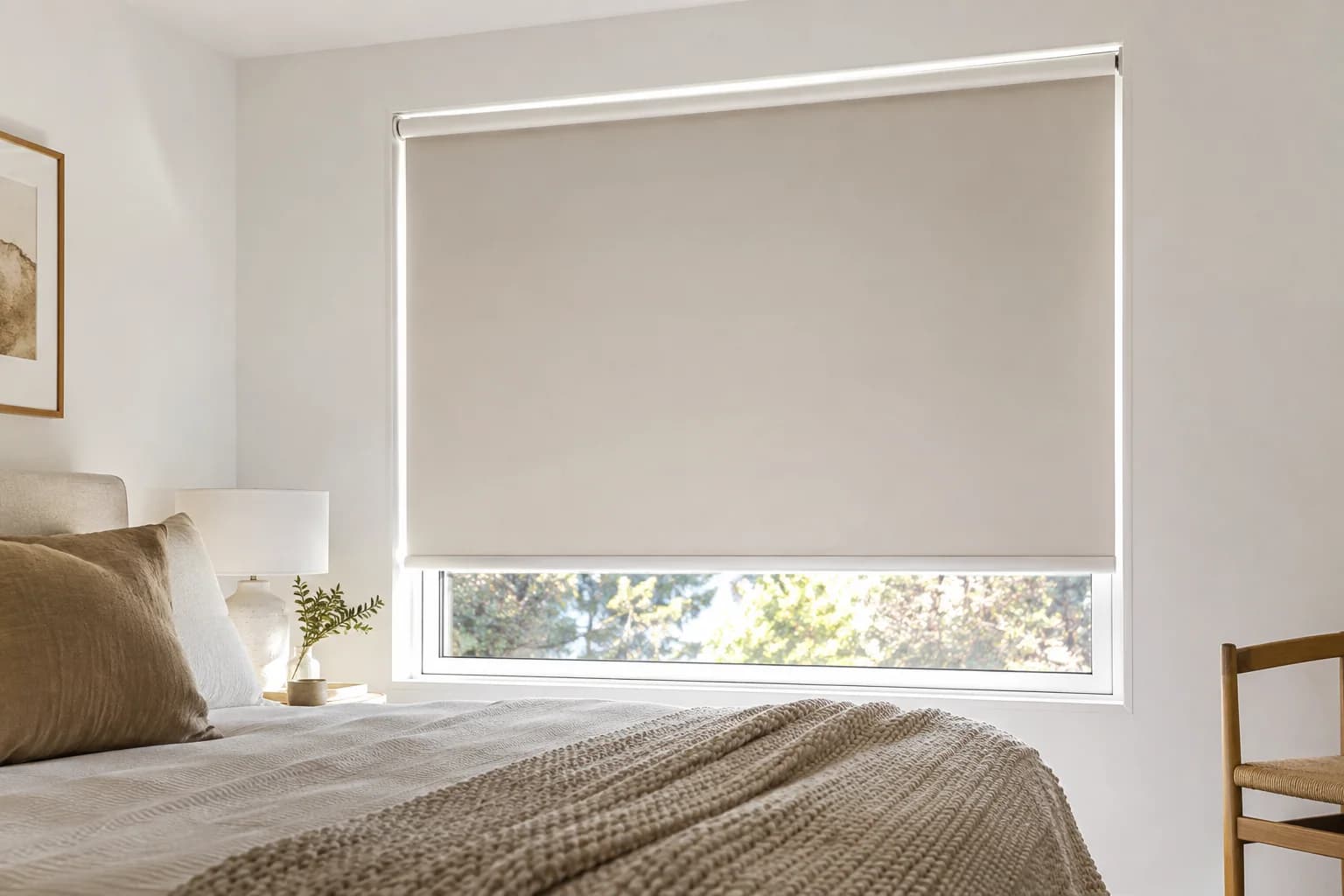
A roller’s brackets and controls sit beyond its fabric width. Recess-fit side gaps may therefore remain even when the cloth itself is fully opaque. Light can also enter at the top, below the bottom rail, through window junctions or between separate blinds.
The photographs elsewhere on this page show the installed result; final dimensions and component options depend on the selected system and the actual opening.
The complete window
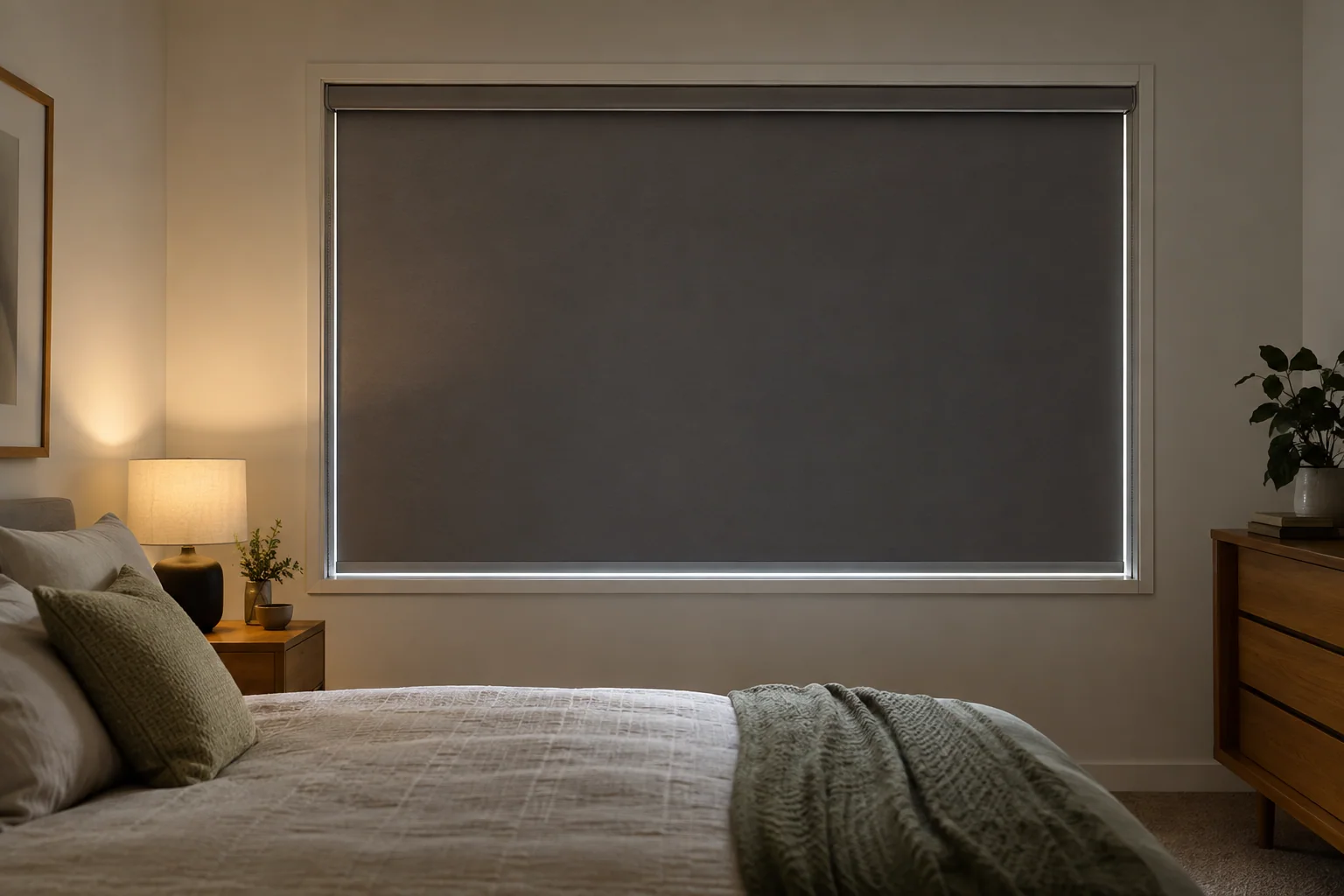
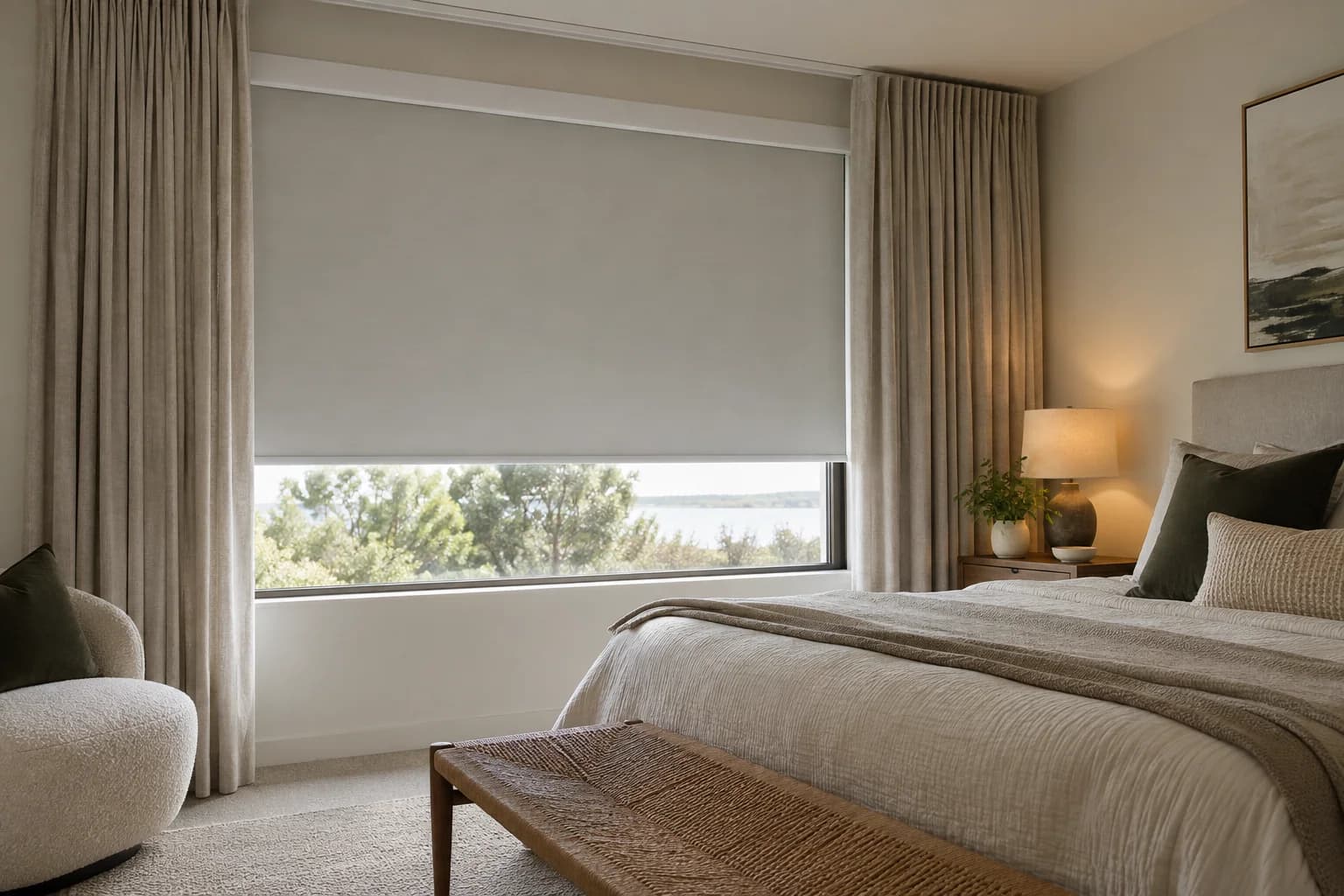
Good general light control and privacy where a normal perimeter glow is acceptable.
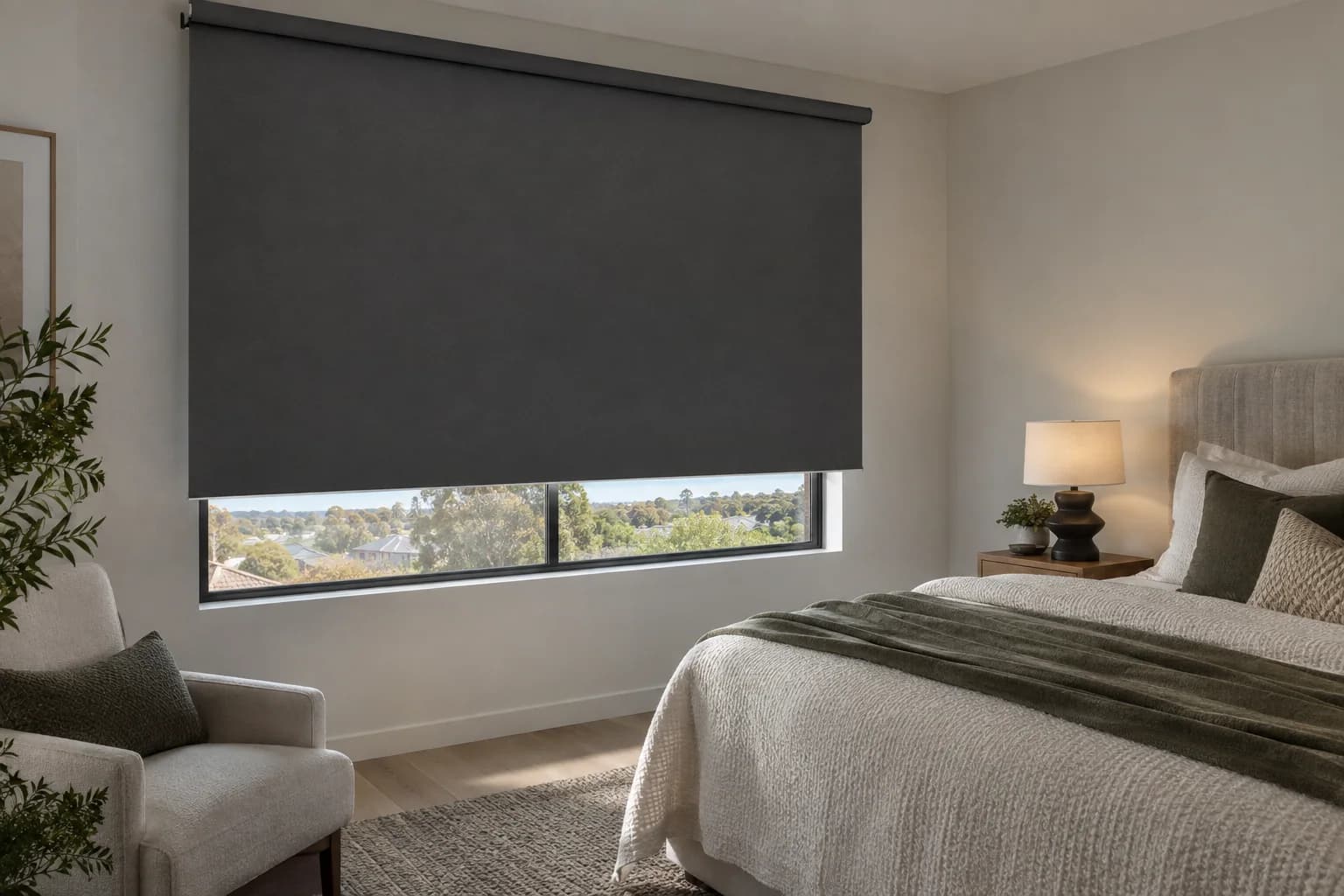
Cover more of the opening where surrounding surfaces and trim allow a stable fixing plane.
Control selected perimeter paths when the roller, fabric travel, tolerances and service access suit the complete system.
Coordinate roller overlap with curtain track position, returns and centre closure for additional coverage and softness.
Professional installation
Measurement must establish the fixing plane, squareness, usable overlap, sill relationship, window hardware and the light paths between adjacent blinds. A narrow mullion or projecting handle can change the division and roll direction.
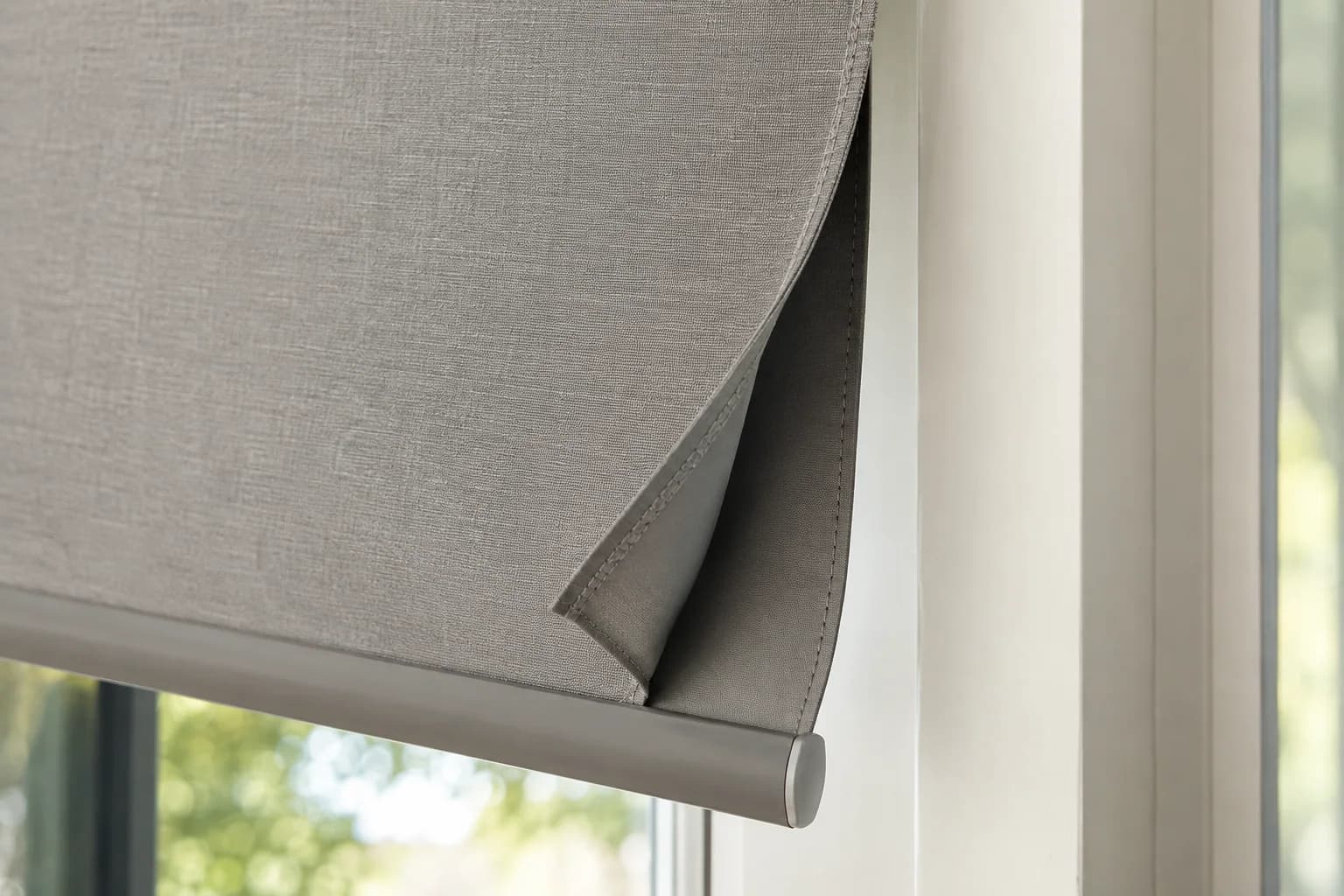
Where channels or a cassette are selected, their alignment, bottom interface, cleaning access and future service access matter as much as the opaque fabric. The system should operate freely before final limits or child-safety details are signed off.
Professional judgement
For ordinary night privacy, a correctly specified blockout roller may be sufficient. For daytime sleep or a tightly controlled media room, CCBD may recommend face overlap, compatible channels, curtains or a layered arrangement after inspecting the opening.
Ventilation, safe operation, service access and window use remain part of the decision. A room should not be treated as a sealed photographic box simply to remove one thin line of light.
Blinds knowledge hub
Before you specify
No. It prevents light through the fabric, while the room also depends on side, top and bottom paths and other openings.
Overlap can help, but wall condition, trim, projection and the usable fixing plane determine whether it works well.
They need to be compatible with the roller, fabric travel and installation. Space, alignment, cleaning and service access must be checked.
Start with sleep time, sun direction and tolerance for perimeter glow. A layered or channelled system may be appropriate after a site assessment.
Layering can improve coverage and add textile softness. The track and blind should be planned together so their operating paths do not conflict.
A conversation, then a considered specification
Bring the sleep hours, room orientation and darkness target. We’ll inspect the light paths and work through fabric, fit and layering as one specification.