Can I redirect light without raising the blind?
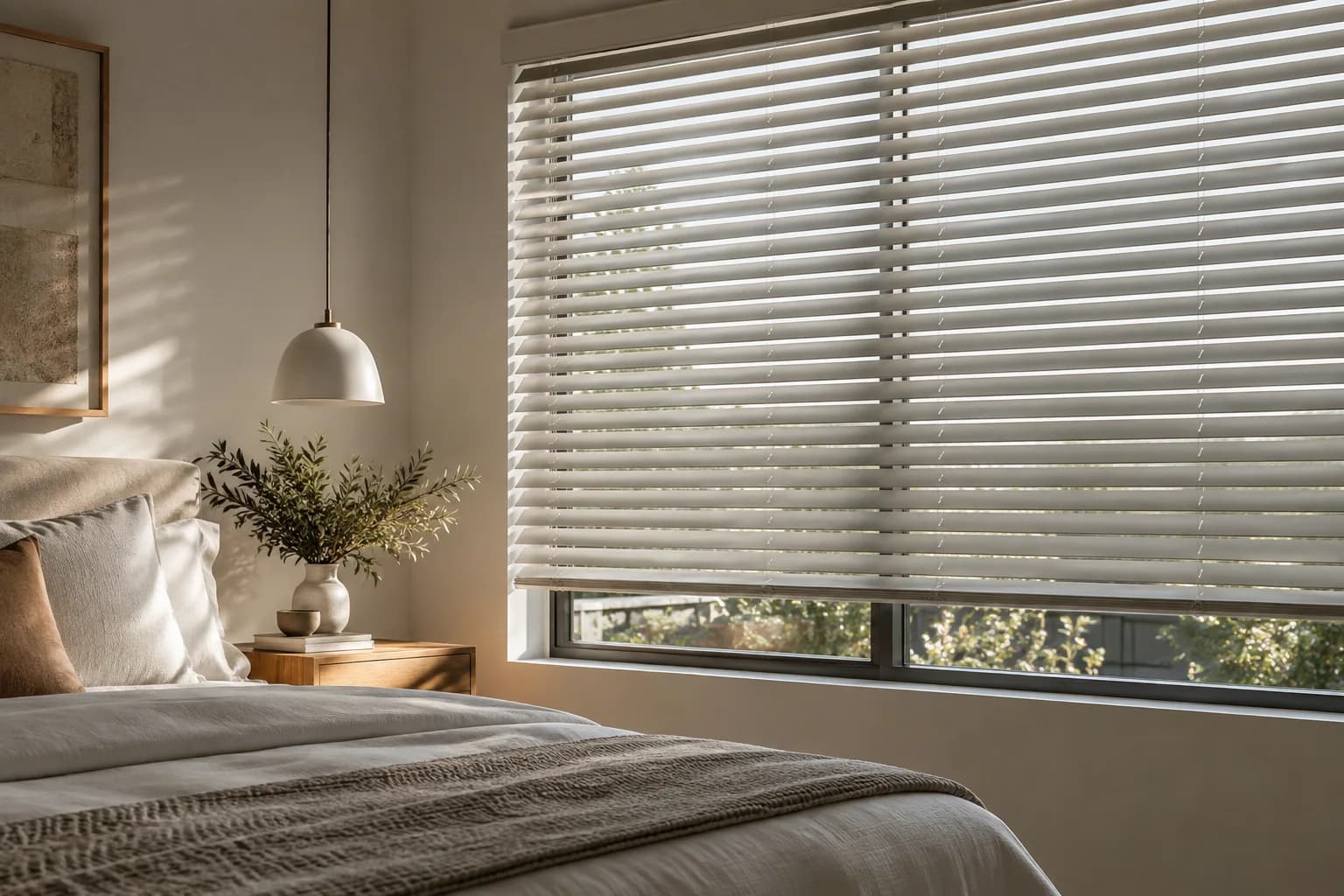
Yes. Tilting the louvres changes light direction and sightlines while the blind remains lowered.
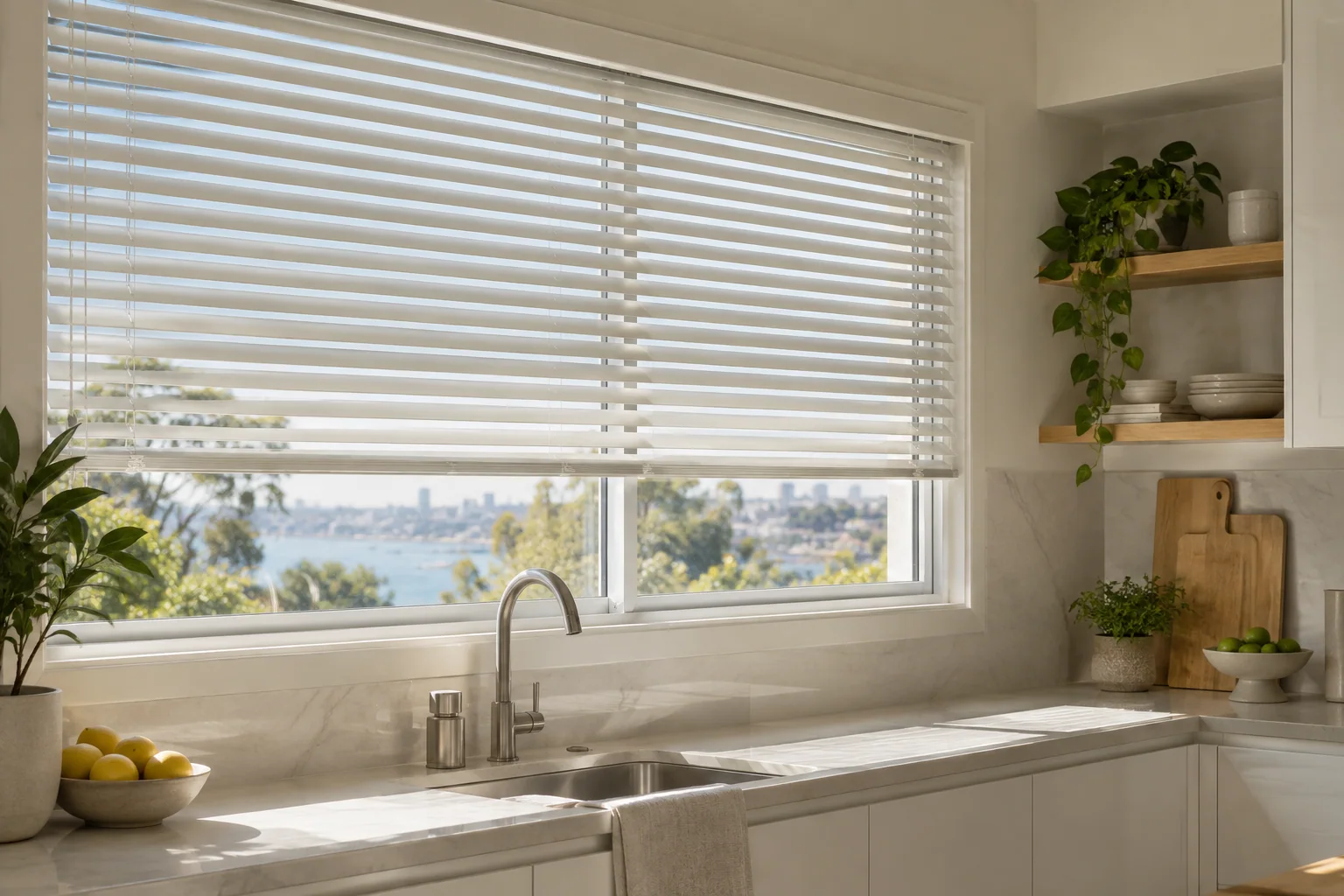
Venetian Blinds · Sydney
Precise light control, one louvre at a time.
Venetian blinds are strongest where adjustable horizontal slats, a compact treatment and an easier-to-maintain surface suit the room better than fabric. They redirect daylight and screen sightlines without pretending to be a soft furnishing.
Tilt for light. Raise for a clear opening.
Start with the decision
Yes. Tilting the louvres changes light direction and sightlines while the blind remains lowered.
They reduce light but do not seal the gaps between slats or around the blind. Strong room darkening needs another strategy.
Material, coatings, cords, headrail, ventilation and distance from heat or splash zones all need to suit the room.
A regularly dusted aluminium slat is practical, but narrow slats still need support during cleaning to avoid bending.
The reason to choose Venetian
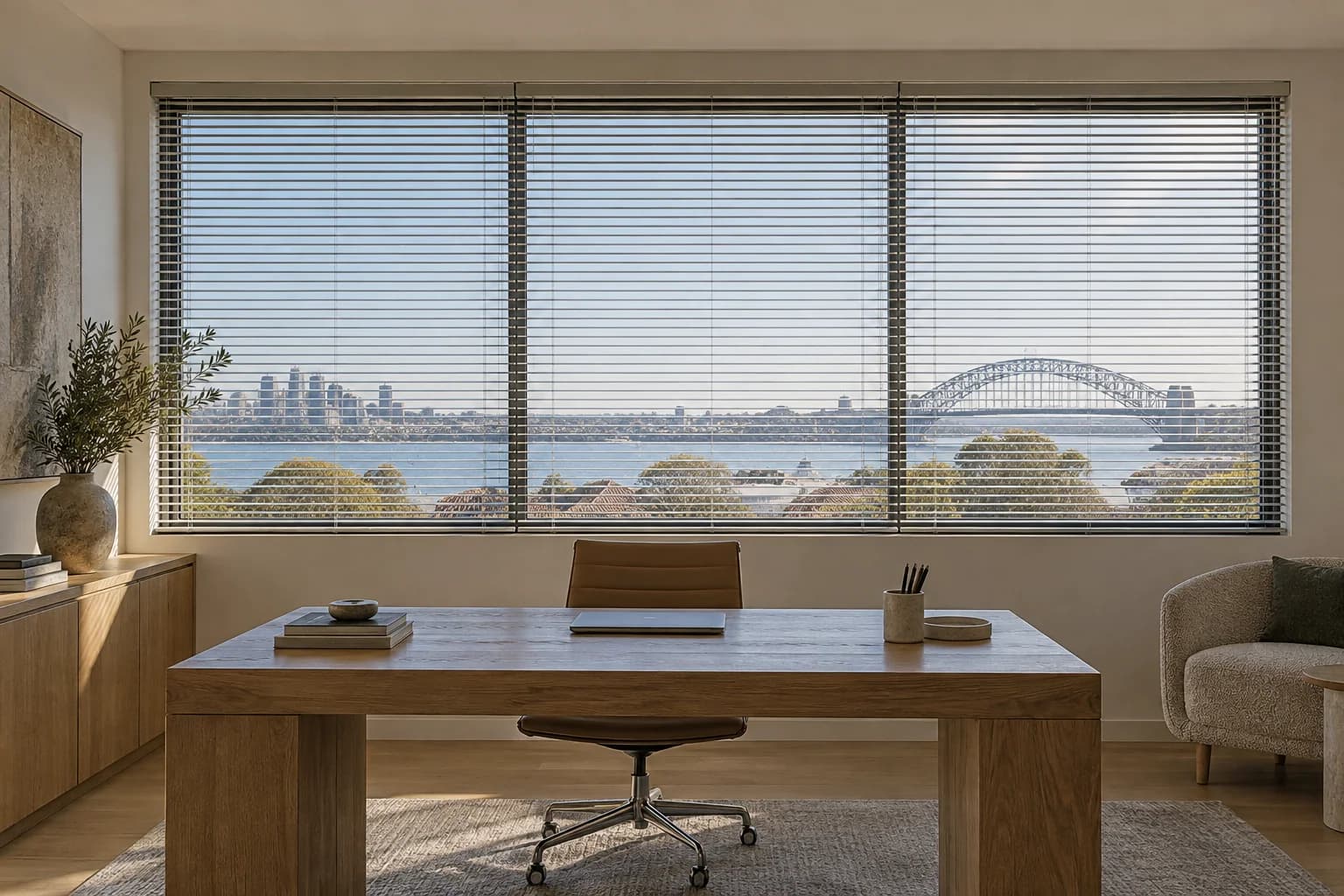
Tilting the slats can redirect daylight and interrupt a direct sightline while keeping the window brighter than a fully lowered opaque blind. Privacy depends on the viewing angle and external level, not simply whether the slats appear closed from inside.
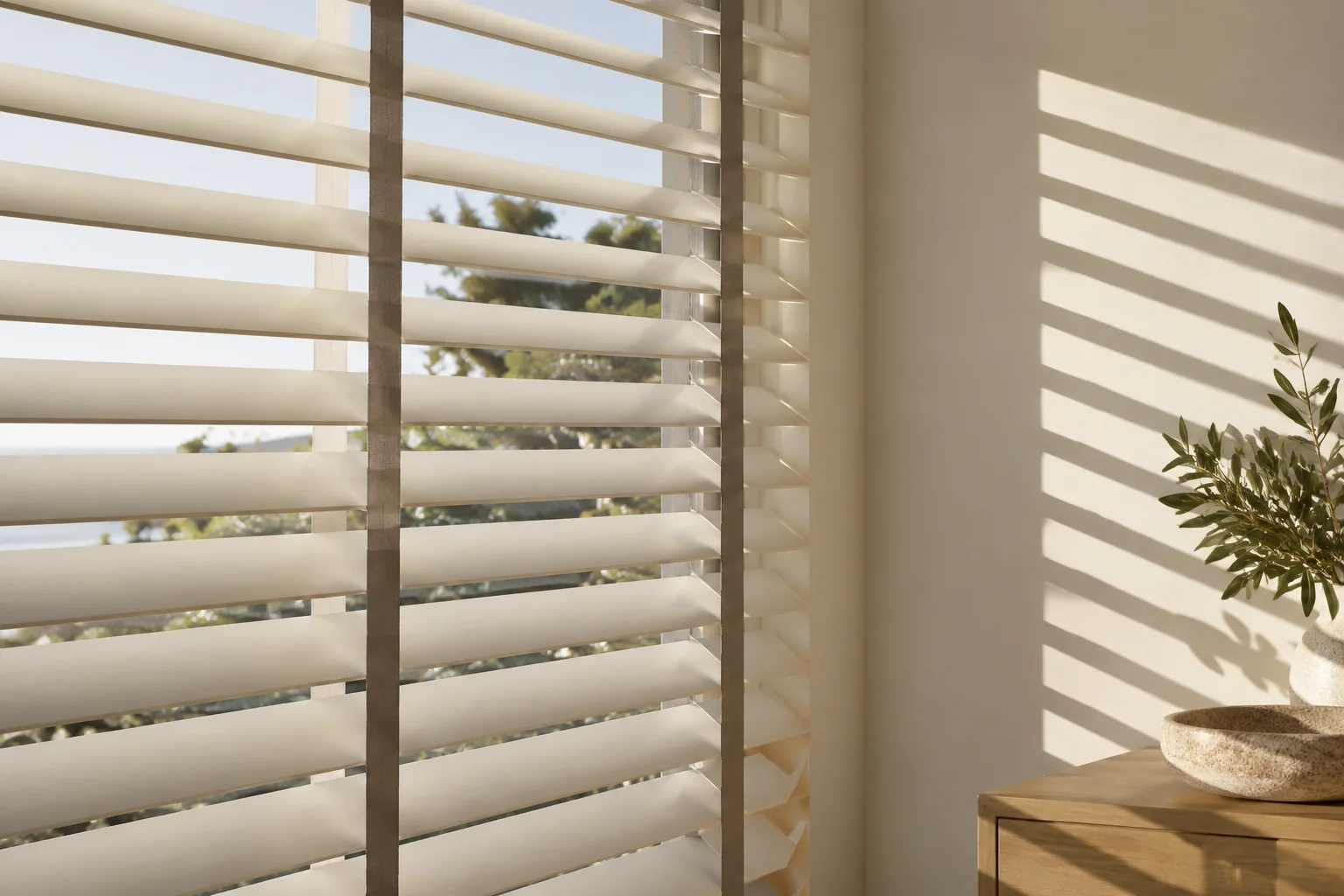
Rooms that work hard
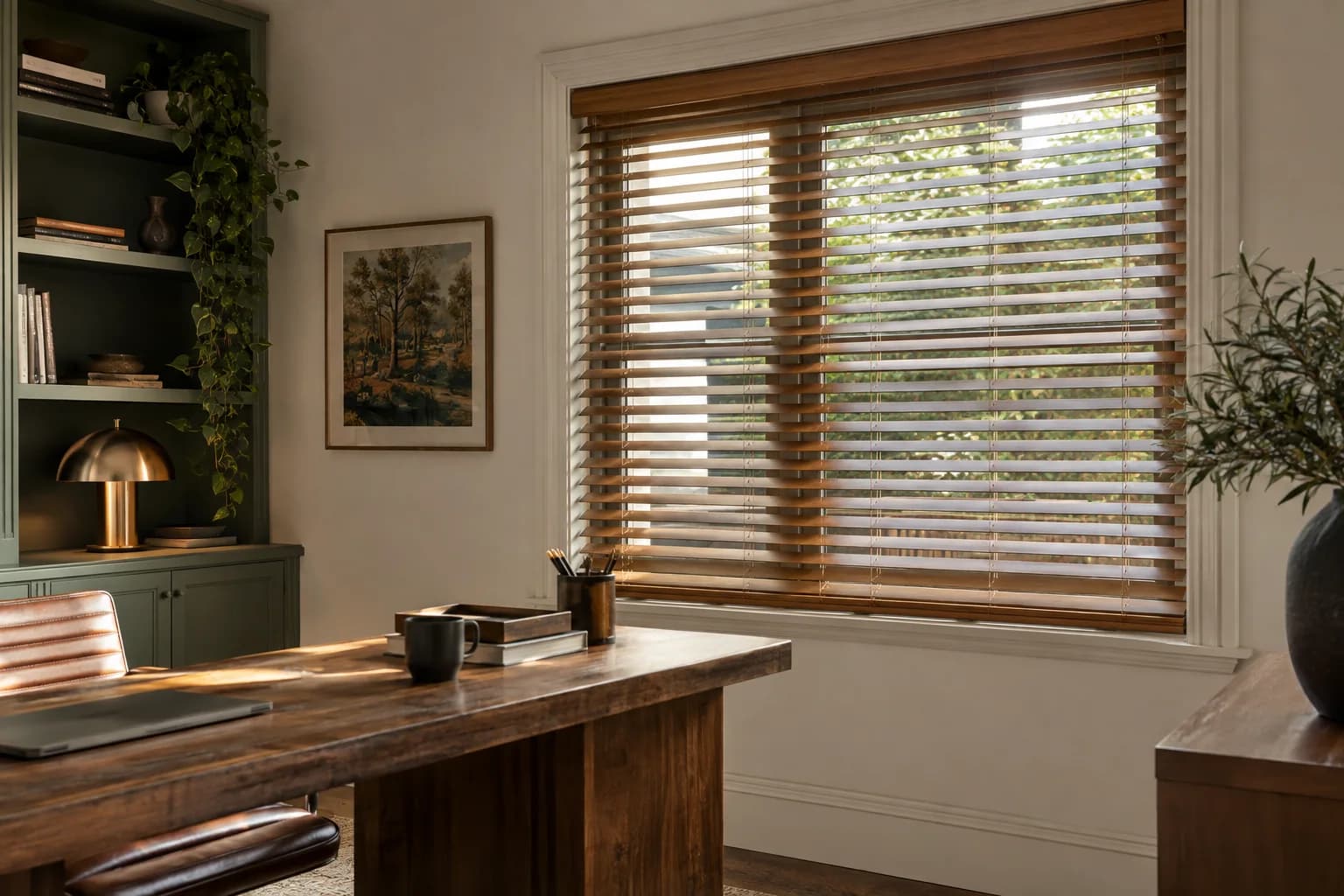
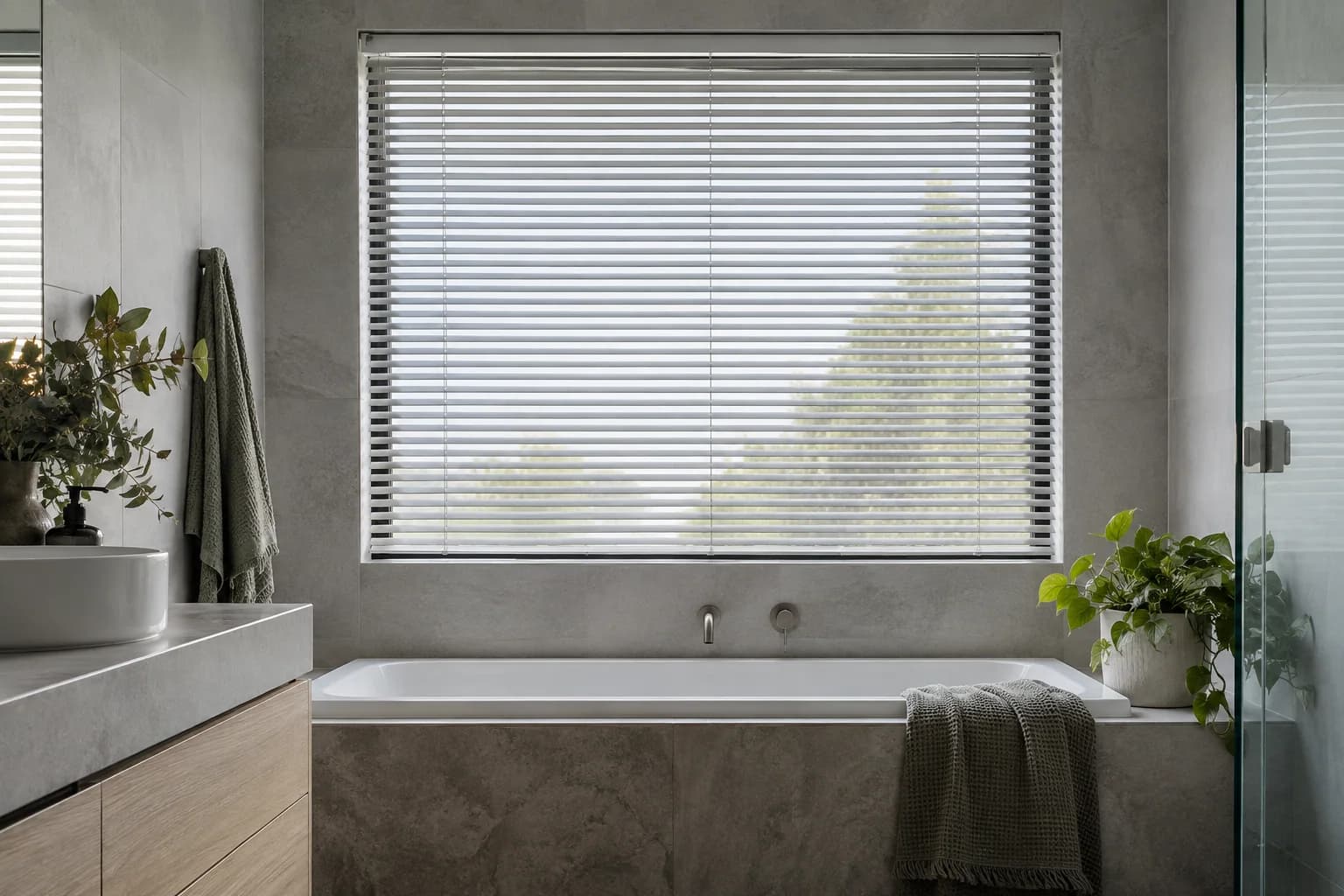
A wipeable slat surface can be useful when kept clear of heat, grease and splash zones.
Tilt around screen reflections and raise when a full outlook is needed.
Review ventilation, working clearances and the exact finish-care instructions.
Confirm whole-system suitability for humidity; aluminium slats alone do not verify every component.
Use repeatable louvre control where a more technical visual character is appropriate.
Before ordering
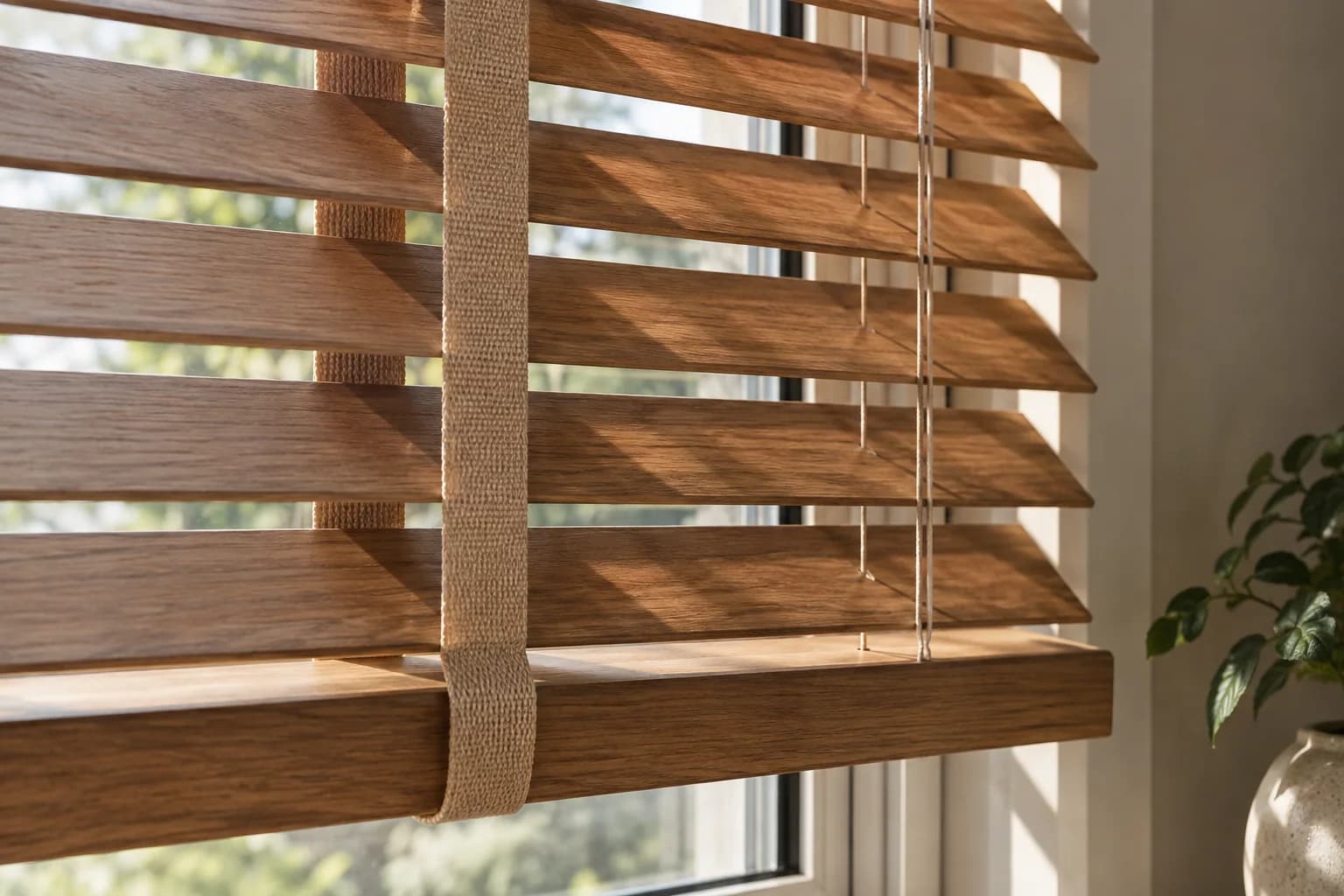
Select the width and finish around window size, frame colour and desired visual weight.
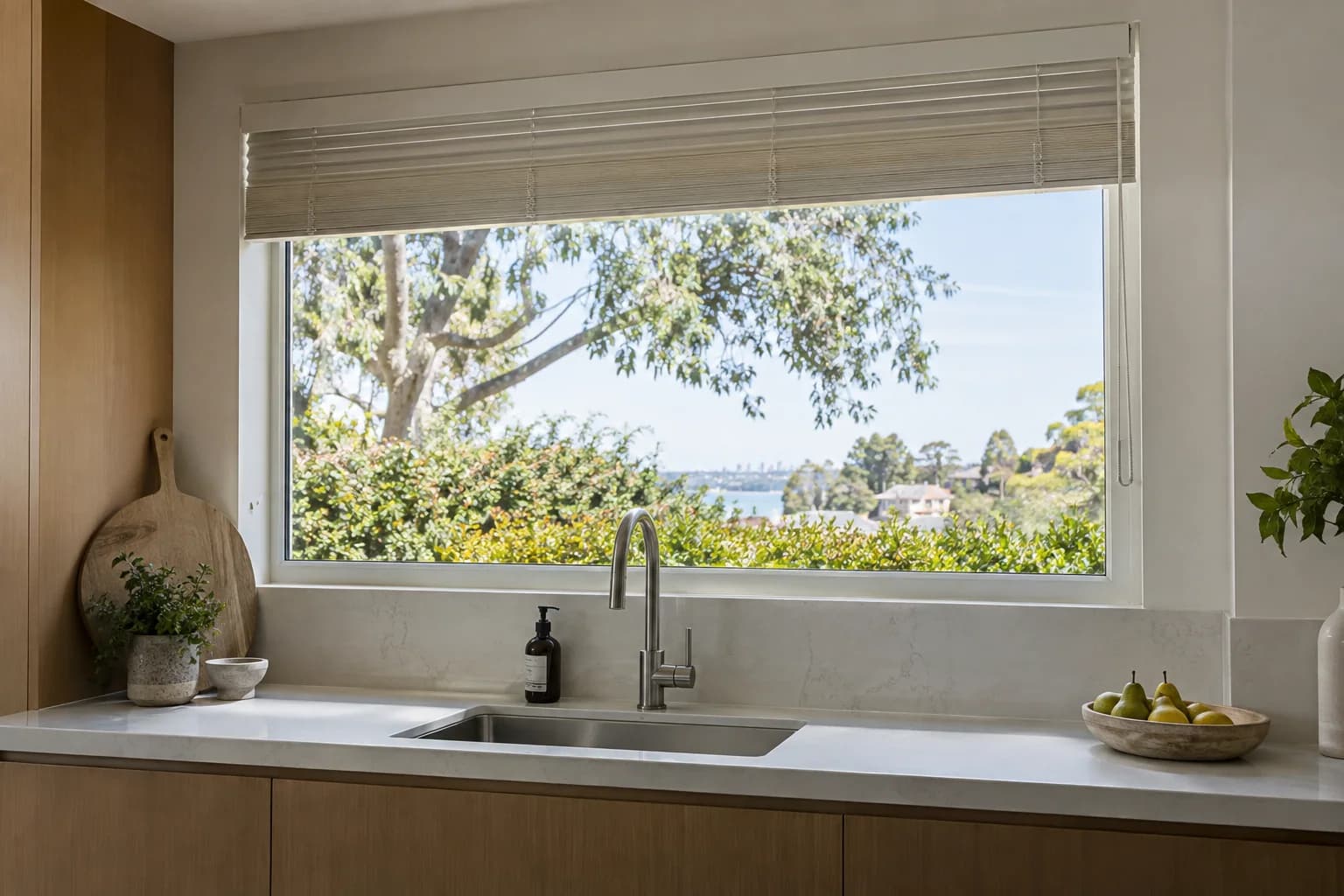
The lifted slats collect below the headrail and occupy glass. Check opening sashes and handles.
Regular gentle dusting is easier than removing heavy build-up. Support slim slats rather than bending them.
Resolve reach, cord management and safe operation before the blind is ordered.
Material selection
CCBD’s published Venetian guidance currently focuses on aluminium systems. Slat width, finish, headrail, cords, ladder support and fixings should be considered together around the opening and expected use.
Aluminium can offer a practical, lighter visual profile, but the selected coating and every operating component still need to suit sunlight, humidity, cleaning and maintenance. We do not describe a complete blind as waterproof or immune to distortion without verified product evidence.
Professional installation
An out-of-level headrail becomes visible across repeated horizontal slats. Installation also checks the raised stack, handle and sash clearance, control reach, child-safety requirements and whether the louvres can tilt without touching the reveal.
In kitchens, laundries and selected bathrooms, the blind should stay clear of direct heat and splash zones and be paired with realistic ventilation and care—not selected from the slat material alone.
Professional judgement
The louvres remain visually present and their gaps do not create a sealed room-darkening surface. Where softness, decorative fabric, strong bedroom darkening or a completely clear raised opening matters more, we would compare a roller, Roman, curtain or shutter.
Moisture and corrosion suitability must be confirmed for the exact slats, cords, headrail, fixings and room conditions. A material name is not a whole-system guarantee.
Blinds knowledge hub
Before you specify
No. Venetian slats tilt and gather beneath a headrail when raised. Shutters use framed panels with adjustable louvres.
Selected systems may suit certain bathrooms, but humidity, ventilation, hardware and fixing conditions need confirmation for the exact product.
They reduce light but gaps between slats and around the blind remain. A dedicated room-darkening system is a stronger starting point for demanding sleep.
Follow the supplied care method. Regular gentle dusting while supporting the slats helps avoid bending and heavy build-up.
The slats form a stack beneath the headrail, reducing the clear glazed area. Stack should be checked against the window height and opening sash.
A conversation, then a considered specification
Bring the room, daylight direction and maintenance expectations. We’ll work through slat scale, fit, stack and material suitability before recommending Venetian blinds.