What matters most in hospitality window furnishings?
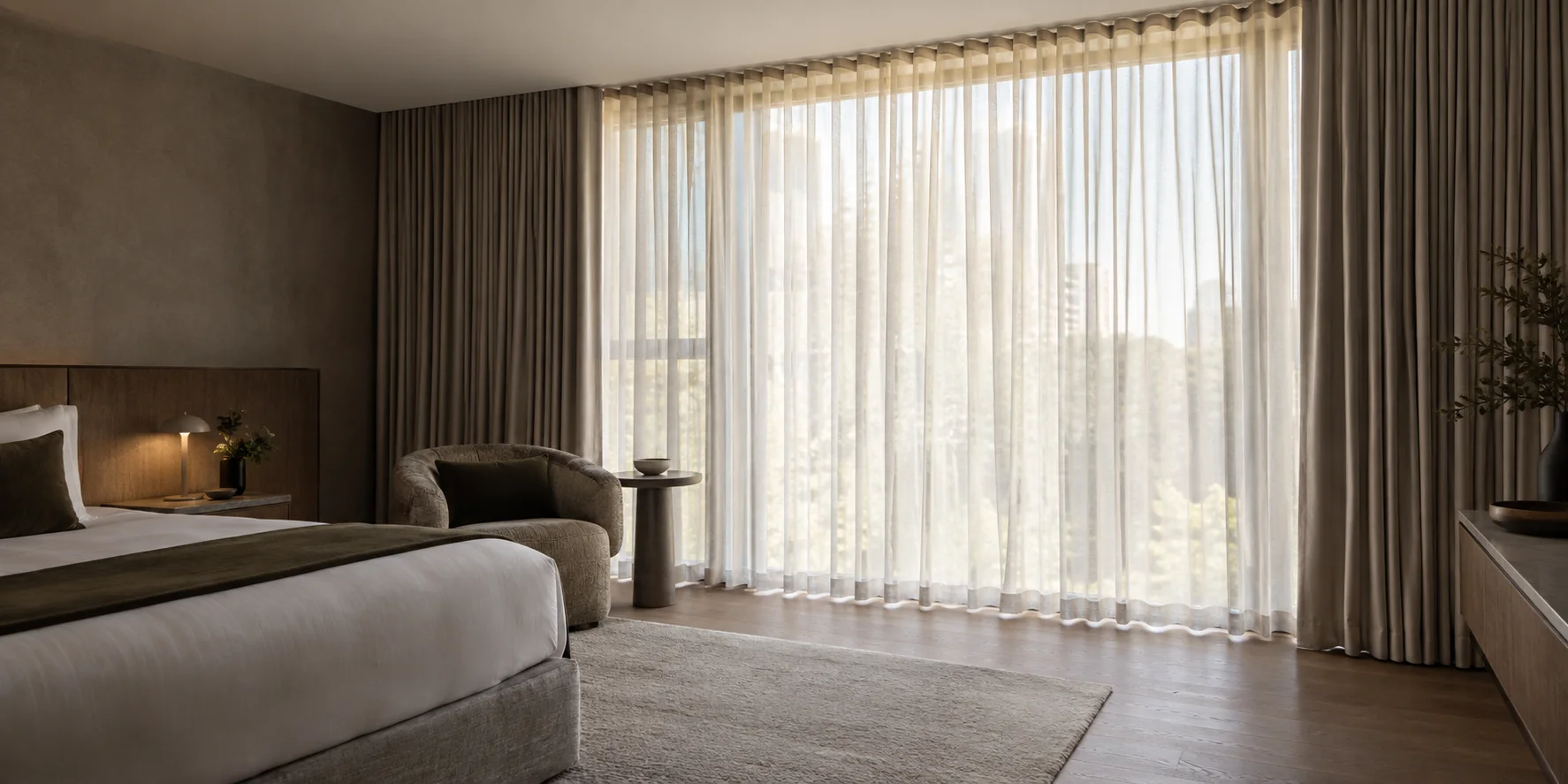
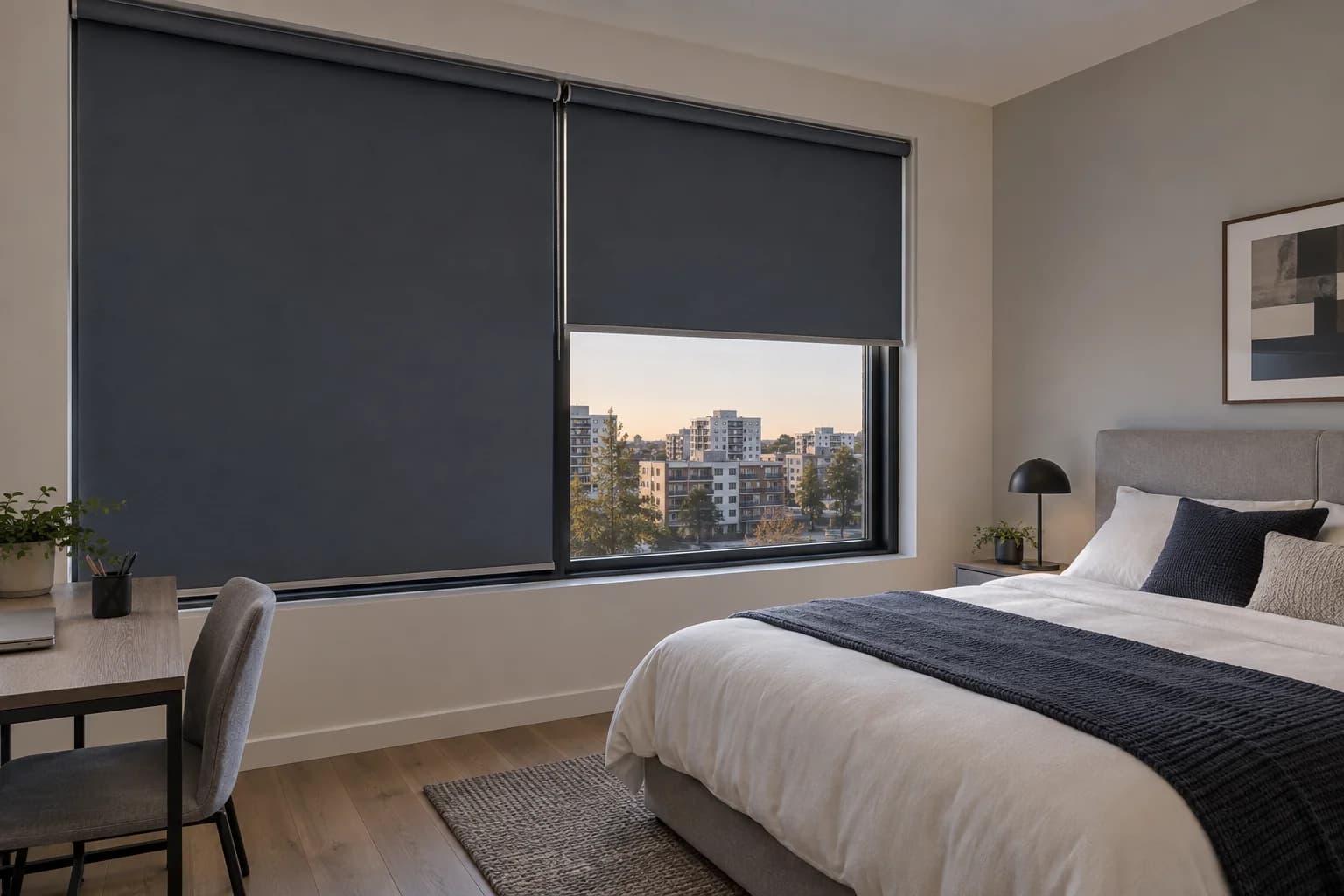
Hospitality window furnishings must balance room darkening, guest privacy, durable daily operation, cleaning, acoustic contribution and a consistent interior language. Layered sheers and lined curtains may solve different moments of the day within the same room.
CCBD reviews track access, returns, centre overlap, bed and furniture positions, control method and replacement practicality. Fire-performance and other project documentation are confirmed for the actual specified materials rather than assumed from a product category.
Review commercial solutions →How do workplace and education requirements differ?
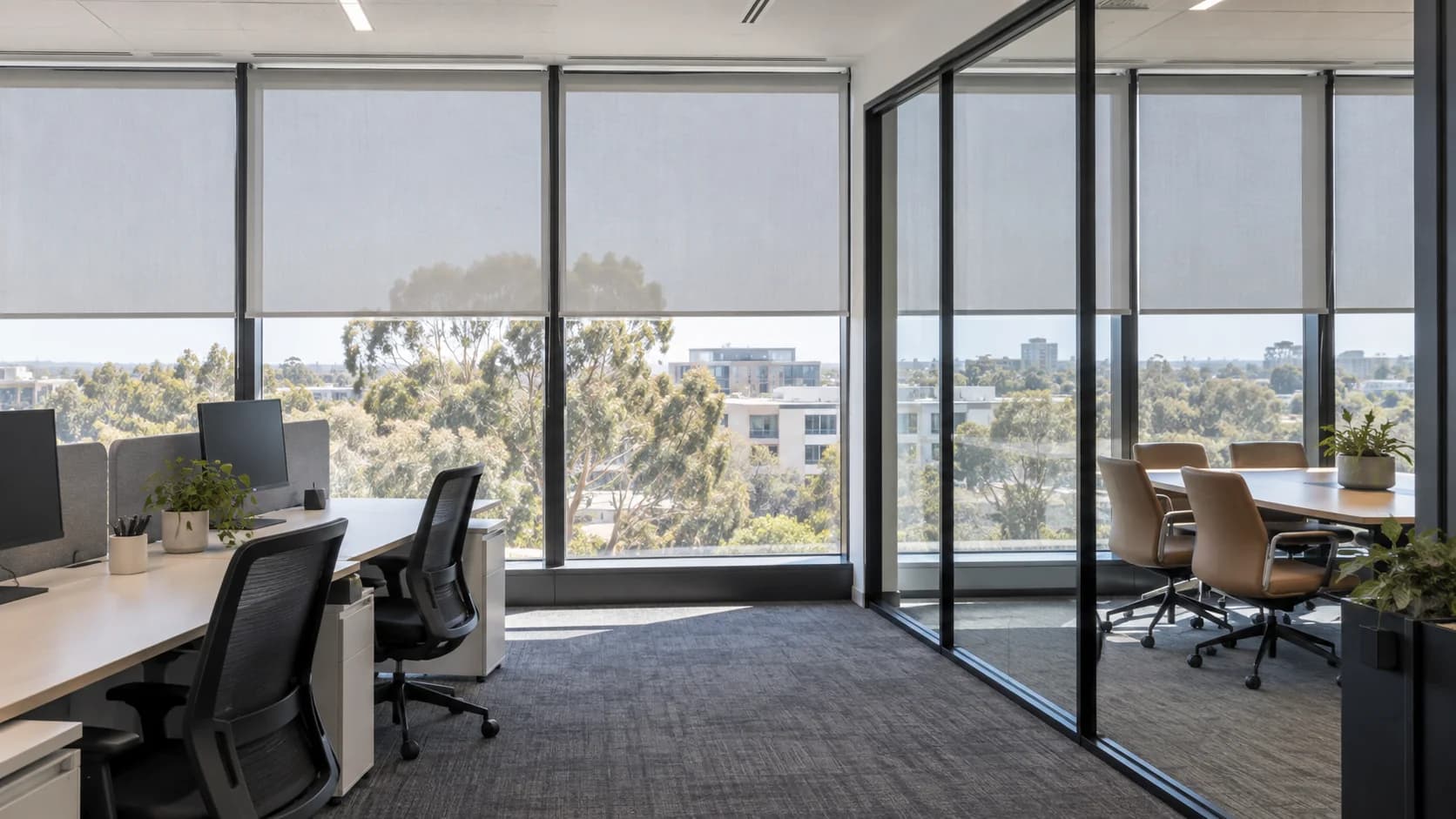
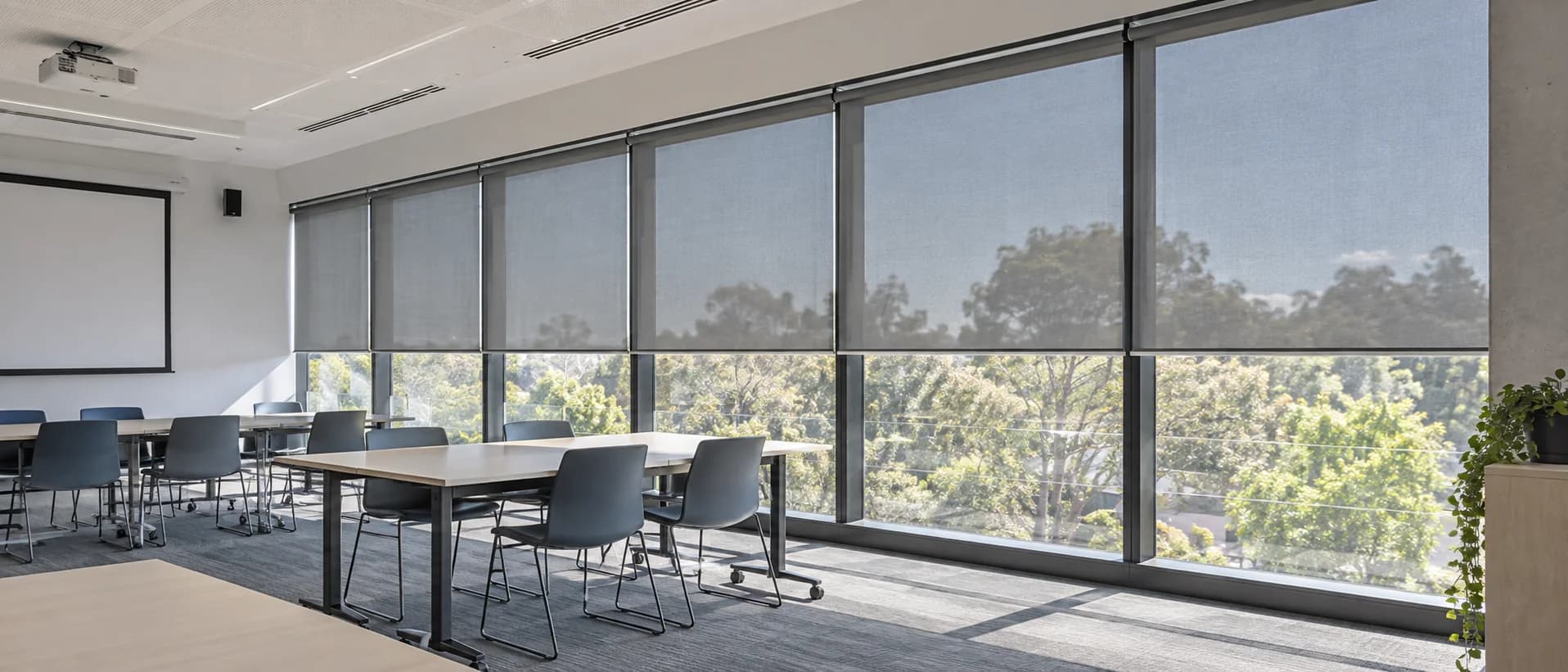
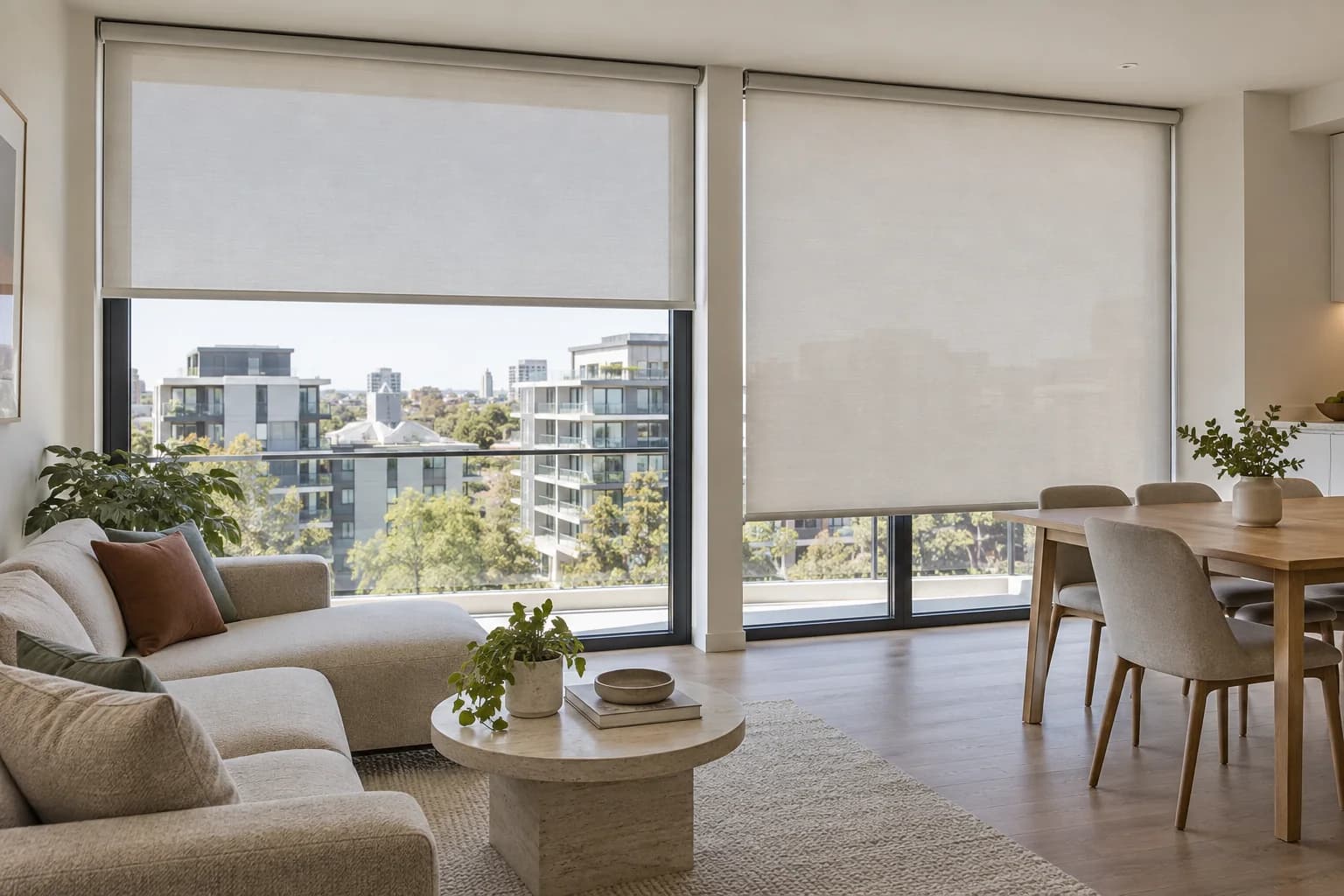
Workplaces often prioritise screen glare, solar exposure, meeting-room privacy and grouped operation, while education settings add robust use, supervision, cleaning and room-specific daylight needs. The same blind fabric should not be assigned automatically to every elevation.
CCBD considers orientation, glazing, occupancy, controls, access and installation timing before selecting roller, motorised or curtain systems. Applicable documentation and final product suitability are confirmed once the project requirement is known.
Review roller blind options →What makes a window treatment suitable for multi-residential projects?
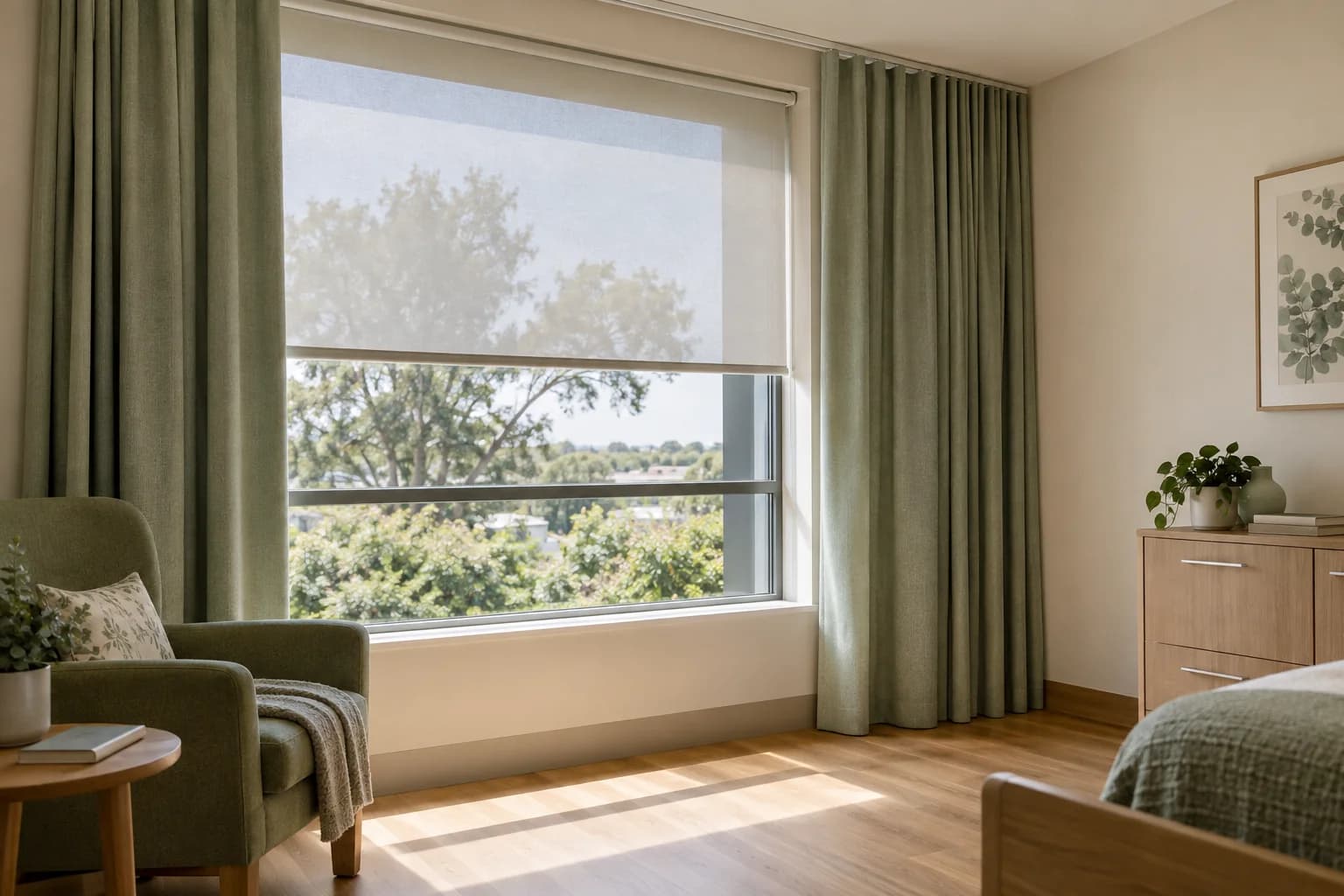
Multi-residential treatments need repeatable detailing without ignoring apartment-specific glazing, handles, doors and privacy. A clear window schedule, consistent fixing approach and rational blind divisions help control installation and future replacement.
CCBD reviews prototype rooms or representative openings before broad ordering where the project permits. Motorisation, blockout expectations, balcony sightlines and handover information should be resolved against the actual product and apartment type.
Explore trade and commercial support →